


 download PDF

Introduction
Inequities in the distribution of health services between urban and rural areas remain a major challenge for health systems worldwide and compromise the effectiveness of public health policies1,2. Although rural populations account for nearly half the world’s population, many communities continue to face substantial barriers to accessing quality health care, largely due to shortages and maldistribution of qualified health professionals3,4. Higher physician-to-population ratios have been associated with lower maternal, infant, and neonatal mortality rates5,6, as well as lower overall morbidity and mortality7,8, underscoring the importance of adequate access to trained health professionals.
This problem affects countries across different socioeconomic contexts. Approximately half of the world’s population resides in rural areas. Yet, these regions are served by only 38% of the global nursing workforce and by less than a quarter of the medical workforce9,10. In Bangladesh, 35% of physicians and 30% of nurses are concentrated in four metropolitan districts that house only 14.5% of the population11. In South Africa, 46% of the population lives in rural areas, whereas only 12% of physicians and 19% of nurses work in these regions12. Similar maldistribution has also been reported in Brazil, where physician density is substantially higher in capital cities (5.07 physicians per 1000 inhabitants) than in rural municipalities (1.28 physicians per 1000 inhabitants)13. Even in higher income settings, such as the US, France, and Canada, shortages of health professionals in remote and rural areas remain a persistent challenge, indicating that rural workforce maldistribution is not restricted to low-resource settings14-16.
Countries across various levels of socioeconomic development have invested in strategies to improve the attraction and retention of qualified physicians in rural areas. According to WHO, these measures include educational strategies, regulatory mechanisms, financial incentives, and personal and professional support14. Countries such as the US, Canada, and Australia have implemented a range of policies, including financial incentives, rural placements and internships, regulatory frameworks, and support strategies, to address physician shortages in rural areas17-22. Some countries, including Bolivia, Ecuador, Indonesia, Peru, and South Africa, have adopted compulsory service programs requiring professionals to serve for 1 to 5 years in government-designated areas, usually in exchange for specific incentives23.
Among these strategies, education has received particular attention because exposure to rural practice during medical training may influence career intentions, future practice location, and students’ understanding of the social and organizational realities of rural health care14,24-27. Rural clinical experiences have been associated with gains in autonomy, the rational use of resources, and greater social accountability in professional training27. At the same time, rural internships face significant structural and contextual challenges, including uneven curricular integration, limited infrastructure, and disparities in access to rural training opportunities28. Students’ and professionals’ backgrounds also appear to shape the relationship between training and future rural practice, since rural origin has been consistently associated with a greater preference for work in rural settings29,30. Because many health professionals practicing in rural areas have urban backgrounds, exposing students to rural clinical experiences during undergraduate education may be an important strategy for strengthening future engagement in underserved communities30,31.
Thus, the relevance of rural internships goes beyond technical training, encompassing educational, professional, social, and public health dimensions. Recognizing this importance, with this scoping review we aimed to identify and synthesize the literature on the educational, professional, and service-related effects of rural medical internships undertaken during undergraduate medical education, including their reported contribution to healthcare delivery in rural communities.
Methods
The present study is a scoping review aimed at comprehensively mapping the literature within a field of interest. This methodology is beneficial for assessing the breadth of existing literature on a specific topic and identifying knowledge gaps. Scoping reviews are characterized by the studies' inclusiveness, allowing for a broad overview of the extent of available evidence32.
The review was conducted following the methodological guidance of the Joanna Briggs Institute. It was structured according to the PRISMA-ScR (Preferred Reporting Items for Systematic reviews and Meta-Analyses extension for Scoping Reviews)33. The protocol for this study was registered on the Open Science Framework platform (https://osf.io/vdupg).
Identifying the research question
This scoping review aimed to identify the available evidence on rural internships undertaken during undergraduate medical education, with particular attention to their educational, professional, and service-related effects, as well as their reported contributions to healthcare delivery in rural communities. From this perspective, the study seeks to enhance the understanding of the evolution of medical education for clinical practice, as well as the role and specific characteristics of rural internships. Two research questions guided this review:
- What evidence is available on the educational and professional effects of rural internships undertaken during undergraduate medical education?
- What evidence is available on the reported contributions of these experiences to healthcare delivery in rural communities, including the perspectives of relevant stakeholders?
The research question was structured using the Population, Concept, and Context mnemonic, by the methodology proposed by Aromataris et al33 (Table 1).
Table 1: Mnemonic used to identify the research question according to the Joanna Briggs Institute methodology, 2024
| Factor | Description |
|---|---|
| Population (P) | Medical students, physicians, or graduates with previous exposure to rural internships during undergraduate medical education, as well as other relevant stakeholders involved in evaluating these experiences, such as supervisors, healthcare team members, patients, or community members |
| Concept (C) | Educational, professional, and service-related effects of rural internships, including learning experiences, career intentions, future rural practice, professional retention, and perceived contributions to healthcare delivery in rural communities |
| Context (C) | Rural internships, clerkships, placements, or equivalent undergraduate medical training experiences conducted in rural, remote, or underserved settings |
Search strategy
To identify relevant studies, the following databases were searched: PubMed, BVS, ERIC, and SciELO. The search strategy employed descriptors from the DeCS/MeSH platform: Medical Internship AND Rural Population AND Medical Education. The search was conducted in May 2024. No date restrictions were applied during study selection. A total of 716 articles were identified across the databases: 311 from PubMed, 402 from BVS, three from ERIC, and none from SciELO.
Study selection
The selection of studies was based on predefined inclusion and exclusion criteria, as detailed in Table 2. Each stage of the selection process was carried out independently by two reviewers, with any disagreements resolved by a third reviewer. A total of 716 articles were initially identified. Of these, 195 were excluded due to duplication. From the remaining records, 451 articles were excluded after title screening and 42 after abstract screening, resulting in 28 articles selected for full-text review. Ultimately, 21 articles were included for analysis in this scoping review, following consensus among the reviewers. Figure 1 presents the flowchart of the methodological process, developed by the PRISMA-ScR guidelines34.
For the included studies, data extraction was conducted using a standardized extraction form developed to align with the objectives of the review. Two reviewers independently extracted and cross-checked the data, and disagreements were resolved through discussion, with a third reviewer involved when necessary. The extracted information included author and year of publication, country of study, study objective, methodological design, participant characteristics, characteristics of the rural internship experience, and the main findings related to professional training, learning experiences, career intentions, future rural practice, professional retention, and reported contributions to health care in rural settings.
Extracted data were synthesized descriptively and organized into thematic categories according to recurrent patterns across the included studies, with attention to career intentions and future rural practice, specialty choice and retention, educational and learning experiences, perceived contributions to healthcare delivery, and structural or contextual challenges.
Table 2: Study inclusion and exclusion criteria
| Criteria | Description |
|---|---|
| Inclusion |
Studies reporting the effects of rural internships on professional training, learning experiences, career intentions, future practice choices, professional retention in rural areas, or perceived contributions to healthcare delivery for rural populations Inclusion of studies without date restriction Studies in Portuguese, English, and Spanish |
| Exclusion |
Inability to extract data from articles and gray literature Editorials, letters, comments, opinion papers, theoretical essays, and texts without empirical data or without relevant analytical description |
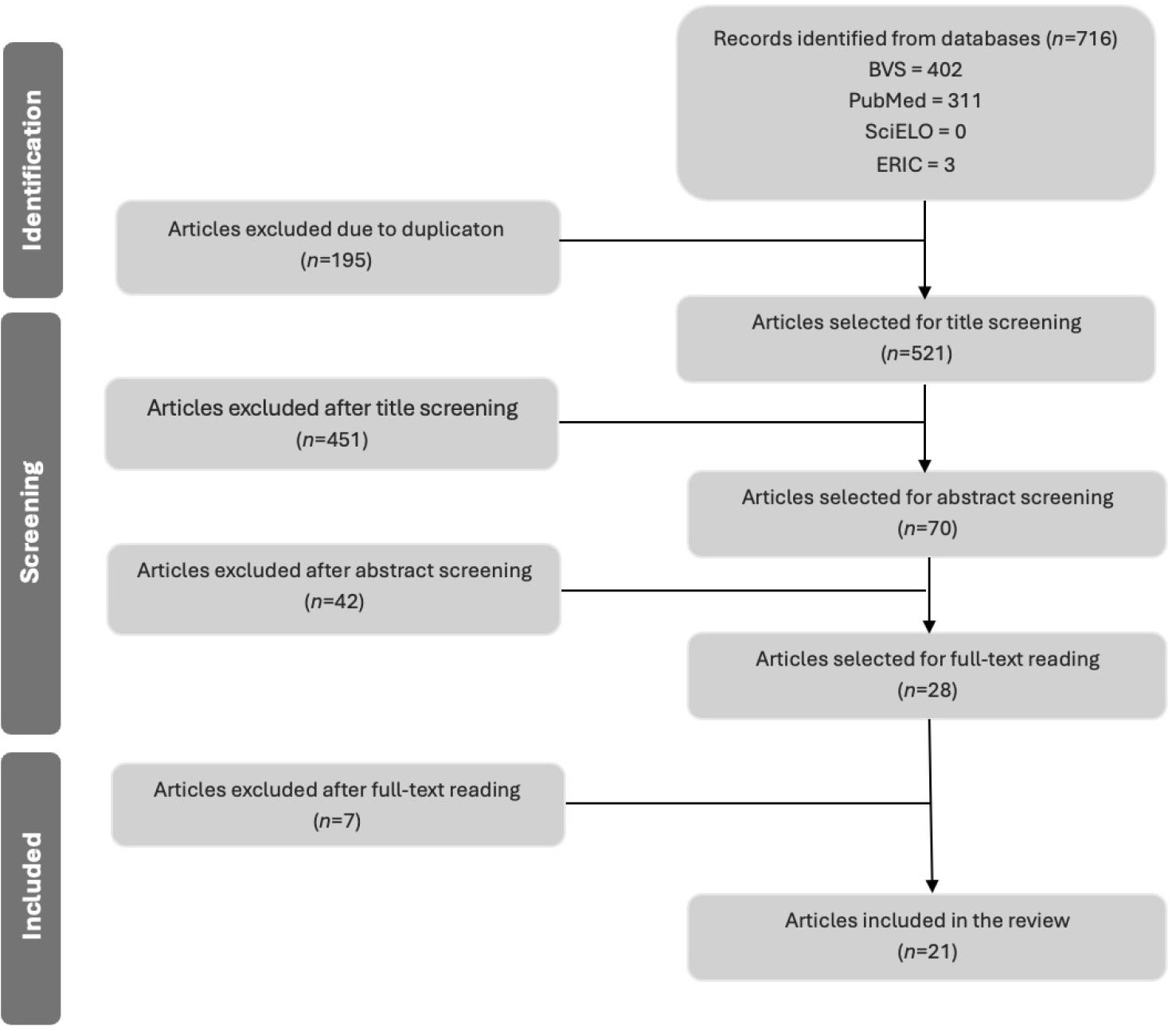 Figure 1: Article selection flowchart (PRISMA-ScR).
Results
The review included 21 studies published between 1990 and 2023, conducted in nine countries. Most articles originated from Australia (48.0%) and the US (23.8%), followed by Canada (9.4%), Brazil (4.7%), Norway (4.7%), Japan (4.7%), and one multi-country study from the Asia-Pacific region (4.7%). Overall, the included studies were geographically concentrated in high-income countries, particularly Australia and the US.
The studies showed methodological diversity, comprising quantitative, qualitative, mixed-methods, case study, descriptive, and scoping review designs. Participants were predominantly undergraduate medical students undertaking rural placements. Some studies included additional informants, such as preceptors, members of the healthcare team, and patients, to explore perceptions of the training experience and its local effects. Across studies, the main areas of focus included the characteristics of rural training experiences, students’ learning and professional development, specialty preferences, intentions for future rural practice, and perceived contributions of these placements to healthcare delivery in rural communities. Table 3 summarizes the main characteristics of the included studies, including the country, design, participants, and principal findings, and provides the basis for the thematic synthesis presented below.
Table 3: Descriptive summary of selected studies24-26,35-52
| Author(s), year | Country | Methodology | Participants | Main findings |
|---|---|---|---|---|
| Andrewartha et al, 202035 | Australia | Qualitative study | 12 medical interns | In 2018, a pilot rural general practice internship program was initiated in Tasmania. The study described the interns’ experiences during the first rotation, including exposure to various clinical contexts and aspects of the learning process. Among the elements mentioned were the diversity of practical activities and challenges related to the distance from peers and the lack of social support networks. |
| Beattie et al, 202324 | Australia | Case study | Nine professionals were involved in the implementation and supervision of the rural internship program, and medical interns | The longitudinal rural internship program was developed to increase students’ exposure to healthcare services in rural settings. Participants described diverse clinical experiences and limitations, including the lack of supervision and challenges in maintaining the program. |
| Clark et al, 201336 | Australia | Quantitative study | 448 medical students | Participation in extended rural internships was associated with a preference for rural positions among medical students, regardless of their geographical background. |
| Easterbrook et al, 199937 | Canada | Quantitative study | 159 physicians | The study analyzed professionals trained at Queen’s University in Canada and found an association between physicians’ rural origin and their future practice in rural areas. |
| Gupta et al, 201338 | Australia | Quantitative study | 292 physicians | Among graduates of James Cook University, professional plans were oriented toward working outside major urban centers. Most of them participated in internships held in rural and remote regions. |
| Isaac et al, 201439 | Australia | Quantitative study | 165 medical students | The study reported that, after one year of participation in Rural Clinical Schools, some students initially interested in urban areas began to prefer working in rural regions. Factors such as rural origin, extended time spent in Rural Clinical Schools, and prior interest in remote area internships were present among those who maintained this choice. |
| Kardonsky et al, 202140 | US | Quantitative study | 142 physicians | Graduates from the Targeted Rural Underserved Track program had a match rate of 29.1% for family medicine residencies. Among those who pursued this specialty, a stated interest in the field was identified as early as their entry into medical school. |
| Mayer, 199041 | US | Experience report | Not applicable | This section highlights the role of Area Health Education Centers as effective strategies for bridging medical schools with rural communities. These regional centers provide education, technical support, and continuing education in underserved areas. |
| Meyers et al, 202042 | USA | Quantitative study | 1791 family medicine residents | The study revealed that physicians who received training in rural areas worked more years in rural settings. Nearly three physicians from non-rural programs would be required to match the rural work years of a physician trained in rural programs. |
| Moores et al, 199843 | Canada | Experience report | Not applicable | The article addressed the challenges of retaining physicians in rural areas of Canada and highlighted three programs at the University of Alberta that successfully expanded medical training in rural contexts. |
| O’Sullivan et al, 201844 | Australia | Scoping review | 26 articles | Rural immersion programs in medicine increase the likelihood of practicing in remote areas by two to four times after graduation, especially among students with rural backgrounds. |
| O’Sullivan et al, 201825 | Australia | Quantitative study | 2412 physicians | The study revealed that longer and more diversified rural immersions significantly increase the retention of physicians in rural areas, regardless of their prior interest. Internships combining hospitals and clinics, rural origin, and entry through alternative pathways were more influential. |
| Peach et al, 200445 | Australia | Quantitative study | 189 medical students | The study compared physicians who interned at the non-metropolitan Ballarat Base Hospital with those who interned in urban hospitals in Victoria, Australia. The results indicated that experiencing rural environments during internships increased the likelihood of future practice in these regions. |
| Putri et al, 202046 | 12 low- and middle-income countries in the Asia-Pacific region. | Scoping review | 71 articles | The review highlighted that educational strategies, such as recruiting students with rural backgrounds and adapting curricula, are effective in increasing physicians’ presence in the Asia-Pacific region’s rural areas. |
| Santos, 201947 | US | Qualitative study | 32 medical students and 12 supervisors | During the internship program, medical students gained an overview of hospital processes and enhanced leadership and mentoring skills. Challenges were identified, such as heavy workloads, excessive learning expectations in short periods, difficulty balancing study and work, instability in schedules, and uncertainty regarding career opportunities and promotions. |
| Smedts et al, 200826 | Australia | Quantitative study | 683 medical students | The study concluded that longer internships, particularly in the third year, significantly increase the likelihood of returning to the internship in the region. |
| Strasser et al, 201048 | Australia | Quantitative study | 223 former medical students | The study analyzed the relationship between the rural origin of medical students from Monash University and their intention to work in rural areas. It was observed that those from rural backgrounds showed a higher initial and final intention to practice in these regions. |
| Straume and Shaw, 201049 | Norway | Quantitative study | 233 medical students in internship | The study showed that the mandatory internship in Finnmark significantly increased the retention of doctors in northern Norway, especially among those locally trained or originating from the region. |
| Takamura and Morimoto, 201850 | Japan | Quantitative study | 1109 patients | The study showed that accepting medical interns was linked to previous positive experiences and the perception of qualities such as kindness and politeness, rather than geographical factors. Fear of errors was the main reason for rejection. |
| Targa and Camargo, 202251 | Brazil | Qualitative–quantitative study | 49 medical students, eight healthcare team members, and four supervising doctors | The rural internship was evaluated as a positive experience in medical education. After the internship, the intention to work outside large urban centers more than doubled. |
| Wendling et al, 202052 | US | Quantitative study | 891 medical students from the urban campus and 208 from the rural campus | Medical students from the rural campuswere more likely to choose primary care residencies, especially in family medicine. The specialization rate after primary care residencies was similar between rural and urban graduates. Women and students from racial minorities were more likely to choose primary care in both groups. |
Discussion
This scoping review indicates that rural internships are associated with important educational and professional outcomes in medical training, particularly regarding career intentions, future rural practice, learning experiences in underserved settings, and perceived contributions to healthcare delivery in rural communities. At the same time, the findings reveal important structural and contextual challenges that may affect the implementation and sustainability of these experiences.
Career intentions and future rural practice
One of the most consistent findings across the included studies was the positive association between rural internships and students’ intention to work in rural or remote areas after graduation. In Brazil, for example, before the rural internship experience, 40.8% of students reported little or no motivation to work outside major urban centers, and this proportion decreased to 6.1% after the internship. At the same time, the proportion of students reporting high or very high motivation increased from 30.6% to 77.5%51. This shift was attributed to direct exposure to generalist practice, stronger connections with the local community, and a more favorable perception of quality of life in rural regions. Even among students from predominantly urban backgrounds, 62.5% reported a greater likelihood of choosing rural practice following the experience51.
In Australia, participation in Rural Clinical Schools and other extended immersion experiences was associated with greater interest in rural careers, including among students who initially preferred metropolitan practice25,36,39,44. Rural Clinical Schools reported that 41% of students who initially preferred metropolitan practice shifted their preference to rural areas after field experience39. At James Cook University, 88% of graduates expressed an intention to practice outside major urban centers, and 46% wished to work in towns with fewer than 100,000 inhabitants38. At the University of Sydney, the proportion of students interested in rural careers decreased from 20.7% at entry to 12.5% at graduation; however, those who completed extended rural internships were three times more likely to prefer rural positions and more than twice as likely to accept them, even compared with rural-origin peers who did not participate in the internship36.
In Canada, rural background and rural clinical exposure during training were both associated with future rural practice37,43. A study of Queen’s University graduates found that physicians from rural communities were 2.3 times more likely to begin practice in remote regions and 2.5 times more likely to remain there37. In the US, targeted rural training tracks such as the Targeted Rural Underserved Track program were also associated with greater entry into specialties relevant to underserved regions40. Together, these findings suggest that rural internships may play a meaningful role in shaping career intentions and encouraging future practice in underserved settings. However, the strength of this association appears to depend on factors such as the duration of rural exposure, prior interest in rural work, and students’ geographic background25,36,37,39,48.
Specialty choice and professional retention
Beyond influencing willingness to work in rural settings, some studies also suggested longer term associations with specialty orientation and professional retention, particularly in contexts involving prolonged rural immersion. The literature reviewed showed that prolonged rural immersion was associated with an increased likelihood of practicing in remote settings after graduation, particularly when placements were longitudinal and integrated into regional hospitals and rural clinics25,26,44.
In Australia, immersion programs lasting more than 2 years increased the likelihood of retention in remote areas by up to 4.4 times25,44. At the Northern Territory Clinical School, students who completed their third year in remote rural areas showed significantly higher return rates than peers with shorter placements26. In Victoria, 46% of interns trained at the non-metropolitan Ballarat Base Hospital later practiced in non-metropolitan clinics, compared with 17% of those trained in urban settings45. In Norway, 45.9% of participants in the mandatory internship in Finnmark accepted their first job in the area, and those of local origin were eight times more likely to remain49.
Some studies also indicated that rural training experiences were associated with greater interest in primary care and generalist career paths, including family medicine, pediatrics, and general practice40,52. In the US, the Targeted Rural Underserved Track program reported a 29.1% rate of graduates entering family medicine, compared with 8.7% among traditional medical students40. A comparative study found that 61.5% of graduates from rural campuses chose primary care residency, compared with 51.3% from urban campuses52. These findings are especially relevant in the context of rural health systems, where shortages of these specialties are particularly pronounced19,46.
At the same time, the review suggests that the relationship between rural training and long-term retention is influenced by multiple factors beyond undergraduate experience, including residency pathways, professional support, and opportunities for continuity in rural practice42,46,48. At Monash University, for example, 71% of students from rural backgrounds expressed an intention to work in rural areas at the beginning of medical school, compared with markedly lower proportions among urban-origin students. This intention persisted through graduation (76% v 28%), and only 20% ultimately began practice in rural settings48. Therefore, while the included studies consistently support a positive influence on career orientation, retention outcomes should be interpreted within a broader workforce and policy context.
Educational and learning experiences in rural settings
The included studies also described rural internships as important educational experiences that broaden students’ understanding of medical practice in socially and geographically underserved settings. Across different contexts, students reported gains in autonomy, clinical responsibility, exposure to diverse practical activities, and closer engagement with primary health care and community-based care24,27,35,47,51. These experiences were often described as more immersive and formative than urban or hospital-centered placements, particularly because they required students to address resource limitations, continuity of care, and the sociocultural dimensions of health in rural communities24,27,35.
In this sense, the review supports the interpretation that rural internships may contribute to dimensions such as adaptability, communication, and resource management. However, these competencies were not uniformly measured as standardized outcomes across the included studies. Rather, they were inferred from broader descriptions of students’ learning experiences, perceptions of autonomy, and exposure to the realities of practice in rural settings24,27,35,47,51. For this reason, claims regarding competency development should be understood as grounded in reported experiential and educational benefits rather than in direct comparative measurement across studies.
Perceived contributions to healthcare delivery and community engagement
Although the included studies primarily focused on educational and professional outcomes, some also pointed to perceived benefits for healthcare delivery in rural communities. Rural internships were described as strengthening connections between medical schools and local health services, increasing students’ familiarity with community health needs, and supporting care delivery in underserved settings41,43,47,50.
At the University of Alberta, Canada, integrated rural health programs provided structured experiences for more than 95% of students, doubled resident participation in rural rotations, and quadrupled the duration of these placements43. Experience reports from the US also highlighted the role of Area Health Education Centers in linking academic institutions with local realities through undergraduate education, continuing education, consulting, and technical support41. In Japan, prior positive experiences with medical interns significantly increased patients’ acceptance of future care provided by interns, and this acceptance was more strongly associated with empathy, cordiality, and perceived technical competence than with geographical location50.
The review identified limited robust evidence on the direct impact of rural internships on objective health outcomes in rural populations. Few included studies systematically assessed outcomes such as service quality, access, continuity of care, and population-level health indicators. Thus, although perceived contributions to care were reported, the available evidence remains insufficient to support stronger causal claims regarding the direct effect of rural internships on rural health outcomes. This gap represents an important area for future research.
Structural and contextual challenges
The review also showed that rural internships are implemented within contexts marked by important structural, institutional, and social challenges. Several studies reported barriers such as limited infrastructure, lack of continuous supervision, insufficient technological resources, transportation difficulties, accommodation problems, and fragile program funding35,42,47,51. Students also described social isolation and reduced access to peer support, factors that may negatively affect both learning and wellbeing during rural placements35. In some settings, difficulties related to maintaining academic integration and balancing service demands with educational expectations were identified47. During one internship program, students reported heavy workloads, excessive learning expectations over short periods, difficulty balancing study and work, unstable schedules, and uncertainty regarding career opportunities and promotion pathways47.
These findings indicate that the value of rural internships should not be considered independently from the conditions under which they are offered. Positive educational and workforce outcomes are more likely when rural placements are supported by adequate supervision, institutional commitment, logistical support, and integration with broader rural workforce development strategies14,40,46. Therefore, strengthening rural internships requires not only curricular inclusion but also sustained investment in the educational and service infrastructure that supports them.
Geographical distribution of the evidence and implications for interpretation
An important aspect of this review is the geographical concentration of the included studies. Of the 21 studies included, 48.0% originated from Australia and 23.8% from the US, followed by Canada (9.4%), Brazil (4.7%), Norway (4.7%), Japan (4.7%), and one multi-country study from the Asia-Pacific region (4.7%). Overall, the included evidence was concentrated in high-income countries, particularly Australia and the US25,36,39-41,44,46. This distribution likely reflects the stronger institutionalization of rural medical education programs and the greater volume of published research in these contexts. However, it also limits the transferability of the findings to other settings, particularly low- and middle-income countries with different health system structures, educational models, and rural workforce challenges.
This concentration should be considered when interpreting the review's results. Although the findings consistently support the relevance of rural internships as a strategy for medical education and workforce distribution, the implementation approaches and observed outcomes may vary across local policies, infrastructure, funding, and professional regulation. For this reason, broader international evidence remains necessary, especially from underrepresented regions.
Overall, this review suggests that rural internships are a relevant strategy for exposing students to underserved settings, strengthening interest in rural careers, and supporting educational experiences aligned with socially accountable medical training. At the same time, the evidence base remains more robust for outcomes related to motivation, career intention, and training experience than for direct effects on healthcare delivery or long-term rural retention. These findings reinforce the importance of rural internships within medical education while also highlighting the need for stronger evaluation designs and broader geographical representation in future research.
Conclusion
This scoping review highlights rural internships as a relevant strategy in medical education, with consistent evidence of positive educational and professional effects associated with undergraduate rural training experiences, particularly regarding greater interest in rural practice, changes in career intentions, and learning experiences related to autonomy, primary health care, and clinical practice in resource-limited settings. Across the included studies, rural placements were associated with broader exposure to the realities of underserved communities and with educational and professional experiences that may strengthen preparedness for work in rural and remote areas.
The review also suggests that rural internships may contribute to healthcare delivery in rural areas by promoting closer engagement between students, health services, and local communities. However, although perceived contributions to care were described, the available literature remains limited in demonstrating direct effects on healthcare delivery or population health outcomes. In this respect, the evidence is more robust for educational and professional outcomes than for measurable impacts on rural health care.
An important finding of this review is that the available evidence is geographically concentrated, particularly in Australia and the US, with more limited representation from other regions. This concentration should be taken into account when assessing the transferability of the findings, as the implementation, support structure, and effects of rural internships may vary across different educational models, health systems, and rural workforce policies.
Overall, the findings reinforce the relevance of rural internships as part of socially accountable medical education and as a potentially important strategy for strengthening the rural health workforce. At the same time, they highlight important gaps in the literature, especially the need for studies from underrepresented contexts and for more robust investigations examining the relationship between rural internships, long-term workforce retention, and concrete contributions to healthcare delivery in rural populations. Advancing this evidence base is essential to support more context-sensitive educational strategies and policies that reduce inequities in access to health care in rural areas.
Funding
We thank the Scientific Initiation Program of Fundação Araucária/SETI/PR for its financial support of this study.
Conflicts of interest
The authors declare that they have no competing or conflicting interests related to this manuscript.
AI disclosure statement
Grammarly and Paperpal (Cactus Communications) were used to assist with the translation and refinement of the manuscript in English. These tools were not used to formulate the research questions or hypotheses, design or conduct the study, collect, analyze, or interpret data, extract data for the literature review, or generate results, figures, or conclusions. The authors carefully reviewed and verified all AI-assisted texts and take full responsibility for the accuracy, integrity, and final content of the manuscript.
References
You might also be interested in:
2020 - Can neonatal pneumothorax be successfully managed in regional Australia?