






 download PDF
Introduction
Pesticides are widely used to protect crops from insects, weeds, fungi, and other pests. The agricultural sector accounts for a substantial proportion of global pesticide consumption and employs more workers than any other industry. As a result, pesticide exposure has been associated with a broad range of adverse health outcomes, including malignant, neurodegenerative, reproductive, developmental, respiratory, and metabolic diseases1-3. Targeted strategies to mitigate pesticide exposure, particularly among frontline users such as farmers and pesticide applicators, therefore remain a public health priority.
Previous research has shown that knowledge and awareness play a crucial role in shaping pesticide use behaviours. Higher levels of knowledge have been associated with lower pesticide application intensity and greater adoption of protective measures4-7. Conversely, inadequate training and limited awareness have been linked to unsafe practices and increased exposure risks.
Pesticide retailers represent a key but often under-recognised group within agricultural health systems. Several studies have demonstrated that the recommendations provided by pesticide sellers directly influence farmers’ decisions regarding product selection, application methods, and safety practices. Interventions targeting pesticide retailers have been shown to improve farmer knowledge and promote safer pesticide handling. However, other evidence suggests that commercial pressures may lead some retailers to recommend higher pesticide doses, potentially undermining safe use practices8-13.
In addition to influencing pesticide users, pesticide retailers themselves are occupationally exposed to pesticides through storage, handling, and sales activities14,15. Studies conducted in different settings have reported elevated biological markers of exposure and self-reported health symptoms among pesticide retail workers compared with the general population. From an occupational health perspective, pesticide retail outlets therefore represent both a point of intervention for reducing downstream exposure and a workplace requiring effective occupational health and safety (OHS) measures.
Efforts to reduce pesticide exposure among agricultural workers and the general population are closely linked to the concept of safety culture. Safety culture refers to the shared values, beliefs, and practices that shape how individuals perceive and manage risks in an occupational setting16,17. A strong safety culture encompasses not only compliance with formal safety regulations but also voluntary behaviours that promote risk prevention, safe practices, and effective communication. Previous research suggests that improvements in safety culture, supported by sustainable management practices, can contribute to reductions in pesticide use and occupational exposure18-20. Within this framework, communication of safety information can be considered a key behavioural expressionof safety culture, particularly in roles that involve direct interaction with end users.
The importance of pesticide retailers in promoting safe pesticide use is also recognised at the policy level. Directive 2009/128/EC of the European Parliament emphasises the training of pesticide users, advisors, and distributors, identifying pesticide sales as a critical point in the distribution chain where users should receive specific advice on human health and environmental protection at the time of sale21.
In Türkiye, pesticides are legally classified as plant protection products, and their prescription, storage, sale, and application are regulated by national legislation22-26. Only authorised professionals are permitted to sell and store these products, and agricultural engineers hold exclusive authority to prescribe them. Consequently, farmers and agricultural workers rely heavily on pesticide retailers for guidance on pesticide use. National studies have confirmed that advice provided by pesticide retailers has a measurable impact on pesticide use practices.
From an occupational health perspective, pesticide sales outlets in Türkiye are classified as hazardous workplaces. Retailers who employ insured workers are legally required to implement OHS measures under national legislation. Strengthening safety awareness among pesticide retailers is therefore essential for not only protecting their own health and that of their employees, but also safeguarding farmers, consumers, and the environment.
Despite pesticide retailers’ central role in pesticide distribution and risk communication, the factors that shape their provision of safety information to buyers remain insufficiently explored. A clearer understanding of how safety behaviour and safety awareness influence information provision at the point of sale is needed to inform interventions aimed at promoting safer pesticide use.
The aim of this study was to assess occupational health and safety awareness among pesticide retailers in Mersin Province, Türkiye, and to examine factors associated with their provision of safety information to buyers during pesticide sales. Specifically, the study addressed the following research questions:
- To what extent do pesticide retailers provide buyers with information on safe pesticide use at the point of sale?
- Are retailers’ safety behaviours and safety awareness associated with their likelihood of providing adequate safety information?
- Do occupational characteristics, such as pesticide application experience and use of personal protective equipment, influence information provision practices?
Methods
Study design and setting
This cross-sectional census study was conducted among retailers of plant protection products registered with the Mersin Provincial Directorate of Agriculture in Türkiye. The study population comprised 435 pesticide sales outlets operated by authorised professionals, including agricultural engineers, technicians, technologists, and chemical engineers, across rural districts of Mersin Province located along the eastern Mediterranean coast.
Rather than selecting a sample, a census of all registered pesticide retailers was undertaken in order to comprehensively assess OHS awareness and information provision practices within the study area.
Study population and data collection
Retailers were informed about the study during meetings organised by the Mersin Provincial Directorate of Agriculture between 2021 and 2022 and were invited to participate voluntarily after providing written informed consent.
The survey was self-administered, completed anonymously, and distributed by the research team. Questionnaires and consent forms were collected separately to ensure confidentiality.
Of the 435 eligible pesticide retailers, 299 agreed to participate. Twenty-four questionnaires were excluded due to incomplete responses, resulting in a final analytical sample of 275 retailers, corresponding to a response rate of 63.2% (Fig1).
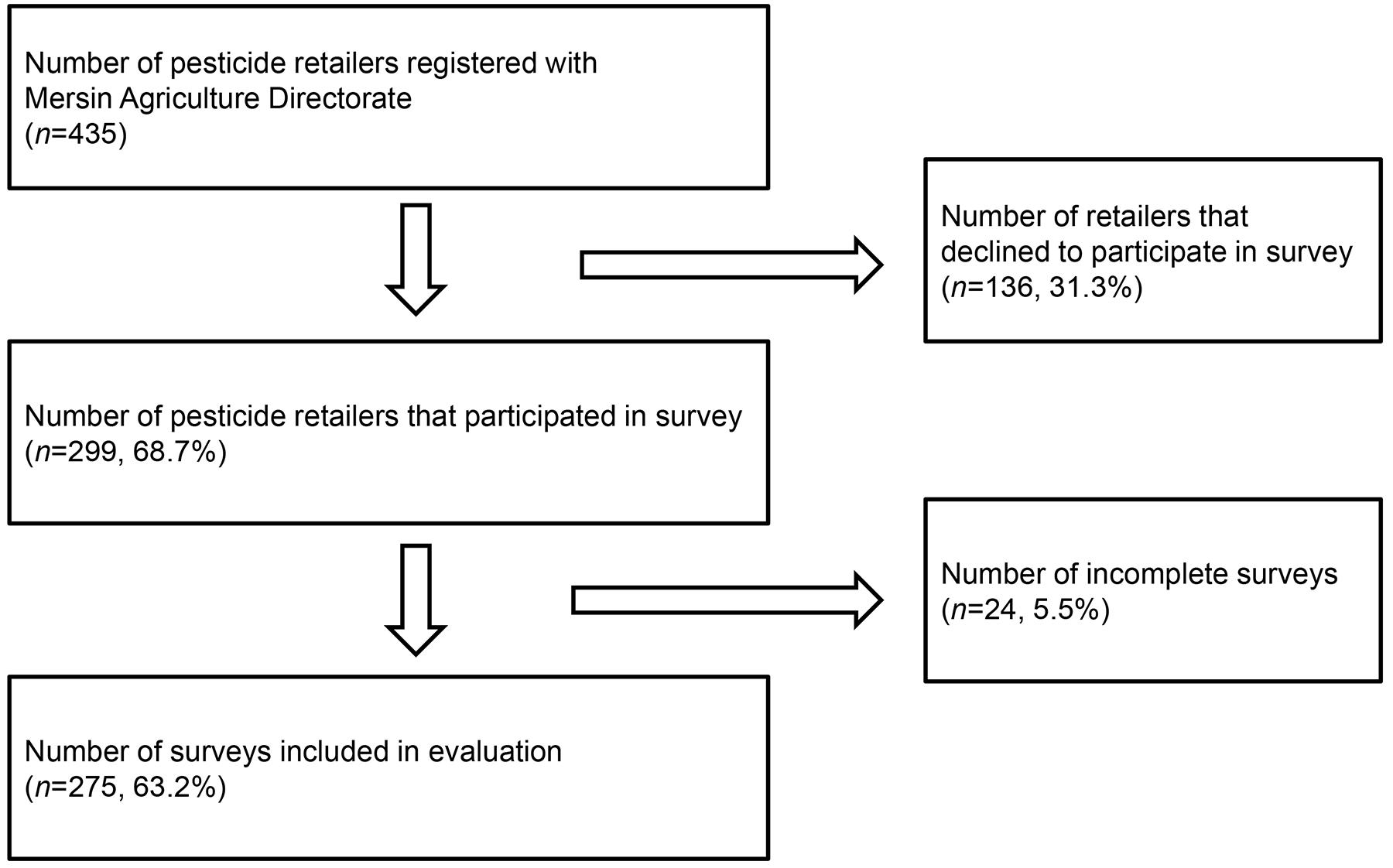 Figure 1: Flow diagram of study data collection process.
Measures
Independent variables
Independent variables included occupational and work-related characteristics considered relevant to pesticide exposure and safety practices. These comprised age, sex, total years of professional experience, pesticide application status, use of personal protective equipment (PPE), knowledge of OHS legislation, and scores on validated safety behaviour and safety awareness scales. These variables were selected based on their theoretical relevance to occupational safety orientation and risk communication practices.
Use of PPE was assessed by asking participants whether they used masks, gloves, protective goggles, and work aprons while handling or being exposed to plant protection products. Each response was scored as 0 (‘never’), 1 (‘sometimes’), 2 (‘often’) or 3 (‘always’). PPE scores were summed to create a composite PPE use score, with higher scores indicating more consistent use.
Safe Behaviour Scale
Safety behaviour was assessed using the Safe Behaviour Scale developed by Neal et al16 and adapted into Turkish by Dursun17. The scale consists of six items across two subdimensions: safety compliance (three items) and safety participation (three items). Responses are rated on a five-point Likert scale ranging from ‘strongly disagree’ (1) to ‘strongly agree’ (5).
Total scores range from 6 to 30, with higher scores indicating stronger engagement in safe behaviours.
Safety Awareness Scale
Safety awareness was measured using the Safety Awareness Scale developed by Lin et al27 and adapted into Turkish by Dursun17. The scale includes five items rated on a five-point Likert scale ranging from ‘strongly disagree’ (1) to ‘strongly agree’ (5).
Total scores range from 5 to 25, with higher scores reflecting greater awareness of occupational safety issues.
Dependent variable: provision of safety information
The dependent variable was the extent to which pesticide retailers reported providing information on safe pesticide use to farmers and agricultural workers during sales transactions.
The definition of safe pesticide use was based on national guidelines issued by the Ministry of National Education28 and the International Labour Organization’s Code of Practice on Safety and Health in Agriculture29. Drawing on these sources, a list of 30 recommended safety measures was compiled.
Participants were asked whether they communicated these safety measures to buyers. Response options were:
- ‘I provide information on all measures.’
- ‘I provide information on more than half of the measures.’
- ‘I provide information on less than half of the measures.’
- ‘I do not provide any information.’
For analytical purposes, responses were dichotomised as follows:
- adequate information provision: providing information on all measures or more than half of the measures
- inadequate information provision: providing information on less than half of the measures or none of the measures.
This dichotomisation was undertaken to distinguish retailers who routinely engage in safety communication from those who provide limited or no safety information at the point of sale.
Statistical analysis
Data entry and analysis were performed using the Statistical Package for the Social Sciences for Windows v23.0 (IBM Corp; https://www.ibm.com/products/spss-statistics).
A two-step analytical approach was used to identify factors associated with adequate provision of safety information. First, univariate logistic regression analyses were conducted to examine associations between independent variables and information provision.
Variables examined in univariate analyses included age, sex, total years of professional experience, pesticide application status, PPE use score, safety behaviour score, and safety awareness score.
Variables assessed in univariate analyses were subsequently entered into a multivariate logistic regression model. Prior to multivariate modelling, correlations among independent variables were examined to assess potential multicollinearity. Safety behaviour and safety awareness scores showed a high degree of correlation; therefore, only one safety-related scale (safety behaviour) was retained in the final multivariate model to ensure model parsimony. Similarly, working time in the profession demonstrated strong correlation with age and was excluded from the multivariate analysis. Adjusted odds ratios (aORs) and 95% confidence intervals (CIs) were calculated. Statistical significance was set at p<0.05.
Ethics approval
Ethical approval for the study was obtained from the Hacettepe University Non-Interventional Clinical Research Ethics Committee (approval date 5 November 2019; reference no GO 19/1094). Participation was voluntary, and all respondents provided written informed consent prior to data collection.
Results
Study population
Of the 435 registered plant protection product retailers in Mersin Province, 299 (68.7%) agreed to participate in the study. Twenty-four questionnaires were excluded due to excessive missing data, resulting in a final analytical sample of 275 retailers, corresponding to a response rate of 63.2%.
The mean age of participants was 43.9 years (standard deviation 10.3; range 25–75 years). Most participants were male (85.1%), and the majority were agricultural engineers (87.3%). The mean duration of professional experience was 16.9 years (standard deviation 9.2) (Table 1).
Table 1: Descriptive characteristics of pesticide retailers, Mersin Province, Türkiye, 2021–2022
| Characteristic† | Variable | n or mean±SD (min, median, max) | % |
|---|---|---|---|
| Sex (n=275) | Male | 234 | 85.1 |
| Female |
41 |
14.9 | |
| Occupation (n=275) | Agricultural engineer | 240 | 87.3 |
| Other (eg agricultural technician) |
37 |
12.7 | |
| Continuous variables | Age (years) (n=264) | 43.9±10.3 (25, 43, 75) | |
| Working time in profession (years) (n=265) |
16.9±9.2 (0.5, 17, 51) |
† Differences in denominators reflect missing responses for individual characteristics.
med, median. min, minimum. SD, standard deviation.
Occupational pesticide exposure and work practices
More than half of the participants (51.3%) reported that they personally applied pesticides, although application frequency was generally low. In addition, 76.8% stated that they were occupationally exposed to pesticides through storage and sales activities in their workplaces.
Use of personal protective equipment
Use of PPE varied substantially among participants. While masks and gloves were used more frequently, protective goggles were rarely used. Only a minority of retailers reported consistent use of all recommended PPE items during pesticide-related activities, particularly for eye protection.
The composite PPE use score indicated considerable inconsistency in protective practices across the study population (Table 2).
Provision of safety information to buyers
When asked about the extent to which they provided information on safe pesticide use during sales transactions, fewer than half of the retailers (47.6%) reported providing adequate information. In contrast, 40.7% reported providing inadequate information, and 11.6% did not respond to this question.
Only 19.3% of participants stated that they provided information on all recommended safety measures, while 34.6% reported covering more than half of the measures.
Occupational health and safety knowledge
Among the retailers included in the study, 65.1% reported employing at least one insured worker, indicating legal employer responsibilities under national occupational health and safety regulations. However, awareness of legal obligations was limited. Nearly half of the participants (49.8%) did not respond to the question assessing knowledge of OHS legislation. Among those who did respond, only 42.0% correctly identified their responsibilities as employers. Overall, only 26.9% of all participants provided the correct answer regarding employer OHS obligations.
Similarly, only 37.5% of respondents correctly identified their workplace as belonging to a hazardous hazard class under national regulations.
Table 2: Occupational pesticide exposure, safety practices, and provision of safety information among pesticide retailers, Mersin Province, Türkiye, 2021–2022
| Characteristic† | Variable | n | % |
|---|---|---|---|
| Pesticide application (n=275) | No | 134 | 48.7 |
| Yes |
141 |
51.3 | |
| Pesticide application frequency (among applicators, n=139) | Several times a year | 77 | 55.4 |
| Several times a month |
48 |
34.5 | |
| Several times a week |
14 |
10.1 | |
| Provision of safety information to buyers (n=243) | All recommended topics | 47 | 19.3 |
| Half or more of the topics |
84 |
34.6 | |
| Less than half of the topics |
86 |
35.4 | |
| None |
26 |
10.7 | |
| Occupational pesticide contact in the workplace (n=272) | Yes | 209 | 76.8 |
| No |
63 |
23.2 | |
| PPE use: mask (n=271) | Never | 64 | 23.6 |
| Sometimes |
103 |
38.0 | |
| Frequently/always |
104 |
38.4 | |
| PPE use: gloves (n=271) | Never | 85 | 31.4 |
| Sometimes |
113 |
41.7 | |
| Frequently/always |
73 |
26.9 | |
| PPE use: goggles (n=271) | Never | 166 | 61.3 |
| Sometimes |
68 |
25.1 | |
| Frequently/always |
37 |
13.7 | |
| PPE use: apron (n=271) | Never | 82 | 30.3 |
| Sometimes |
109 |
40.2 | |
| Frequently/always |
80 |
29.5 |
† Differences in denominators reflect missing responses for individual items. PPE use reflects self-reported practices during pesticide handling, storage, or workplace exposure.
PPE, personal protective equipment.
Factors associated with safety information provision
In univariate logistic regression analyses, higher PPE use scores, higher safety behaviour scores, and higher safety awareness scores were significantly associated with adequate provision of safety information to buyers.
Variables such as age, sex, years of professional experience, and pesticide application status were not significantly associated with information provision.
In the multivariate logistic regression model, PPE use (adjusted odds ratio (aOR) 1.120; 95% confidence interval (CI) 1.014–1.237; p=0.025), safety behaviour score (aOR 1.084; 95%CI 1.013–1.160; p=0.019), and safety awareness score remained independently associated with adequate provision of safety information (Table 3). Due to multicollinearity, safety awareness and working time in the profession were not included in the final multivariate model.
The multivariate model was statistically significant (model χ2=20.969; p=0.001) and explained 11.7% of the variance in information provision behaviour (Nagelkerke’s R²=0.117).
Table 3: Factors associated with provision of safety information to buyers: univariate and multivariate logistic regression analysis.
| Variable |
Univariate analysis OR (95%CI) |
p-value |
Multivariate analysis†¶ OR (95%CI) |
p-value |
|---|---|---|---|---|
| Age (years) | 0.976 (0.951–1.001) | 0.061 | 0.975 (0.948–1.003) | 0.082 |
| Sex (ref: female) | 1.458 (0.722–2.943) | 0.293 | 1.509 (0.706–3.225) | 0.288 |
| Working time in the profession (years) | 0.772 (0.543–1.099) | 0.151 | ||
| Pesticide application (ref: no) | 1.233 (0.744–2.043) | 0.417 | 1.160 (0.658–2.044) | 0.609 |
| PPE use (continuous score) | 1.146 (1.049–1.253) | 0.003 | 1.120 (1.014–1.237) | 0.025* |
| Safe Behaviour Scale (continuous score) | 1.094 (1.029–1.164) | 0.004 | 1.084 (1.013–1.160) | 0.019* |
| Safety Awareness Scale (continuous score) | 1.115 (1.023–1.215) | 0.013 |
*p<0.05, **p<0.01, ***p<0.001.
† Safety awareness and working time in the profession were excluded from the multivariate model due to multicollinearity with safety behaviour and age, respectively
¶ Multivariate model statistics: χ2=20.969; p=0.001; Nagelkerke R2=0.117.
CI, confidence interval. OR, odds ratio. ref, reference value. PPE, personal protective equipment.
Discussion
This study examined occupational health and safety awareness among pesticide retailers in Mersin Province and explored whether safety-related behaviours and awareness were associated with the provision of safe pesticide use information to buyers at the point of sale.
The findings indicate that fewer than half of pesticide retailers reported providing adequate safety information during sales transactions. This gap is particularly concerning given the central role of pesticide retailers as a primary source of technical guidance for farmers and agricultural workers, especially in settings where formal extension services and continuing training opportunities are limited8,12,13,30.
The occupational profile of the study population was relatively homogeneous, with most participants being agricultural engineers with long professional experience. However, conventional characteristics such as age, sex, years of experience, and personal pesticide application were not associated with information provision. This suggests that professional background alone does not ensure effective communication of safety information at the point of sale.
Instead, factors reflecting individual safety orientation emerged as key determinants of information provision. Retailers who reported more consistent use of PPE and higher scores on validated measures of safety behaviour and safety awareness were significantly more likely to provide adequate safety information to buyers. These findings underscore the importance of behavioural and cognitive dimensions of occupational safety in shaping risk communication practices.
Limited awareness of legal OHS responsibilities was observed among pesticide retailers, despite many operating workplaces classified as hazardous under national legislation. This knowledge gap may undermine the implementation of basic OHS measures in retail settings and weaken the institutional basis for safe pesticide handling and communication.
The observed patterns align with the broader concept of safety culture, which encompasses shared values, beliefs, and practices related to risk management and safety within occupational settings16,18-20. Core components of safety culture include safety awareness, safety participation, and consistent engagement in protective behaviours. In this context, the act of informing buyers about safe pesticide use can be conceptualised as an extension of safety participation beyond the retailer’s immediate workplace to the wider agricultural community.
Previous studies from different agricultural contexts have shown that pesticide sellers’ advice can significantly influence farmers’ application practices, sometimes promoting safer behaviours and, in other cases, contributing to excessive or inappropriate pesticide use8-13,30. The present findings add to this literature by suggesting that retailers’ own safety orientation may shape not only how they protect themselves but also how effectively they communicate risk to others.
Although the multivariate model explained a modest proportion of the variance in information provision behaviour, this is not unexpected given the complexity of factors influencing communication at the point of sale. Commercial pressures, regulatory enforcement, workplace norms, and perceptions of buyer receptiveness are likely to interact with individual safety awareness and behaviour, and warrant further investigation.
Taken together, these findings suggest that interventions targeting pesticide retailers should prioritise behavioural and cultural dimensions of safety alongside technical knowledge.
Implications for occupational and environmental health
The findings of this study have several implications for occupational and environmental health practice and policy.
First, pesticide retailers represent a dual-risk group: they are occupationally exposed to pesticides and simultaneously act as gatekeepers of safety information for pesticide users. Strengthening OHS awareness among retailers may therefore yield downstream benefits by improving the quality of information provided to farmers and reducing unsafe pesticide use.
Second, the association between safety behaviour, safety awareness, and information provision suggests that interventions should extend beyond technical training alone. Programmes aimed at pesticide retailers should integrate components that promote safety culture, including risk perception, personal responsibility, and communication skills, alongside regulatory knowledge and safe handling procedures.
Third, limited awareness of employer responsibilities under OHS legislation highlights the need for clearer regulatory guidance, targeted inspections, and supportive institutional mechanisms to ensure compliance within pesticide retail settings.
Finally, interventions targeting pesticide retailers should be recognised as a strategic component of broader efforts to promote sustainable pesticide use, protect agricultural workers, and safeguard environmental and public health.
Limitations
This study has several limitations that should be considered when interpreting the findings.
First, the cross-sectional design limits the ability to draw causal inferences between OHS awareness, safety-related behaviours, and the provision of safety information to buyers. The observed associations therefore reflect correlations rather than directional or causal relationships.
Second, all data were based on self-reported responses, which may have introduced recall bias and social desirability bias. In particular, the extent to which retailers reported providing safety information to buyers is likely to be overestimated, as respondents may have portrayed their practices in a more favourable manner. This potential positive self-response bias cannot be excluded and suggests that the true level of safety information provision at the point of sale may be lower than that reported in this study.
Third, the dependent variable relied on retailers’ perceptions of the information they provided, rather than on direct observation of sales interactions or verification of whether buyers understood or acted upon the information received. Consequently, the findings reflect reported communication practices rather than objectively measured risk communication effectiveness.
Fourth, the study was conducted in a single province in Türkiye. Although a census of registered pesticide retailers was undertaken within this setting, the findings may not be fully generalisable to other regions with different agricultural practices, regulatory enforcement levels, or training systems.
Finally, while the multivariate model identified safety behaviour and safety awareness as significant correlates of information provision, a substantial proportion of variance remained unexplained. This suggests that additional factors – such as commercial incentives, organisational norms, time pressures during sales, and perceived expectations of buyers – may also influence retailers’ communication practices and should be explored in future research.
Despite these limitations, this study provides context-specific evidence on the role of pesticide retailers in occupational health and risk communication, and highlights important opportunities for intervention at the point of sale.
Conclusion
This study highlights important gaps in OHS awareness and safety information provision among pesticide retailers in Türkiye. Despite retailers’ central role in pesticide distribution and risk communication, fewer than half reported providing adequate information on safe pesticide use to buyers at the point of sale.
The findings indicate that the provision of safety information is more closely associated with individual safety behaviour and safety awareness than with professional background or years of experience. This suggests that improving pesticide safety cannot rely solely on formal qualifications or technical knowledge, but requires strengthening the underlying safety culture within pesticide retail settings.
Pesticide retailers occupy a strategic position at the interface between regulation and practice. Interventions that enhance OHS awareness, promote consistent use of personal protective equipment, and support effective risk communication may yield benefits that extend beyond retailers themselves to farmers, consumers, and the wider environment.
Integrating structured OHS training, clear guidance on employer responsibilities, and supportive regulatory oversight into pesticide retail systems may contribute to safer pesticide use and more sustainable agricultural practices. Addressing safety at the point of sale should therefore be recognised as a key component of comprehensive strategies to reduce pesticide-related health and environmental risks.
Acknowledgements
The authors wish to thank the Mersin Provincial Directorate of Agriculture for their assistance in facilitating contact with plant protection product retailers during the data collection phase.
The authors gratefully acknowledge the Yenile-İSG Project (project no 121N706), funded by TÜBİTAK-NARD 2530, for supporting capacity-building activities related to the legislative framework of this research topic.
Funding
This research did not receive any specific grants from funding agencies in the public, commercial, or not-for-profit sectors, and was self-funded by the authors. However, subsequent capacity-building activities related to the legislative framework of the research topic were supported by the Yenile-İSG Project (project no 121N706), funded by TÜBİTAK-NARD 2530, which the authors gratefully acknowledge.
Conflicts of interest
The authors declare no conflicts of interest.
AI disclosure statement
During manuscript preparation, ChatGPT (OpenAI) was used in a limited editorial support role to assist with language refinement and improvement of clarity. The tool was not used for study design, data collection, data analysis, interpretation of findings, or generation of data or images. All content was reviewed and approved by the authors, who take full responsibility for the manuscript.
Data availability
Data are available from the authors upon reasonable request.