Original Research
Medical students' attitudes towards rural practice post-rural placement: a 10-year national survey
AUTHORS

Tracy Macfarlene1 MPsych, Lecturer

Janani Pinidiyapathirage2 PhD, Associate Professor 

Zelda Doyle3 PhD, Rural Epidemiologist
Siyakholwa Siziba4 Bachelor of Clinical Science (Medicine)
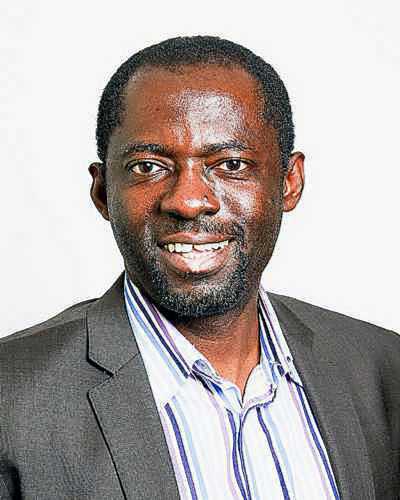
Uchechukwu Levi Osuagwu1,5 PhD, Associate Professor and Academic Lead *
AFFILIATIONS
1 Bathurst Rural Clinical School (BRCS), School of Medicine, Western Sydney University, Bathurst, NSW 2795, Australia
2 Rural Medical Education Australia, Toowoomba, Qld 4350, Australia
3 Rural Clinical School, The University of Notre Dame, Lithgow, NSW 2790, Australia
4 School of Medicine, Western Sydney University, Campbelltown, NSW 2560, Australia
5 African Vision Research Institute, School of Optometry, University of KwaZulu Natal, Durban, South Africa
ACCEPTED: 16 June 2026
Early Abstract:
Purpose: Rural and remote communities in Australia continue to face challenges in attracting and retaining doctors, highlighting the need for medical graduates who feel confident and motivated to practice rurally. This study explored medical students’ emotional responses to future rural practice after completing a Rural Clinical School (RCS) placement and identified demographic and placement factors associated with both anxiety and positive attitudes.
Methods: This retrospective, cross-sectional study analysed data from 6,371 medical students who completed RCS placements between 2013 and 2022, using responses from the Federation of Rural Australian Medical Educators (FRAME) survey. Feelings were assessed using Likert scale responses to statements about experiencing anxiety (a 'sinking feeling') and positive attitudes toward rural work. Associations with sociodemographic characteristics and placement experiences were examined using Chi-square tests and multinomial logistic regression.
Results: Most students (76%) did not report anxious feelings, while 68% expressed positive feelings about future rural practice. Males were more likely than females to report neutral feelings toward rural practice regarding anxiety (OR=1.23, 95% CI: 1.04–1.45). International fee-paying students had significantly higher odds of reporting both neutral (OR=1.95, 95% CI: 1.28–2.98) and anxious feelings (OR=2.41, 95% CI: 1.46–3.98). Students with rural backgrounds were less likely to report neutral feelings (OR=0.75, 95% CI: 0.60–0.94) and more likely to express positive feelings. Having a rural-based mentor was associated with lower odds of anxiety and higher odds of positive feelings. Students who identified rural generalism as a career aspiration were more likely to report positive feelings than those who preferred a specialist career.
Conclusion: RCS placements were associated with positive feelings and confidence in rural practice among medical students. However, specific student groups, such as international students, remain more apprehensive. Mentorship was identified as a significant modifiable factor associated with reduced anxiety and higher rural positivity, suggesting that structured mentorship programs could nurture a commitment to rural. In addition, a rural background was strongly associated with positive sentiment towards rural practice. Targeted recruitment and supported pathways to expand the proportion of rural-origin students in medical programs could therefore amplify the pipeline of doctors in the rural workforce.
Keywords: Medical students, Rural Clinical Schools, Rural health, Rural intent, Rural practice, Mentorship.