Original Research
Rural healthcare providers’ attitudes on climate change in the Northwestern US
AUTHORS

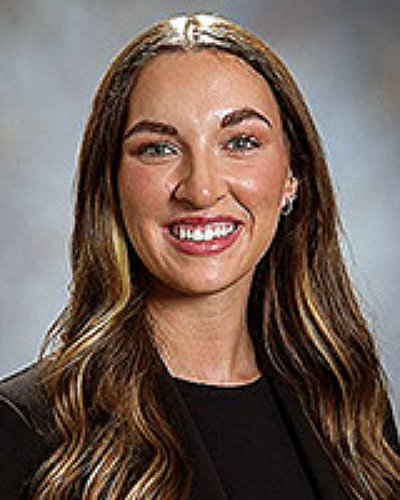
Cassidy Eckman1 BSc, Medical Student, year 2 * 

AFFILIATIONS
1 Office of Rural Programs, School of Medicine, University of Washington, Seattle, WA, United States
ACCEPTED: 4 June 2026
Early Abstract:
Background: Climate change is a growing source of concern for rural public health. Despite rural healthcare providers’ vital role in promoting community resilience, it is not well understood what their views are on climate change and its impacts on their patients’ health.
Methods: Using a 39-question online survey, opinion data were collected from rural providers in 5 states throughout the Northwest United States, aiming to understand the multifaceted perceptions rural providers have of climate change and its patient-level impacts. Data was aggregated and stratified by variables of interest. Broad trends and effects from demographic variables were modeled using ANOVA analyses and graphical representations, as well as a random forest model.
Results: 115 providers responded to the survey (7 were dropped per exclusion criteria) with comparable populations across several states, age groups, and professions. Nearly all providers believed that climate change is occurring, and most felt that it is impacting patients’ health, yet many were unsure of their ability to integrate climate consciousness into clinical practice. Interest in the clinical relevance of climate change was best explained by provider political affiliation and education level. Random forest modeling also suggests effects due to age, tenure, and state of residence, which are masked by confounding factors in the other models.
Conclusions: These findings suggest that some providers struggle to make connections between changes in climate and community health outcomes, while others lack the resources and preparation to integrate what they do know into clinical practice. Bridging this gap will likely require institutional investment in continuing education.