


 download PDF
Introduction
Developmental disabilities are a group of conditions, typically lifelong, resulting from impairments in physical, learning, language, or behavioral areas1. These disabilities represent a large category of conditions, including those related to neurodevelopmental issues (eg learning disabilities, autism spectrum disorders, intellectual disabilities) and sensory conditions (eg blindness and hearing loss)2. As of 2019, approximately 317 million children and adolescents worldwide were living with health conditions that contribute to developmental disabilities3. Health conditions such as low birthweight, premature birth, multiple birth, and infections during pregnancy are associated with an increased risk of many developmental disabilities. In addition, untreated newborn jaundice can cause brain damage4.
Currently, over 53 million children aged under 5 years worldwide have a developmental disability that requires effective interventions5. Globally, the needs of children with developmental disabilities have often been overlooked in health systems planning and policy provision. These children frequently face stigma, are segregated in institutions, encounter barriers to accessing health care, and experience inequalities in health and educational outcomes3. UN Sustainable Developmental Goal 3 calls for healthy lives and wellbeing for all, including children with developmental disabilities. However, access to healthcare services remains a challenge for this group, who are more than three times as likely to go without needed care6.
Parents and families of children with developmental disabilities navigate extremely complex health, education, and social systems previously unfamiliar to them to secure a safe and supportive environment for their children7. Negative attitudes, poverty, inadequately trained healthcare professionals, and physical inaccessibility of health facilities are frequently reported as significant barriers to healthcare access for children with disabilities in low- and middle-income Sub-Saharan African countries8. In addition, caregivers experience difficulties in accessing information and services for children with disabilities and are dissatisfied with the support they receive from the health system9. They face a host of additional needs, including costly medical tests, specialized treatment and therapies7, which places a substantial financial burden on families. These economic pressures are further compounded by transport costs associated with repeated referrals and long travel distances to specialized facilities, which add to the overall burden and often determine whether children access timely care10. In addition, caregivers often contend with emotional and social pressures. These challenges are particularly acute for single mothers, who often face stigma and limited social support11. These factors can adversely affect parents’ mental health12 and alter family dynamics.
In the Kenyan context, where disability is still widely seen as a curse or punishment, and where traditional healers often claim to offer cures, caregivers face additional barriers. For example, long distances to healthcare facilities, perceived discrimination, lack of physiotherapist services, and inadequate scheduling of appointments were identified as among the key factors contributing to poor healthcare accessibility in Wajir County, Kenya, with transport costs further intensifying these barriers, particularly for families in rural and remote areas10. A greater proportion of school-age children with developmental disabilities do not attend school compared to those with no reported disability, a gap that is especially pronounced in rural areas of Kenya13.
Sustained efforts in public education, policy reform, and community engagement are needed to move beyond dominant medical and moral (religious or cultural) models, which locate the problem within the child or the family. From a social model perspective, disability is understood not as an individual deficit but as a socially produced injustice – one that can be challenged and dismantled through social changes14. In this view, barriers in the environment, rather than impairments themselves, are what disable. For many caregivers, social relationships within and beyond the home, and access to support from family or community-based organizations, significantly shape treatment-seeking decisions15. These networks help with advice, mobilizing funds, and sharing caregiving tasks, all of which are essential for sustaining care16.
Kenya’s health system was restructured under the 2010 Constitution, devolving service delivery and human resource management to 47 semi-autonomous county governments, with the national Ministry of Health retaining policy and regulatory functions while counties are responsible for implementation and healthcare provision17. Care is structured across primary, secondary, and tertiary levels, but access to specialized services such as rehabilitation and disability-focused care remains limited, particularly in rural and low-resource settings18. These gaps often shift the burden of long-term care to families and informal community networks, making it critical to understand how caregivers navigate care for children with disabilities within this system. Parents’ lived experiences can provide insights into local conceptualizations of developmental disabilities, challenges children and their families face, and their needs. Limited studies in low-resourced settings focus on understanding primary caregivers' experiences regarding health care in rural settings. Therefore, this article examines how primary caregivers of children with developmental disabilities navigate healthcare systems in rural Kenya. Such insights are important in understanding the broader implications of health provision in these settings and the potential for interventions that could enhance health provision for children with developmental disabilities.
Methods
Study design, setting, and population
The present study used data from a cross-sectional study conducted in Siaya County in Western Kenya19. The main cross-sectional study aimed to establish the status of nurturing care for young children with developmental disabilities. Whereas the main study collected data on the five components of nurturing care, the analysis of the current article focuses on the health component. The present study employed a phenomenological qualitative approach, as it sought to explore and understand the lived experiences and subjective meanings that primary caregivers attribute to navigating healthcare systems for their children with developmental disabilities.
Siaya County, the study site, is predominantly rural. Health care in the county is organized within Kenya's devolved health system, under which county governments assumed responsibility for health service delivery following the promulgation of the 2010 Constitution17. Health care is delivered through community units, dispensaries, health centres, and subcounty/county hospitals. While primary care facilities provide preventive, maternal, and basic outpatient services, referral hospitals offer more advanced diagnostic and inpatient care. Specialized services for developmental disabilities, including rehabilitation, remain scarce and are often concentrated in higher-level facilities or outside the county18. This local context shaped caregivers’ care-seeking pathways and influenced the types of facilities they accessed.
Primary caregivers (16 mothers and 3 grandmothers) of children aged 0–5 years who had at least one of the five main developmental disabilities (attention-deficit/hyperactivity disorder (ADHD), autism spectrum disorder (ASD), intellectual disability, motor disorders and learning disabilities) were invited for the in-depth interviews (IDIs). Caregivers were eligible if they were the primary caregiver of the child, resided in Siaya County, and were willing to provide informed consent. Caregivers were excluded if they had a known cognitive condition that would impair their ability to participate meaningfully in the interview, were not the primary caregiver of the child, or if the child did not meet the age and diagnostic criteria. The sample size (N=19) was based on the point of data saturation. After each interview, transcripts and field notes were reviewed to identify emerging themes. Between the 16th and 19th interviews, no new themes emerged and responses largely repeated previously identified patterns, which was considered a sign of data saturation20.
Children aged 0–5 years were chosen as this is the critical age for rapid physical, social, and cognitive development. For this study, caregivers of children with developmental disabilities were identified from the health facility's records with the support of community health workers for the IDIs. They were chosen because they were deemed experienced in providing detailed insights into caregivers' challenges when seeking health services for their children with disabilities.
Data collection procedures
Guide development drew on the study objectives, relevant literature, and team consultations to ensure cultural appropriateness and conceptual clarity. We developed open-ended interview guides for IDIs with the mothers based on the objective of this segment of the study: to examine how primary caregivers of children with developmental disabilities navigate healthcare systems in rural Kenya. The guides were developed in English but later translated into the local language (Dholuo) by a professional translator. The team then piloted the guides with two primary caregivers of children with developmental disabilities in a similar community setting who were not included in the final sample, to assess clarity, cultural relevance, flow of the questions, and ethical protocols. A debrief session was conducted with the pilot study participants, and insights from the pilot informed refinements to question wording, sequencing, and probing techniques, which were incorporated into the final tools to further refine them. See Appendix I for the IDI guide.
All IDIs were conducted in private rooms in the health facilities for confidentiality and to avoid disruptions. The research team conducted the interviews in Dholuo or English, depending on participant preference. Each IDI with primary caregivers lasted approximately 60 minutes. Participants were informed about the research procedures, including expected duration, well before the commencement of the interviews. All the IDIs were conducted face-to-face and were audio-recorded. The recordings were reviewed to ensure they were complete, accurate, and met the required quality standards.
Data management and analysis
The qualitative data from the IDIs underwent transcription and translation by a qualified transcriber/translator. Then, the content was hand-coded and organized into themes. This coding process utilized an inductive thematic analysis approach, guided by Thomas’ general inductive approach21, to systematically identify and extract emerging themes from the interview data. Each transcript was read repeatedly to identify meaningful segments of text, which were assigned initial codes. Similar codes were grouped into broader categories and iteratively refined into themes through constant comparison across transcripts, with analytical memos tracking emerging patterns and interpretations.
The social model of disability shaped how the research team interpreted caregivers' narratives – not as individual shortcomings but as experiences produced by structural, social, and healthcare system barriers. This analytical lens informed the coding process and theme development, ensuring that identified challenges were situated within systemic rather than individual frames.
Reflexivity and positionality were addressed throughout the study. The research team comprised MSR (research officer, inclusive education), SO (postdoctoral research scientist, public health and early childhood development), AK (associate research scientist, disability studies and inclusion), and ESM (research officer, early childhood education). All authors are parents and thus have caregiving experience, although not specifically for children with developmental disabilities. The team’s professional training and experiences, combined with parental perspectives, may have influenced data interpretation. To mitigate potential bias and enhance trustworthiness, reflective field notes were maintained, and regular peer debriefings were conducted to ensure that coding and theme development remained grounded in participant perspectives20.
All transcripts were anonymized and stored on password-protected, encrypted devices, with access restricted to the research team. Data were securely stored in line with institutional policies. This process ensured that the final themes were grounded in participants’ emic perspectives and aligned with the study objectives.
Extracted quotes used in this article identify both the field interviewer (F) and mother/grandmother (M) interviewee code numbers.
Ethics approval
Prior to conducting the study, ethics approval was obtained from Amref Health Africa Ethics and Scientific Review Committee (P1445-2023). The research team was trained on protocols and principles for safeguarding the rights, safety, wellbeing, privacy, and confidentiality of human research participants. Informed consent was sought from all study participants. The information sheet was read in the local language to those who could not read, and they were asked to provide a thumbprint to signify their consent. Those who could read appended their signatures after reading the information sheet. Only the participants who consented to the data collection were interviewed. All IDIs were audio-recorded after the participants' consent. All interviews were collected in privacy and treated with confidentiality.
Results
Participant characteristics
Table 1 describes the sociodemographic characteristics of the primary caregivers. We interviewed 19 participants (16 mothers and 3 grandmothers) of the children with developmental disabilities. Our findings are organized into four interrelated themes developed through an iterative inductive coding process: caregivers’ explanatory models of disability and their influence on care-seeking, structural barriers in healthcare access and quality, the multidimensional burden of caregiving (emotional, physical, and economic), and community and institutional support mechanisms, as summarized in Table 2. A conceptual model illustrating the relationships between themes is presented in Figure 1.
Table 1: Sociodemographic characteristics of caregivers and children (N=19)
| Characteristic | Variable | n (%)/mean±SD |
|---|---|---|
| Caregiver relationship to child | Mother† | 16 (84.2) |
| Grandmother† |
3 (15.8) |
|
| Caregiver age (years) | 38±10.5 | |
| Caregiver education | Primary education | 9 (47.4) |
| Secondary and above |
8 (42.1) |
|
| College |
2 (10.5) |
|
| Caregiver employment status | No employment | 4 (21.0) |
| Informal employment (farming, casual laborer) |
14 (73.7) |
|
| Formal employment |
1 (5.3) |
|
| Caregiver marital status | Married | 11 (57.9) |
| Not married (eg separated, widowed) |
8 (42.1) |
|
| Complication(s) during pregnancy | Yes | 5 (26.3) |
| No |
14 (73.7) |
|
| Number of children |
|
3.2±1.6 |
| Child sex | Female | 6 (31.6) |
| Male |
13 (68.4) |
|
| Child age (months) |
|
39.8±29.96 |
† Participants F3-M002 and F5-M003 quoted in this article are grandmothers; all other quoted participants are mothers.
Table 2: Summary of themes and subthemes
| Theme | Subthemes |
|---|---|
| Caregivers’ explanatory models of disability and their influence on care-seeking |
Perceived links between disability and premature birth/prolonged labor Pregnancy complications (high blood pressure, anemia, bleeding) Psychosocial stress (family conflict, separation, food insecurity) Delayed initiation of antenatal/maternity clinic attendance |
| Structural barriers in healthcare access and quality |
High cost of care (transportation, consultation, and medication) Limited availability of essential medicines Long distances to appropriate facilities Inadequately trained personnel for disability care Poor coordination between service providers Limited or unclear health information Stigma and negative provider/community attitudes |
| Multidimensional burden of caregiving (emotional, physical, and economic) |
Family neglect and abandonment of caregiving responsibilities Emotional and physical exhaustion Caregiving anxiety and fear for child’s safety Lack of caregiving skills and training Food insecurity and poor dietary quality Limited access to learning and developmental opportunities Delayed or inconsistent access to medical care Reduced economic productivity of caregivers |
| Community and institutional support mechanisms |
Support from extended family Community-based assistance and solidarity Faith and church-based emotional and practical support Government or social protection support (where available) Hope, resilience, and optimism as coping resources |
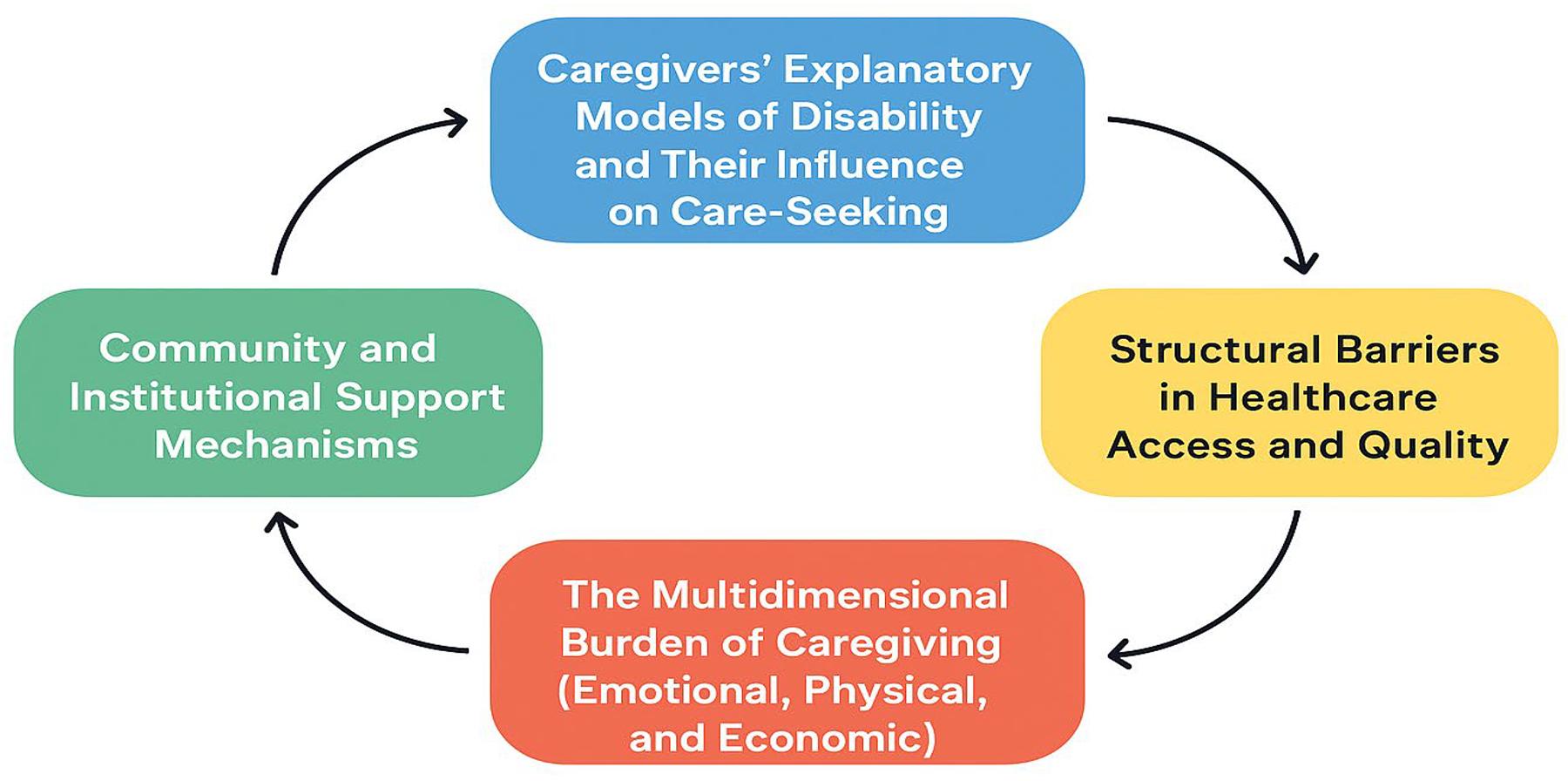 Figure 1: Conceptual model illustrating relationships between study themes.
Caregivers’ explanatory models of disability and their influence on care-seeking
This theme focuses on how caregivers interpreted the causes of their children’s disabilities such as prolonged labor, illness during pregnancy, delayed maternity clinic attendance, and family-related stress, and how these explanatory models shaped their healthcare-seeking decisions. Caregivers often attributed disability to a combination of medical events and social or emotional circumstances, influencing when, where, and how they sought care. Overall, these explanatory models shaped early decisions on diagnosis and treatment pathways.
Primary caregivers interpreted complications during pregnancy and birth processes such as prolonged labor or a newborn’s failure to cry as indicators of what they later understood to be early signs of disability. Rather than viewing these events as isolated medical occurrences, caregivers constructed causal explanations that linked these complications directly to the child’s developmental outcomes.
I took long to deliver him. After delivery, he did not cry despite being injected. He could not sit at four months … (F1-M001)
The labor pain lasted for two days before I could finally give birth. On the contrary the baby didn’t cry immediately after birth … Due to the prolonged labor the child came out so weak that it had to be jogged up [stimulated by patting] to make a crying sound. (F3-M005)
Primary caregivers commonly implicated prolonged labor as a central cause of their children’s disabilities. They described extended, painful labor episodes, sometimes involving bleeding, repeated hospital visits, and delays in delivery, as indicators that ‘something had gone wrong’. Such experiences, including being admitted for several days only to be discharged and later returning to deliver, shaped caregivers’ interpretations of disability as arising from inadequate or delayed obstetric care. These narratives positioned prolonged labor not merely as a medical event but as a meaningful explanation for later developmental challenges.
She underwent a painful labor pain to the point she started bleeding, and we took her to the hospital. She slept there for four days and was discharged because she’s not yet ready for delivery. She went back home for a week then afterwards is when she delivered. (F2-M002)
In addition to prolonged labor, a considerable number of primary caregivers linked a range of pregnancy related complications such as high blood pressure, swollen legs, and anemia to the eventual onset of disability. Caregivers also emphasized the role of psychosocial stressors, often rooted in family conflict, marital abandonment, or inadequate nutrition, in worsening these complications. In the narratives, these stressors were not separate from biomedical risks; rather, they were seen as interacting factors that undermined maternal health and contributed to adverse birth outcomes. This blend of medical and social explanations illustrates how caregivers construct integrated causal models that shape their understanding of disability.
The doctors discovered that I had high blood pressure and referred me to the [name of hospital]. I was put on medication to quell the pressure. I was stressed up during this pregnancy because I became the breadwinner after my husband married a second wife … (F1-M003)
I was stressed during pregnancy because finding food to eat was hard. I was also abandoned by my husband who did not care about me during pregnancy. (F5-M007)
Caregivers also reflected on delayed attendance at maternity clinics as part of their explanatory models for disability. Rather than presenting this simply as late care-seeking, they interpreted delayed antenatal visits as a missed opportunity for early detection or prevention of complications, reinforcing their belief that the disability might have been avoided with earlier engagement in care.
I began attending clinic when I was five months pregnant, and I got a vaccine for tetanus. (F5-M001)
A grandmother was asked when her daughter started attending clinics and she responded, ‘Her mother started attending clinics after 4 months of pregnancy but during that period she was ill’ (F5-M003).
Delayed antenatal care becomes a meaningful component of participants’ broader explanatory model, reinforcing the belief that earlier or more consistent care might have altered the trajectory of the pregnancy and the child’s health. This understanding closes the theme by showing how caregivers integrate biomedical events, social constraints, and retrospective interpretations into coherent narratives about the origins of disability and their subsequent care-seeking decisions.
Structural barriers in healthcare access and quality
Challenges in health provision reflected broader structural failures in the health system that shaped how caregivers navigated care. Primary caregivers described the high cost of medical services as a barrier to securing appropriate care. They complained about the high cost of the drugs that their children were required to use. Some caregivers reported discontinuing or rationing hospital visits because of the cost of hospitalization.
Another challenge is that at the pharmacies, the medication is expensive, and I am unable to afford them. (F2-M001)
I was told to get him a special kind of shoes, but they were expensive as they were being bought at 20,000 shillings [~A$218], which I never had. The doctor also told me that he was supposed to be taken for surgery at Eldoret, but I never had the money to facilitate the process … (F3-M001)
These systemic constraints therefore do more than impede access – they create conditions that push caregivers toward inconsistent care pathways and deepen the vulnerability of children who rely on continuous treatment. Primary caregivers’ challenges were compounded by persistent out-of-stock events for essential pediatric medicines in public facilities. This scarcity did not only create inconvenience, it also intensified their financial burden and eroded confidence in the health system. When drugs were unavailable, caregivers were pushed into private pharmacies where costs were substantially higher, reinforcing a cycle in which access to treatment depended on the ability to pay.
Sometimes, the hospitals do not have sickle cell medications, at the pharmacies, the medication is expensive, and I am unable to afford them. (F2-M001)
The drugs were not available at the hospital and I was just given the prescription … The drug goes for 1800 shillings [~A$20] and when the child was young it could take [last] one month but now it takes only two weeks. (F5-M001)
These disruptions reveal how systemic supply-chain failures shape treatment continuity, often shifting the responsibility and the financial risk onto families already operating at the margins.
Distance to appropriate facilities emerged not simply as a logistical challenge but also as a structural barrier that shaped whether children accessed care at all. Because specialized services were concentrated in distant urban centers such as Nairobi and Eldoret, caregivers were effectively excluded from timely intervention. For children with severe mobility limitations, travel demands became even more prohibitive, reinforcing geographic inequities that made disability care contingent on place of residence rather than need. ‘Moving from one hospital to another was expensive and handling him was hard because of the disorder’ (F2-M004).
Caregivers’ narratives revealed structural capacity gaps that fundamentally shaped their care-seeking trajectories. Local facilities lacked the specialized personnel needed to assess and manage developmental disabilities, leading to care that was often symptomatic rather than diagnostic. Mothers described children being medicated without thorough examinations, and providers being unable to determine a diagnosis at all – experiences that eroded confidence in the system. These limitations highlight how under-resourced primary facilities are structurally mismatched to the complexity of developmental disabilities, making referral to higher-level institutions not simply a clinical escalation but also an unavoidable response to systemic underinvestment.
Because there they would just inject the baby and give the medicine. They never did any check-ups. (F5-M006)
For two weeks, tests were carried [out] on him, but the doctors were not very clear about what was ailing him. They said the child was just okay though he wasn’t talking. We presumed that he was just okay and reserved. (F2-M002)
The coordination between service providers further compounded caregivers’ challenges, revealing systemic fragmentation rather than an integrated continuum of care. Caregivers described being forced to navigate between unaligned specialists and facilities on their own, effectively becoming the coordinators of their child’s treatment. This lack of interprovider communication not only increased their logistical burden but also reinforced perceptions of an incoherent and unreliable service ecosystem.
The doctor then booked and referred us to [name of hospital] so that he could be examined and informed on what was causing the problem. The doctor did that, but there was no response from the hospital. Therefore, the doctor advised me to try taking him to school where, from seeing the other children playing and talking, he might also talk … (F1-M005)
The doctors only used to refer me to different hospitals. At the referred hospitals and still referred to others … (F2-M001)
Information deficiency emerged as a critical barrier. Caregivers reported insufficient explanation of their child's condition, its implications, and the range of available interventions. This informational vacuum not only undermined their confidence in the health system but also constrained their ability to make informed care-seeking decisions.
I was never told why. They just told me to go for a scan. They wrote me a letter to go to Siaya [capital city of Siaya County] for a scan. (F2-M005)
It was when she was five months old that I was informed that she has cerebral palsy. How I wished that the lady who had helped me deliver told me back then. (F5-M006)
Stigma, both within health settings and the wider community, also functioned as a structural barrier that shaped caregivers’ engagement with health care. Participants described how discriminatory attitudes and speculative beliefs about disability (eg contagion, parental sin, or divine punishment) discouraged them from seeking care and deepened their mistrust of formal services. This social environment not only constrained mobility and access but also eroded caregivers’ emotional wellbeing, pushing some to avoid public spaces, including health facilities.
Some of the members of the clan have the view that my child has been used as a sacrifice to generate wealth. Some of them have the view that it is a taboo since the eldest brother to my husband hadn’t married when I was married, and I have been cooking for him … this is always considered a taboo under Luo [People’s] customary laws. Some others hold the view that the child has been used to make the home ritually [clean/cleansed]. (F3-M005)
If you have such a child, normally the community members think that you did something wrong, and they feel like you are not part of them … Some say that you sacrificed your child to illuminati [secret societies] to acquire wealth. Some people talked about family planning methods. (F5-M001)
The multidimensional burden of caregiving (emotional, physical, and economic)
Caregiving emerged as a layered burden that extended beyond emotional strain to encompass physical exhaustion, financial instability, and social isolation. Caregivers’ narratives showed how the demands of daily care reduced their ability to earn income, weakened household food security, and limited children’s access to education and health services. These burdens were not experienced separately but interacted to produce cumulative stress, uncertainty, and long-term vulnerability.
Care responsibilities were frequently shifted to grandmothers, revealing patterns of parental disengagement and gendered expectations of care. This transfer of responsibility intensified emotional, physical, and material strain, particularly for older caregivers whose age and limited resources constrained their capacity to provide sustained intensive care. Rather than isolated family dynamics, these practices reflected broader social norms that normalize the marginalization of children with disabilities and marginalize the labor of older female caregivers.
One grandmother said:
He has a mother, but the mother said he is my luggage [burden] and that I'm the one to look after him and not her. It is difficult since I'm like the mother and father to this child. (F5-M003)
Another grandmother was asked if the child's mother cared for the child when the mother was around. The grandmother said:
She can't care properly … I'm watching after her to ensure that she gets proper care and be free from harm. I took her from her mother because she didn't even know how to exchange the child's bedding. It hurts me that this child is having parents who don't understand her condition and if I stop taking care then she can be in real danger. (F3-M002)
This statement highlights the additional burden placed on some grandmothers, who not only manage the day-to-day caregiving but also must ensure that the child's basic needs are met in their absence due to the mother's inability to provide adequate care.
Caregivers, particularly grandmothers, articulated persistent anxiety about children’s safety and vulnerability in their absence. They described fears that lack of continuous supervision could expose children to neglect, injury, and psychological harm. These concerns were heightened by inconsistent parental involvement and limited alternative caregiving options. This produced a sustained sense of hyper-responsibility, positioning caregivers as the sole guarantors of children’s safety and wellbeing.
According to one grandmother:
My only worry is that if I die then taking care of him might be difficult, I do not know who can take care of him. (F5-M003)
One mother’s perspective was that:
The mothers who stay around me sometimes do not want their children to play with mine, which usually makes him feel bad, and he even comes and tells me. When I leave the child with other people, they beat the child. (F3-M003)
The burden of caring for children with developmental disabilities was described by some mothers, who reported inadequate support from their spouses, creating a challenging caregiving dynamic that impacted family relationships and the primary caregiver's wellbeing. This burden on primary caregivers often led to physical exhaustion, emotional strain, and limited personal time.
I feel overburdened since the father is too much into alcohol and he does not provide as expected. The father has been advised severally even by the teachers to take some of the responsibilities, but this has literally failed. All that he thinks [about] is alcohol. (F3-M003)
When you give the child a ripe banana the father takes it from her. He even goes to the extent of eating the food that we are given at the hospital. He can’t [won’t] carry the child if I refuse to give him the cooked Irish potatoes. (F5-M005)
I was stressed up during the pregnancy because I became the breadwinner after my husband married a second wife. (F1-M003)
Some primary caregivers expressed frustration about not receiving proper guidance or training from healthcare professionals on how to care for a child with developmental disabilities. They noted that despite the complexity of the children's needs, there was a lack of clear, practical advice or support from medical staff to help them manage daily caregiving tasks. These caregivers felt unprepared to handle the specific challenges, such as addressing behavioral issues, or providing appropriate educational stimulation. As a result, they often had to rely on trial and error or informal advice from other caregivers, which left them feeling uncertain and overwhelmed in their caregiving roles.
There's no teaching or treatment that I have received. I have never attended any meetings concerning children with disabilities. (F5-M007)
Unfortunately, I did not receive any support from the community health volunteers. (F1-M002)
Economic constraints emerged not merely as material hardship but as a structural determinant of caregiving capacity. Caregivers described how chronic financial insecurity shaped daily decisions about food and household priorities, often forcing painful trade-offs that compromised children’s nutritional needs. In this context, ‘specialized diets’ were not seen as optional but as practically unattainable, reinforcing cycles of vulnerability and limiting caregivers’ ability to provide what they understood as appropriate care.
Junior should be taking a balanced diet. It requires money to buy different types of food but at times, I lack money. Therefore, he must eat food that is available. (F1-M007)
Economic hardship functioned as a structural barrier to children’s learning, limiting caregivers’ ability to secure adaptive play materials and access specialized education. Rather than reflecting lack of initiative, these constraints systematically curtailed opportunities for cognitive and social development, leaving caregivers aware of but unable to meet the educational needs of their children.
He does not have any specific playing toys; he plays with random stuff. (F2-M002)
Though I wanted to take him to school for his disabilities, now, I am unable to afford it. (F1-M005)
Economic constraints that led to delayed care were reported by many of the primary caregivers, who reported that securing funds for transportation to the healthcare centers was a challenge and they did not follow through with prescriptions or doctors' advice primarily due to financial limitations.
The fare to reach the hospital is hard to find. I walk sometimes when I do not have the fare. (F5-M005)
The doctor told me that my child has a problem … I didn't take any measures towards what the doctor said, and I went with the child back home. It was after six months that I came to realize the child can’t sit. (F2-M005)
Economic constraints arise due to caregivers' lack of productivity, primarily because they are the primary caretakers of their children with developmental disabilities, which limits their ability to engage in paid work.
The major challenge is her, especially with her disability she gives me a lot of difficulties. I cannot do anything; not being able to do anything to get income since I must be there for her all the time. (F2-M005)
He is fully dependent on me. For instance, he cannot go to the toilet and feed by himself. Most times I stay at home to care for him. (F1-M001)
Community and institutional support mechanisms
Family support
Irrespective of the negative experiences shared, some primary caregivers reported having a strong, well-rounded support system. This support emerged from various sources, with the family serving as the primary source.
My husband was cooperative throughout my pregnancy. He took care of my needs during the pregnancy. (F1-M002)
Yes, he [the husband] does. When I leave and he is available, he takes care of the boy’s needs. Moreover, he accompanies me to the hospital whenever the boy is sick. Besides, he is the breadwinner of our family. (F1-M001)
Mothers to the primary caregivers have been cited as a key support system both emotionally and physically.
I leave him with my mother. I start my business at 4:00 pm and close at 8:30 pm. All that time he spends with my mother … My mother supports me financially whenever I am in need. At times she offers encouragement when I am distraught because of my son’s condition. (F1-M002)
In addition to maternal involvement, other family members also contribute to the caregiving process by providing support.
Family members are generally taking care of [child’s name]. Taking care of a special child is a lot. When they come home, I really have an easy time because they carry her, they wash her and then [child’s name] loves people, so I get to have the easiest time when they are around. (F5-M006)
Collective support from the community
Despite the primary caregivers facing some negative perceptions from the community, certain community members offer significant support by encouraging caregivers to pursue continued medical interventions, while others extended their assistance further by providing services such as massage therapy at no cost.
I contracted a mother, who resides locally, to massage him periodically. She offers the services for free … It is challenging to find support from the community. I receive financial support from individuals once in a while. (F1-M003)
There is a neighbor who assists when I am away. She could give the child food. (F3-M003)
Faith/church-based support
The church offered spiritual and emotional support to the primary caregivers, with congregants playing and interacting with children with developmental disabilities, helping them feel seen and included.
I receive prayers and encouragement from the church … congregants play and interact with him. (F1-M003)
I have been taking her to religious leaders, which I believe has worked to some extent … The main reason why I started taking her to religious leaders was unavailability of funds to cater for her medication. (F3-M003)
Government support
Government support is primarily exhibited through the provision of healthcare services and the broader healthcare system. Despite the challenges in the healthcare system, efforts have been made to establish specialized healthcare services for children with disabilities, encompassing physiotherapy, nutritional guidance, caregiving advice, and emotional support.
I used to take him to a clinic that deals with his disability … I was told to put him in a basin and support him with clothes. I did that and he was able to sit. (F1-M001)
The lesson that I was taught is that after the physiotherapy, I should place him to sit on something like a basin back at home. (F1-M007)
Primary caregivers received guidance on balanced nutrition and appropriate child-feeding practices.
I have been taught on a balanced diet … I try to balance his diet by providing fruits, potatoes and cooked bananas. (F1-M003)
There was a time I even went to a seminar in Mumias [town in Kakamega County, Kenya] that really taught us how to take care of children with cerebral palsy. How to feed them, how to help them sit, how to clean them, how to brush their teeth. So, they have been very helpful here, how to make them stand, yeah. (F5-M006)
Although the support was limited, the community health volunteers offered emotional encouragement, which the primary caregiver appreciated.
The CHV [community health volunteer] tries to encourage me to endure while I care for my son. (F1-M001)
I have been told that a child should not be hidden … I have been encouraged to continue with visits at the clinic. (F1-M003)
Hope and optimism as coping resources
With all the support systems from different levels, primary caregivers maintained hope that their children’s conditions would improve.
I am still hopeful that he will walk someday because he is better off than other children. (F1-M003)
I’m always positive in my mind that one day God will intervene and provide healing for him. I have not yet given up on that. (F3-M005)
Discussion
This qualitative study provides an in-depth look at how primary caregivers in a rural Kenyan setting navigate the challenges of raising young children with developmental disabilities. The findings highlight several critical issues. Caregivers frequently attributed their child's condition to perinatal factors, while simultaneously contending with cultural explanations. They faced pervasive barriers in accessing health care, and the burden of care fell predominantly on women – mothers and grandmothers – with minimal support from others. Extreme poverty further constrained their caregiving capacity. Despite these challenges, many caregivers drew on family, community, and faith-based networks to cope.
One of the earliest insights to emerge from caregivers’ narratives was their effort to make sense of how the disability began. Caregivers’ emphasis on difficult pregnancies and births as causes for the disability aligns with medical realities (eg birth asphyxia can lead to cerebral palsy) but also reflects a lay attempt to make sense of the disability. Similar patterns have been documented in other rural African contexts – for instance, parents in Ethiopia reported believing that birth complications or ‘God’s will’ explained their child’s autism or intellectual disability11. Our participants also intermixed biomedical explanations with sociocultural ones: stress from marital problems or being cursed by others were seen as contributing factors. This resonates with the concept of ‘explanatory models’ in medical anthropology, where caregivers integrate various belief systems to explain illness22. It highlights the need for health professionals to communicate clearly about known causes of developmental disabilities (where possible) and address myths empathetically. From a health system design perspective, these findings suggest that routine antenatal and postnatal services should incorporate structured counseling on developmental risks and early warning signs as part of standard maternal and child health packages. Misinformation or attributing blame (to oneself or others) can affect how families engage with interventions, a factor also noted by Karisa et al23. Encouragingly, most mothers still sought medical help despite cultural stigma, indicating that awareness efforts (like antenatal counseling) may be partially effective. These patterns are likely transferable to other rural Sub-Saharan African contexts where biomedical services coexist with strong sociocultural belief systems.
Challenges in healthcare access abound. The study vividly demonstrates a fractured healthcare system from the caregiver’s perspective. Financial barriers were expected and mirror findings from other rural African and low- and middle-income country studies; for example, poverty and transportation costs have been identified as major impediments for caregivers of children with disabilities in Sub-Saharan Africa8,23,24. Our data add nuance by showing the everyday navigation strategies and trade-offs caregivers make (eg walking miles to save a fare or discontinuing therapy due to cost). The fragmentation – being sent from facility to facility – reflects systemic issues such as weak referral systems and centralized specialist services, a pattern widely reported in rural health systems across East and Southern Africa. Karisa et al, studying male caregivers of children with disabilities in a rural setting, similarly found that fathers grew frustrated with ‘hospitals around [that] cannot offer a solution’, leading them to rely on traditional herbalists and prayer23. We saw a parallel phenomenon: when faced with endless referrals and scant answers, mothers did not outright reject modern medicine but supplemented it with religious healing. This finding challenges simplistic binaries between ‘biomedical’ and ‘traditional’ care by showing how caregivers pragmatically combine pathways in response to structural system failures. Such behaviors illustrate adaptive coping strategies in a context of health system inadequacy. The lack of information provided to caregivers – a form of institutional and communicative failure within the health system – is particularly concerning. Studies from South Africa9 and Ghana25 note that parents often feel left in the dark by professionals, receiving little guidance on diagnosis or care. Our findings contribute by showing how this informational void not only erodes trust, but also actively delays intervention, reinforces uncertainty, and shifts families toward alternative care systems. Using the social model of disability, one could argue that it is not the child’s impairment alone, but the health system’s failure to accommodate and inform that ‘disables’ the family14,26. These systemic patterns are likely transferable to other rural Sub-Saharan African settings characterized by centralised specialist services, weak referral pathways, and chronic information asymmetries between providers and families. At the same time, our findings illustrate a persistent tension between medical and social understandings of disability. While caregivers received medically framed explanations for their child’s condition, their own interpretations often incorporated cultural, familial, or spiritual explanations, including stress and moral attributions. Medically oriented explanations can inadvertently reinforce stigma by framing disability as a defect and associating blame with the child or family. In contrast, the social model of disability emphasizes societal barriers, exclusion, and lack of accommodation14. Where social model perspectives are not explicitly articulated, cultural interpretations may instead redirect blame toward mothers or families, reinforcing shame and social exclusion. Strengthening community and health system engagement with approaches informed by social models may help shift responsibility away from families and promote more inclusive social environments. To improve, healthcare services must become more inclusive and family-centered, as advocated by Novak-Pavlic et al7, who call for healthcare systems to better address parents’ needs and include them as partners in care. Simple interventions – like having a dedicated case manager or social worker to help coordinate referrals and explain next steps – could mitigate the fragmentation and confusion.
Another stand-out finding is the significant role played by grandmothers. In our sample, some grandmothers were not just helpers but primary caregivers. This reflects demographic and social patterns in the region: high poverty and unstable partnerships can result in grandparents stepping in to raise grandchildren (sometimes termed ‘skip-generation’ households)27,28. However, their doing so specifically because the child has a disability is noteworthy. It suggests that some young parents may feel unable or unwilling to care for a child with disabilities – possibly due to stigma, stress, or lack of resources – thus passing the responsibility to the older generation. Our findings extend existing literature by showing that disability itself can act as a trigger for intergenerational caregiving shifts, rather than poverty alone. This phenomenon is under-reported in the literature. A related study in Ethiopia observed extended family involvement, although not in full-time care11. Cross-cultural evidence from Taiwan shows a similar trend: grandmothers often take on caregiving roles, motivated by strong familial obligations, even while facing stigma, shame, and emotional strain due to the child’s disability29. The convergence of these findings across low- and middle-income and higher-income contexts suggests that reliance on older female relatives may be a structurally patterned response to disability-related care burdens, not merely a local cultural practice.
These findings highlight how caregiving by older female relatives may be more common than documented and remains underacknowledged in disability research and policy. Our findings highlight a potential policy blind spot: most programs target mothers, assuming they are the default caregivers, yet here we see grandmothers bearing the brunt without tailored support. This has direct implications for the design of healthcare systems and social services: caregiver training, counselling, and follow-up models should formally include grandparents as primary or co-caregivers rather than treating them as peripheral support. These grandmothers face unique challenges: declining health, limited education on modern care techniques, and anxiety about a child’s future when they can no longer provide care. Similarly, a study of grandmothers of children with disabilities in the US reported that they needed information or help with child behavioral issues30. Thus, interventions should consider including grandparents in training and support programs. Furthermore, legal frameworks (like Kenya’s social protection schemes), and comparable systems across Sub-Saharan Africa, should formally recognize grandparents as primary guardians of children with disabilities for resource allocation. These implications are likely transferable to other rural African contexts where extended-family caregiving structures remain central in the absence of formal state support.
The gendered burden on mothers aligns with extensive research on caregiving and gender in Sub-Saharan Africa. Women often juggle caregiving with subsistence work, and disabilities exacerbate this load31-33. Fathers in our study were frequently absent or unsupportive; this too is reported elsewhere, as fathers may experience denial, stigma, or feel that the role is the mother’s responsibility (some cultures attribute blame to the mother for a child’s disability)34. However, some fathers in our study were supportive and actively involved, illustrating important heterogeneity in paternal roles. Tekola et al found that, in Ethiopia, overall mothers carried more of the childcare role and that some fathers were supportive and played positive roles11. Our study reinforces calls for greater male involvement in caregiving; with adequate support and encouragement, fathers can take on stronger advocacy roles for children with disabilities. Programs like fathers’ support groups or community dialogues might help shift norms, as also suggested by Karisa et al23 who documented that some Kenyan fathers were willing to engage and needed societal acknowledgement and guidance. The issue of certain fathers hindering care (eg taking the child’s food) is extreme; it reflects deep-seated stigma or toxic masculinity that must be addressed by community education and counseling. At a theoretical level, applying an intersectional lens, these caregivers are at the intersection of gender, poverty, and disability – each axis compounding vulnerability35. Policies should, therefore, integrate gender considerations into disability support (eg offering childcare respite specifically to single mothers, or economic empowerment initiatives for women caregivers).
Despite hardships, caregivers leveraged various support avenues, which is consistent with the notion of resilience in family caregiving, the dynamic process through which caregivers adapt positively and maintain psychological wellbeing despite the challenges and stressors associated with caregiving responsibilities36,37. The presence of supportive family or community networks significantly improved caregivers’ experiences, corroborating findings from other low-resource contexts that social support is a key facilitator in caring for children with disabilities8,23,38, including studies from Kilifi (Kenya) and Ethiopia that highlight the buffering role of informal social networks. Especially noteworthy in our study is the active role of community figures (neighbors, church members) in providing concrete help (free massages, childcare, encouragement). This reflects the traditional African communal spirit – the ‘village’ concept. Reupert et al discusses expanding the concept of the ‘village’ for modern caregiving, suggesting that communities can and should be mobilized to support families beyond the immediate kin39. Our findings align with that notion: they extend existing scholarship by showing that informal support is not only emotional but often substitutes for formal health and rehabilitation services in rural settings. These findings have clear implications for health system design, suggesting a shift from purely facility-based models toward integrated community-based care through partnerships with faith-based groups, women’s groups, and community volunteers. Formalizing such support through basic caregiver training could strengthen service delivery. These community-embedded approaches are likely transferable to other rural Sub-Saharan African contexts where formal services remain limited.
The church emerged as a powerful ally for many – offering spiritual solace, social inclusion, and sometimes alternative remedies, reflecting wider evidence that faith-based organizations play a central role in health and social care across rural African contexts. In global health, partnerships with faith-based organizations can be very effective, as they are trusted entities. Engaging churches and mosques in disability awareness and support programs could reduce stigma and encourage congregants to assist affected families40 – some churches in our context already model this by involving the child in activities, which can normalize disability in the community. Our findings show that caregivers’ use of both faith healing and biomedical care reflects pragmatic health-seeking in contexts where formal services are distant, costly, or perceived as ineffective. The interplay of faith healing with formal health care in our study is complex. While some might view visits to faith healers as a deviation from medical care, our data and other research suggest that caregivers use pluralistic approaches pragmatically – often because conventional care has not met all their needs (either due to cost or perceived ineffectiveness)23. Rather than dismissing these practices, health systems could adopt a culturally sensitive approach, for example training faith healers on basic disability awareness and management to promote timely referral and adherence to medical care. The key is building trust, so caregivers don’t feel they have to choose one or the other. Such collaborative models are likely transferable to other rural Sub-Saharan African contexts where faith institutions hold strong social influence.
Creating a more inclusive society for children with developmental disabilities necessitates early systemic intervention, and Kenya's existing Early Childhood Development and Education (ECDE) framework offers a potentially important, though underutilized, platform for this. Kenya has established ECDE programs that present an important opportunity to promote inclusion for children with developmental disabilities. However, evidence from Western Kenya suggests that while parents and teachers are broadly supportive of inclusive ECDE, significant gaps remain in teacher training, adaptive resources, and disability-sensitive curricula41. These gaps are compounded in rural, low-resource settings such as Siaya County, where early identification and intervention for children with disabilities remain a key challenge42. Strengthening the capacity of existing ECDE programs to be truly inclusive could therefore serve as a critical entry point for supporting families and promoting the participation of children with developmental disabilities in the community.
This study has some limitations. First, the findings rely on self-reported information from caregivers, which can introduces bias. Participants may have difficulty recalling events accurately or may unintentionally provide socially desirable responses. To minimize these biases, several strategies were employed. The interviews were conducted in Dholuo, the local language spoken in Siaya County, ensuring participants could express themselves freely and comfortably in their mother tongue. Probing questions were used during interviews to encourage elaboration and enhance recall accuracy. Interviewers received training in neutral, non-leading questioning, and triangulation with field notes was employed to cross-check responses and identify inconsistencies. The study's reliance on retrospective accounts of pregnancy and childbirth experiences may also affect the reliability of the data, as memories can fade or be distorted over time.
Second, the findings may vary significantly across different geographical or sociocultural contexts. The study’s specific context might limit the applicability of its conclusions to other settings with different healthcare systems or cultural practices. Other variables, such as maternal mental health or access to prenatal care, may also influence the outcomes and perceptions, potentially confounding the study’s results.
Third, we acknowledge that our subjective interpretations of the qualitative data may affect the analysis, introducing bias and affecting the conclusions drawn from the caregivers' experiences. In particular, our assumptions as researchers about the causes of disability and the inherent tension between medical and social interpretations of disability may have influenced how questions were framed and how narratives were interpreted. Finally, changes in healthcare standards, interventions, and policies over time may also affect the relevance of the findings. The study might reflect a specific period that does not account for ongoing improvements or changes in care practices.
Conclusion
This study highlights the progress in supporting children with developmental disabilities and their families, emphasizing the crucial role of family and community support systems. Caregivers relied on various survival strategies, including practical help from neighbors, church members, traditional healers and extended family, to cope with the demanding realities of caring for a child with a disability. The church emerged as a key support structure, providing not only spiritual solace but also social inclusion and alternative resources. Given the influence of faith-based networks and traditional healers, an important implication is the need to equip religious and traditional leaders with training on stigma reduction, inclusive practices, and basic disability understanding. Strengthening their capacity in these areas would not only support caregivers but also promote broader community acceptance and adherence to appropriate medical care.
However, challenges persist, including gender disparities in caregiving responsibilities, financial strain, and insufficient healthcare guidance. While community networks, such as churches and local groups, play an important complementary role, they cannot substitute for systemic support. Strengthening these networks through respite care and peer counseling should occur alongside efforts to address gender inequities. Crucially, the dual burden of caregiving and subsistence work underscores the urgent need for accessible, affordable, and adequately resourced healthcare services for children with developmental disabilities. Primary-level health facilities should be equipped to provide timely assessment, referrals, follow-up, and caregiver education. Policymakers and healthcare service providers therefore have a responsibility to address the challenges highlighted by this study by improving service availability, enhancing provider training, and reducing financial and geographic barriers to care. By addressing these systemic gaps, future efforts can enhance caregiver wellbeing, promote equitable family support, and foster a more inclusive environment for children with developmental disabilities.
Funding
No external funding was received for this study. The research was funded internally by the African Population and Health Research Center.
Conflicts of interest
The authors declare no conflicts of interest.
AI disclosure statement
An AI-based language editing tool was used solely to support proofreading and language refinement of the manuscript (eg grammar, clarity, and readability checks). It was not used for data analysis, interpretation of findings, generation of content or ideas, or drafting of the manuscript's intellectual content. All authors take full responsibility for the final article.
References
appendix I:
Appendix I: Guide for in-depth interviews with primary caregivers of children with disabilities in rural Kenya
| Theme/topic | Questions | Probe |
|---|---|---|
| Entry questions |
Please tell me briefly about yourself. Lerna matin kuom ngimani. What do you do to earn a living? Tiji maduong’ makelo chiemo en mane? |
|
| Health |
Please tell us about your experience with pregnancy of your child. Lerna ngimani ka ne in kod ich mar nyathini. |
Antenatal care attendance, any complications/danger signs and care received |
|
How was your experience of the birth of your child? Lerna kaka nyuol mar nyathinini ne chal? |
Birth complications, prolonged labor, post-natal care | |
|
Please tell us about your experience with caring for your baby in relation to seeking health services. Lerna kuom arita mar nyathinini e yore mag dwaro thieth. |
Use of local herbs, traditional healers, health facility seeking, others Probe for facilitators, and challenges experienced in seeking the care |
|
|
How did you know that your baby was having a problem? Ere kaka ne ifwenyoni nyathnini nigi chandrugni? |
Information from the hospital | |
|
What is the most important information you have received from the healthcare services about caring for your child? En wach mane kata puonj mane ma iseyudo kaka wuoro man kod nyathi man kod ng’ol mar obuongo? |
||
|
What challenges or difficulties have you encountered in seeking health services for your child? Gin pek mage ma iseneno kaluwore gi wech mag thieth kod gima ne nyathini ni? |
Cost of health services, availability, accessibility | |
| Nutrition |
Please tell us about your experience with caring for your baby in relation nutrition and feeding. Lerna okenge misakale kaluore gi rito nyathini e yore mag chiemo. |
Any concern, issues in eating |
|
What do you do when your child has a problem with eating? En ang’o mitimo kanyathinini odagi chiemo? |
||
|
Please tell us about the type meal your child feeds on. Lerna chiemb nyathini. |
||
|
What challenges or difficulties have you encountered in ensuring that your children feeds/eats well? Gin pek mage ma iseneno kitemoni nyathinini ochiem maber? |
||
| Safety and security |
Describe to us how your child is taken care of if you away. Lerna arita mar nyathinini seche maionge. |
Who takes care of the child? Is the person paid? |
|
What are your main safety concerns for your child? Ere weche mineno kaluore gi yore mag arita mar nyathini? |
||
|
How do other people in the family/community behave towards your child because of his/her condition? Ere kaka anyuola kod jogweng neon nyathinini? |
||
|
How have you ensured that your child is safe from any harm or danger? Ere kaka isetemoni nyathini oyudo yore mag arita makare? |
||
| Responsive caregiving |
How has your spouse supported you in care of this baby? Ere kaka ikonyo jaodi e yore mag arita mar nyathinini? |
Probe for male involvement |
|
What kind of support have you received from your other family members/community? Ere kony miseyudo kaluore gi yore mag arita mar nyathinini? |
Kind of support | |
|
In caring for your child, please describe to us your everyday caregiving activities. Lerna kaka ichiwo arita ne nyathinini kaka wuoro. |
Personal hygiene, leisure, family activities, social activities | |
|
What do you think or feel about caring for the child? Miya pachi kaluore gi arita kod ndingo mar nyathinini? |
Your feelings and thoughts when you learned the diagnosis Your feelings in the first few months as you learned more about the disability and the caregiving required Your current feelings and thoughts |
|
|
What are your main concerns in caregiving? En weche mage machandi kaluore gi yore mag arita mar nyathinini? |
||
|
What challenges or difficulties have you encountered in caregiving? En pek mage maineno kaluore gi arita mar nyathini kaka baba? |
||
| Opportunities for learning |
Please describe to us the kinds of play materials that your child has. Lerna gige tugo manyathini nigo. |
Locally made |
|
Please describe to us how often you involve your children in play activities. Lerna kaka itugo gi nyathini kaka wuoro. |
How often they play | |
|
How have other members of the household been involved in playing with the child? Ere kaka joot osendonjo e tugo gi nyathini? |
Siblings, father, grandmother Sources of play materials |
|
|
What modifications do you have in the play materials that your child uses? Ere lokruok ma iseketo e gige tugo mar nyathinini? |
||
|
How do you help your child learn new things? Ere kaka ikonyo nyathini ngeyo gig mayien? |
||
| Do you have any questions? | ||
You might also be interested in:
2012 - Potentials of a ten dollar pre-paid public health plan for rural health in Sub-Saharan Africa