




 download PDF
Introduction
Globally, medication errors have been considered as a serious threat to healthcare systems1. Medication errors are defined as ‘any preventable event that may cause or lead to inappropriate medication use or patient harm while the medication is in the control of healthcare professional, patient, or consumer’2. These are preventable errors that can occur at various stages of the medication process, including prescribing, dispensing, administering, and monitoring3.
WHO has prioritised medication errors as a global challenge, as they can occur at any stage of the medication process4. Despite safety protocols, medication errors continue to occur across all healthcare settings5. Currently, it is estimated that medication errors occur in 7–9% of medication orders, with approximately 1% of these errors resulting in patient harm3. In the US, medication errors alone cost $20–45 billion (approx. A$29–65 billion) per year, highlighting the economic imperative for improved mitigation strategies6.
Factors contributing to medication errors include illegible handwriting, unclear communication, and lack of drug knowledge among healthcare providers5-7. Although medication errors have been researched extensively, they remain a major challenge in healthcare systems, particularly in rural areas where resources are limited, facilities are inadequate, and a shortage of healthcare professionals is ever present5-8. As such, there is an increasing acknowledgement of the need for technology-driven solutions to reduce medication errors and enhance medication safety.
Artificial intelligence (AI) is a rapidly evolving technology, including in health care, that enables computers to replicate human learning and analysis, reducing reliance on human intelligence8. AI is defined as the ‘science and engineering of making machines, especially intelligent computer programs’9, and has been widely adopted in health care, including in diagnosis and screening practices, and has the potential to enhance patient safety, particularly by reducing medication errors10,11.
This study addresses a critical gap in the literature by examining the application and effectiveness of AI in reducing medication errors specifically within rural healthcare settings, an area that remains underexplored compared to urban and tertiary care contexts. Currently, very few reviews assess the value of AI in reducing medication errors across diverse healthcare settings. Moreover, there is a lack of comprehensive literature specifically addressing the unique challenges and benefits of AI implementation in rural contexts. Existing literature focuses primarily on hospital or general primary care environments, often with little regard for the infrastructural constraints, workforce shortages, and distinct patient populations characteristic of rural areas12-15. Nwankwo et al (2024) examined AI applications in rural primary care, focusing primarily on diagnostic accuracy, but without addressing medication safety16. Similarly, Zakerabasali et al (2021) explored implementation barriers associated with mobile health technologies but did not specifically address medication errors17. In contrast, O'Malley et al (2022) highlighted the role of telehealth in patient satisfaction, besides AI-based error reduction18.
Previous reviews have primarily employed narrative approaches and focused on broader health informatics themes. This article offers a novel contribution by specifically examining the intersection of AI and medication error prevention in rural healthcare settings. It highlights the heterogeneity of AI-driven solutions, such as prescription checking and e-prescribing, while addressing rural-specific challenges like limited connectivity and alert fatigue. Additionally, the article considers the unique barriers and facilitators influencing AI adoption in these underserved environments. By focusing on the specific rural context, this study aims to generate original insights and practical recommendations to inform the design and implementation of effective AI interventions for improving medication safety among rural populations. In doing so, it contributes uniquely to the limited body of literature dedicated to this intersection.
Within this context, this scoping review seeks to systematically examine current literature to identify best practices, potential benefits, and challenges associated with AI implementation in rural healthcare settings. As such, the aim of the review is to explore the application and effectiveness of AI technologies to enhance patient safety and reduce medication errors in rural health settings. Specifically, this review is guided by the following research questions:
- What types of AI technologies are currently used in rural healthcare settings to improve patient safety?
- What evidence exists regarding the effectiveness of AI in reducing medication errors in rural areas?
- What are the challenges and barriers to implementing AI in these settings?
Methods
A scoping review was conducted and followed the framework of Peters et al19 to explore the applications and effectiveness of AI technologies in enhancing patient safety and reducing medication errors in rural healthcare settings. The review addresses the exploration purpose of the study, which was to understand the range of artificial intelligence used in rural healthcare environments and incorporate a wide array of viewpoints and study types20. The review was structured using the Population, Concept, And Context approach21 to ensure a systematic and comprehensive examination of relevant literature. The review process was guided by the PRISMA-ScR guidelines22. A narrative review was utilised to provide an overview of individual studies within the literature, summarising their key findings23.
Search strategy
A search for peer-reviewed articles was conducted on 2 October 2024, using MeSH terms and keywords across the following databases: EBSCO, Emcare (Ovid), MEDLINE, and ProQuest Consumer Health Database, covering the period from 2012 to 2025. After consultation with a health librarian, the following search terms were used: "medication errors" OR medication errors* AND "Artificial intelligence" OR (technolog* OR applicat*) AND "rural areas" OR "rural communities" OR "remote" OR "remote communities".
Articles published between 2012 and 2025 were included, while the exclusion criteria encompassed studies not related to rural health settings, articles focusing solely on urban or non-rural healthcare settings or were not written in English.
Data extraction and analysis
Following the search, all identified articles were imported into Covidence systematic review software (Veritas Health Innovation; http://www.covidence.org), where duplicates were removed. Titles and abstracts were independently screened independently by two team members (JK and MR). Full-text articles of potentially eligibleisastudies were then assessed independently by the same team members. Any conflicts regarding study inclusion were discussed with the whole team (JK, DT and AK) until consensus was reached (Fig1).
Data extraction was conducted using a structured extraction framework within Covidence. Extracted information included study characteristics, setting, AI technology type, stage of the medication process impacted, outcomes related to medication safety, and reported implementation barriers. The included studies were synthesised using thematic analysis to identify recurring patterns and key concepts across literature. This approach enabled examination of the breadth, characteristics, and scope of current research, as well as identification of emerging themes, knowledge gaps, and methodological trends within AI applications in rural medication safety.
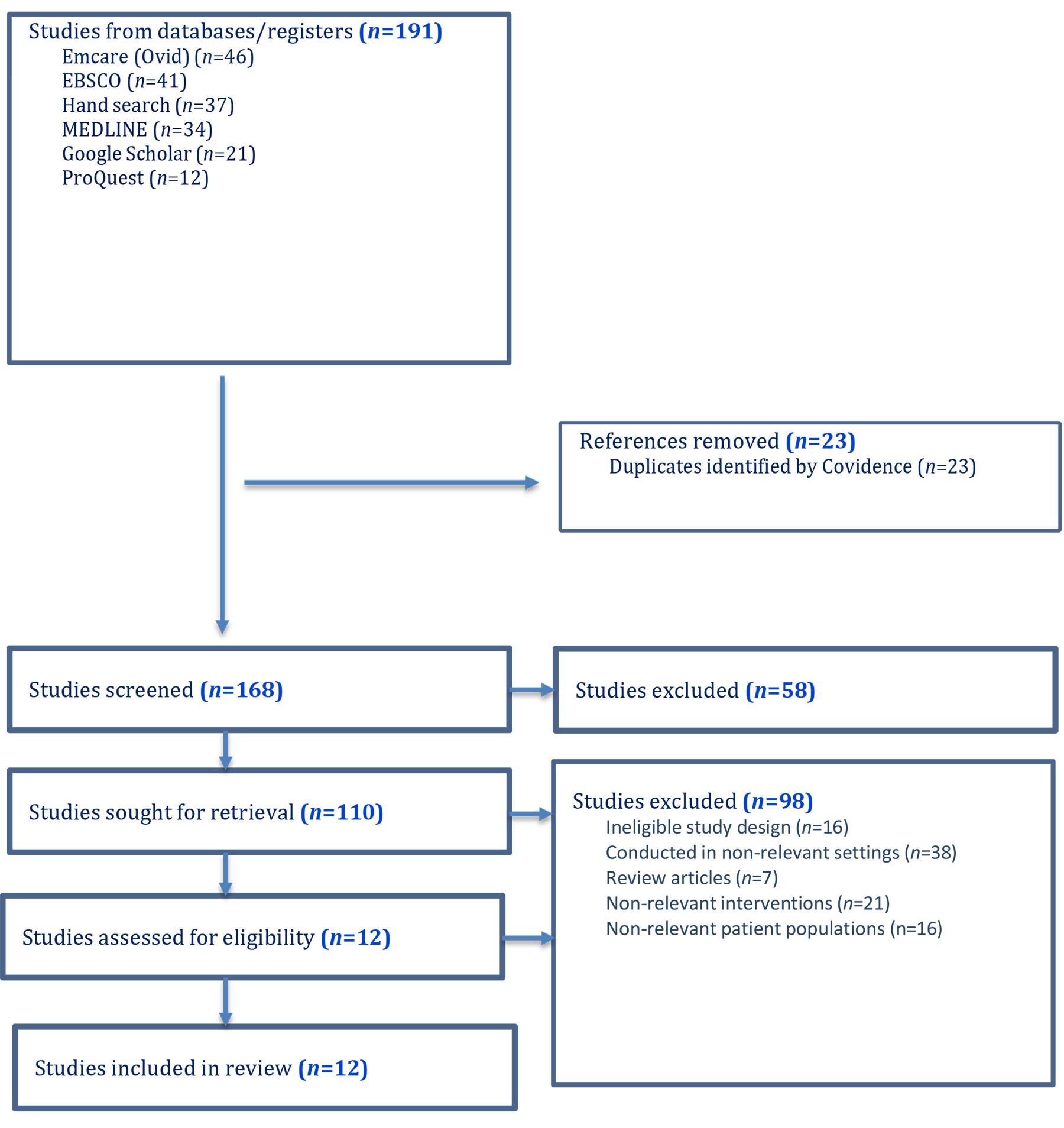 Figure 1: PRISMA scoping review flowchart.
Ethics approval
Since this study did not involve human participants and utilised only publicly available data, ethics approval was not required.
Results
Study selection
Figure 1 shows the PRISMA-ScR flowchart, outlining the systematic and comprehensive steps undertaken in this review to identify and include 12 studies. These studies were conducted across nine countries and examined AI interventions targeting different stages of the medication management process (Table 1). The included studies were analysed thematically, resulting in four overarching themes: types of AI technologies used, medication process stages targeted, reported effectiveness and outcomes, and implementation barriers in rural settings.
Table 1: Summary of included studies on artificial intelligence interventions to improve medication safety in rural health care settings24-35
| Author, year | Country | Study design | AI technology used | Medication process stage impacted | Key findings | Implementation barriers | Themes or insights |
|---|---|---|---|---|---|---|---|
| Chi et al, 202124 | US | Prospective non-blinded evaluation | AI system organizing and extracting key data (NLP-driven) | Record review/data extraction | Reduced clinician review time by 18% while maintaining 84% accuracy; 92% of physicians preferred the AI-optimised interface | Initial learning curve; need for iterative user interface improvements | AI reduces information overload; enhances clinician efficiency without sacrificing accuracy |
| Cousein et al, 201425 | France | Before–after observational study | Automated UDDS: unit-dose dispensing robot plus AMDC | Distribution and administration | Medication administration errors reduced by 53%, including 79.1% fewer wrong-dose errors and 93.7% fewer wrong-drug errors | High capital/implementation on cost; required workflow reorganisation and staff training | Robotics and unit-dose distribution markedly improve medication safety in elderly inpatient care |
| Dalton et al, 201526 | Canada | Retrospective cohort study (one year) | eMAR surveillance system | Administration | 96.5% of antimicrobial doses were administered as scheduled; 3.5% were omitted, including 1.7% clinically relevant omissions. Omission risk varied by route and nursing shift | Incomplete eMAR documentation in some units; manual classification of omissions; no real-time clinical decision support | eMAR enables large-scale, unbiased surveillance of omissions; orally administered antimicrobials and certain shifts have higher omission rates; potential to inform antimicrobial stewardship |
| Härkänen et al, 202127 | Finland | Retrospective record review | NLP-based AI classification of free-text incident reports | Incident prevention (all stages) | Classified 137 serious or moderate incidents into six risk-management categories to support targeted safety improvement | Requires significant researcher oversight for thematic mapping; NLP still needs validation | AI effective at structuring and classifying free-text reports; informs targeted risk-management interventions |
| Huang and Gramopadhye, 201628 | US | Observational task analysis plus focus groups | HIT suite: EHR/CPOE, barcode scanning, eMAR, CDSS | Administration | Identified workflow violations linked to barcode over-reliance, missed verbal checks, interface rigidity, and frequent interruptions affecting safe medication administration | Lack of clear procedures; non-adjustable interfaces; environment prone to interruptions | Successful HIT implementation must address people, tasks, tools, environment and organisational factors |
| Jeffries et al, 202129 | UK | Qualitative evaluation (semi-structured interviews, 39 total; 11 follow-ups) | Configurable prescribing-alerts CDSS based on prescribing safety indicators; managed by CCGs | Prescribing decision stage | CDSS alerts were perceived to improve prescribing safety and cost-effectiveness; stakeholder engagement supported uptake despite alert burden | Alert fatigue from high alert volume; workflow interruptions when alerts mistimed; technical/EHR integration and performance issues; need for local profile management | Adoption depends on coherence, cognitive participation, collective action, and reflexive monitoring (normalisation process theory); customisation, governance and ongoing refinement essential for sustainability |
| Maphosa and Mpofu, 202430 | Zimbabwe (simulated) | Experimental simulation study | Random forest classification model | Prescribing | Random forest model achieved 83.3% accuracy in identifying inconsistent prescriptions, demonstrating potential for prescribing error reduction in low-resource settings | Use of secondary/simulated data; lack of patient-specific variables (age, gender, environment) | AI can supplement clinical decisions in data-scarce settings; richer, real-world data needed |
| Jungo et al 202331 | Switzerland | Cluster randomised clinical trial | Electronic decision-support tool integrated into the primary-care EHR using STOPP/START criteria | Medication review / Prescribing decision | Intervention group reported fewer safety events at 6 and 12 months; however, no significant improvement in overall medication appropriateness | Integration into heterogeneous EHR workflows; clinician alert fatigue; variable uptake across practices; need for user training | Guideline-based CDSSs can measurably enhance prescribing quality in routine care; success hinges on customisation, training, and seamless workflow integration |
| Scott et Al, 201432 | US | Observational QRE analysis | Telepharmacy technology: remote pharmacist review and visual verification | Order review and verification | Telepharmacy identified prescribing (37.7%) and transcription-related errors (43.3%); visual verification supported clinical interventions in up to 3.1% of orders | Limited onsite pharmacist hours; initial user comfort with telepharmacy technology | Telepharmacy effectively identifies and resolves QREs; remote models can bolster safety in resource-limited settings |
| Segal et al, 201933 | Israel | Prospective real-world integration study | Probabilistic ML outlier-detection CDSS | Prescribing | ML-based CDSS generated low alert burden (0.4% of orders); 85% of alerts were clinically valid, with 43% prompting prescribing changes | Integrating with legacy EMR; need continuous model retraining and governance | ML-based CDSS minimises alert fatigue; dynamic, data-driven detection enhances medication safety |
| Tamblyn et al, 201234 | Canada | Cluster randomised controlled trial | Patient-specific risk-estimate alerts (statistical risk thermometer) | Prescribing | Patient-specific risk alerts reduced injury risk by 1.7 per 1000 patients; 83.3% of alerts were reviewed and 24.6% resulted in therapy modification | Physician alert overrides; integrating complex predictive models into workflow; trust-building | Patient-specific risk estimates improve alert relevance and personalisation of prescribing decisions |
| Zheng et al, 202335 | US | Qualitative focus groups | Bayesian neural network plus computer vision for pill NDC prediction | Dispensing verification | Pharmacists favoured hybrid AI–human verification; interpretability features enhanced trust and usability in dispensing verification | Balancing essential info versus overload; building user trust; ensuring usability | Human-centered AI fosters trust; positions AI as augmentative teammate (HMT and SEIPS frameworks) |
AMDC, automated medication dispensing cabinet. CCG, Clinical Commissioning Group. CDSS, clinical decision support system. CPOE, computerised physician order entry. EHR, electronic health record. eMAR, electronic medication administration record. EMR, electronic medical record. HIT, healthcare information technology. HMT, human–machine teaming. ML, machine learning. NDC, National Drug Code. NLP, natural language processing. QRE, quality and reliability engineering. SEIPS, Systems Engineering Initiative for Patient Safety. START, Screening Tool to Alert to Right Treatment. STOPP, Screening Tool of Older Persons' Prescriptions. UDDS, unit dose dispensing cabinet.
Types of AI technologies used in rural medication safety interventions
The AI technologies examined across the studies varied considerably and included clinical decision support systems (CDSSs)28,29, machine learning algorithms for incident detection and classification27, smart infusion devices26 natural language processing27, and AI-enabled electronic prescribing systems34. The ability to predict drug interactions, verify dosages, and automatically log and track medication events are only a few among many capabilities of these technologies. Overall, the identified research was found to consistently highlight the value of CDSSs, particularly in studies by Huang and Gramopadhye (2016) and Segal et al (2019)28,33. These systems employ evidence-based guidelines and rule-based algorithms to support healthcare professionals in making timely decisions. In rural healthcare contexts, CDSS tools have been particularly useful for suggesting alternative treatments that cater to patient needs, adjusting dosages for those with kidney problems, and warning staff about potential drug–drug interactions. Their incorporation into electronic medical records was found to substantially curtail prescribing errors through real-time feedback at order entry, particularly in resource-limited settings where pharmacist surveillance could be scarce. Machine learning algorithms were applied primarily to analyse prescribing data and incident reports to detect patterns associated with medication risk. Härkänen et al (2021) utilised supervised machine learning to classify 137 serious or moderate medication incidents, categorising them into six risk-management domains: verification processes, accuracy, communication, teamwork, guideline adherence, and resource-related factors27. By structuring unstructured incident reports, the model enabled systematic identification of recurrent safety vulnerabilities, thereby informing targeted risk-management strategies. However, validation approaches varied across studies. Most investigations relied on retrospective datasets and reported internal performance metrics such as classification accuracy27,30. External validation in independent rural cohorts or prospective implementation studies was rarely described, limiting generalisability. These findings highlight the need for rigorous prospective evaluation and context-specific validation of machine-learning-based medication safety systems in rural healthcare environments.
Intelligent infusion pumps and computerised dispensing systems, as highlighted by Cousein et al (2014), were key examples of hardware applications of AI within health care25. The technologies integrated barcoding, wireless connectivity, and embedded logic to facilitate accurate administration of drugs in drug identity, dose, time, and route of administration. This study indicated a substantial reduction in dispensing errors when robotic systems were used in ward-level inventory management.
The integration of AI-enhanced e-prescribing systems, as explained by Tamblyn et al (2012) and Zheng et al (2023), enabled the computerised checking of prescriptions through the use of hybrid systems that blended rule-based logic and probabilistic models34,35. These systems had the capacity to identify anomalous prescriptions, compare patient allergies with one another, and provide formulary compliance. Notably, in rural settings where pharmacy services are generally scarce, these advancements served to enhance prescribing accuracy and the speed of medication reviews.
Integration of capability and interoperability were also explored, and highlighted the necessity of integrating AI tools with existing health IT infrastructure28. AI modules that functioned within integrated comprehensive health information systems or interoperable electronic medical records had greater prospects for enabling medication safety workflows than standalone applications, highlighting the requirement for strategic digital health investment for rural care settings. While the types of AI technologies varied widely, their impact was consistently observed across multiple stages of the medication management process, from prescribing to post-administration monitoring, highlighting the breadth of their application in rural healthcare settings.
Medication process stages impacted
AI interventions cover several stages of medication management. By highlighting potential errors or contraindications, nine studies focused on the prescribing and ordering-related stages (Table 1). While some addressed dispensing accuracy through smart systems or automated dispensing cabinets, others assisted with administration, particularly with infusion pump programming and barcode systems. Interestingly, AI was also used for post-administration monitoring to identify patient record discrepancies or negative drug events. Each of these smart or automated systems are discussed in detail.
Prescribing and ordering
Six studies evaluated AI technologies targeting the prescribing stage of the medication process24,28-30,32,34. Prescribing is widely recognised as a high-risk stage for avoidable errors, often associated with cognitive workload, incomplete patient information, and pharmacological complexity5,7. These risks may be amplified in rural settings where access to specialist support is limited.
CDSSs and e-prescribing systems were used to detect potential contraindications, drug–drug interactions, and dosing appropriateness based on real-time patient data, such as age and renal function. These systems gave prescribers evidence-based suggestions and alerts, and enhanced medication ordering procedures for enhanced safety and efficiency, as attested by Tamblyn et al (2012), who documented a dramatic decrease in preventable adverse drug events in rural family practice environments34.
Dispensing and distribution
Regarding the dispensing phase, AI-assisted automated dispensing cabinets and robotic unit dose systems were used in three studies25,32,35. While reducing human involvement and error rates during decentralised or remote pharmacy supervision, the tools preserved accuracy in drug selection, labelling, and delivery operations. Härkänen et al (2021) demonstrated that machine learning classifiers allowed for the classification of medication events during dispensing to perform root cause analysis and propel systematic enhancement27. By their ability to identify discrepancies between medication orders and dispensed items prior to administration, these systems showed preventive capabilities.
Medication administration
Ensuring the correct drug reached the right patient at the right time depended a lot on AI interventions at the administrative level. Cousein et al (2014) conducted a before-and-after observational study with an automated unit-dose dispensing system (a dispensing robot and automated cabinets) replacing the traditional ward-stock model in a 40-bed geriatric ward25. The intervention caused medication administration errors to decrease by 53% overall (79.1% fewer incorrect doses and 93.7% fewer incorrect drugs; p<0.01), with substantial safety advantages despite limitations for non-robot-managed drugs and workflow adjustment challenges. Huang and Gramopadhye (2016) similarly recorded the effective use of barcode scanning technologies combined with AI decision layers to prevent bedside administration errors by cross-verifying patient identity and drug parameters prior to administration28. According to Segal et al (2019), the effectiveness of AI in rural critical access hospitals is shaped by various elements such as staff involvement, quality of the data, maturity of the infrastructure, and level of clinician familiarity33.
Post-administration monitoring and feedback
The innovative impact of AI tools on medication surveillance post-administration is highlighted in studies by Zheng et al (2023) and Chi et al (2021)24,35. These systems utilise advanced technologies such as machine learning and natural language processing to thoroughly analyse various data sources, including incident reports, patient records, and unstructured clinical notes. In the included studies, these data were derived from existing electronic health records (EHRs) and documented reports rather than real-time voice transcription or oral data entry systems. No validation of speech-recognition input was reported. The AI processes excel at picking up on those subtle signs of medication-related issues that might easily be overlooked by traditional monitoring methods, such as adverse drug events or mistakes in documentation, to improve patient safety. This achievement becomes even more essential in rural healthcare settings, where staffing shortages and geographic challenges often make regular patient follow-ups difficult. In the included studies, this analysis was primarily retrospective rather than real-time prospective intervention. While such approaches support improved detection of medication-related issues, the direct impact on immediate patient outcomes may be more limited, particularly in remote healthcare settings where follow-up can be challenging.
Multistage integration
Notably, several studies25,33,35 demonstrated the integration of AI solutions across multiple stages of the medication management process, highlighting the potential for creating end-to-end medication safety ecosystems. The studies highlighted how AI technologies were not confined to isolated tasks but rather functioned as interconnected components within broader clinical workflows. For example, AI-enabled systems were used to support prescribing decisions, verify dispensing accuracy, monitor administration practices, and analyse post-treatment outcomes using existing clinical and health record data.
This multistage integration was demonstrated to be particularly valuable in rural healthcare settings, where fragmented communication and limited staffing often compromise continuity of care. By embedding AI tools within EHRs and linking them across departments, these systems helped bridge information gaps that typically arise between prescribing, dispensing, and administration. Overall healthcare providers were better equipped to maintain a consistent flow of information, reduce the likelihood of medication errors, and respond more effectively to adverse drug events. The studies emphasised that such integration not only improved operational efficiency but also enhanced clinical decision-making by providing real-time, context-aware alerts and recommendations. This holistic approach to medication safety represents a significant advancement in rural healthcare delivery, where resource constraints demand innovative, scalable, and interoperable solutions.
Effectiveness in reducing errors and enhancing safety
The identified studies examined provide compelling evidence that AI and automated technologies significantly reduce medication errors and enhance patient safety across various stages of the medication process, particularly within rural healthcare settings, where such improvements are most needed. For example, Tamblyn et al (2012) highlighted a 63% decrease in missed alerts and better dose accuracy in rural Canadian primary care clinics that utilised an e-prescribing system with an AI safety feature, helping to reduce unnoticed errors34. Scott et al (2014) noted a 43% reduction in transcription errors in Canadian rural telepharmacy units by using AI-enhanced audit logs, which improved the accuracy of documentation in remote dispensing processes32. Jeffries et al (2021) found that a configurable prescribing-alert CDSS raised prescriber confidence and, through combined customisation of alert profiles, reduced perceived risky prescribing by issuing timely patient-specific alerts29. In the OPTICA cluster randomised controlled trial31, an eCDSS for systematic review of medication in older, multimorbid adults was implemented safely but had no substantial effect on total medication appropriateness or reduction in omissions at 12 months compared to usual care. These conflicting results indicate that while CDSS tools may promote perceived safety, their measurable impacts on preventing error are extremely dependent on implementation fidelity, workflow integration, and the translation of alerts into actual prescribing behaviour.
AI tools are enhancing safety by utilising advanced surveillance and promoting organisational learning. Zheng et al (2023) and Chi et al (2021) demonstrated natural language processing and machine learning can effectively sift through patient records, incident reports, and unstructured clinical notes to identify adverse drug events and discrepancies in documentation, especially in rural areas where follow-up resources are scarce24,35. Further, machine learning algorithms can thoroughly analyse incident reports and identify hidden patterns of medication risks27. This can lead to more focused safety measures and improvements in quality. Such features are vital in rural regions, where timely monitoring is often hindered by a lack of staff and geographical challenges. AI plays a key role in aiding clinicians by providing continuous, algorithm-driven support for their decision-making.
While AI has incredible promises in patient safety, particularly associated with medication management, various operational and contextual challenges may hinder its successful implementation. Segal et al (2019) highlight that key factors for AI's effectiveness include staff engagement, data quality, technology infrastructure, and how well clinicians understand the technology33. Cousein et al (2014) indicated that problems such as unreliable internet, poor integration of EHRs, and a shortage of training resources can significantly undermine the anticipated benefits, especially in resource-limited settings25. Conversely, Maphosa and Mpofu (2024) highlighted a concern regarding ‘alert fatigue’30. If healthcare professionals are bombarded with notifications or vague alerts, patient safety could be compromised due to desensitisation.
Other hurdles include alert fatigue and ethical dilemmas29, limited access to systems after hours, inconsistent interventions32, and an overwhelming number of alerts stemming from insufficient training34.To address these issues, Maphosa and Mpofu (2024) suggest working closely with end users to design solutions and using adaptive algorithms that fit various clinical workflows, especially in rural areas where operational differences are more pronounced30. These insights highlight that while AI can significantly improve medication safety, its success in rural health care depends on having a solid infrastructure, customised implementation, and continuous support for clinicians.
Implementation barriers in rural settings
Several studies have highlighted the challenges associated with integrating technology in rural areas. Not having enough staff to adequately manage and comprehend AI outputs31, integrating older systems with AI platforms34, and a lack of digital infrastructure are some of the primary challenges32. Additionally, Huang and Gramopadhye (2016) and Chi et al (2021) noted that many healthcare professionals are hesitant to adopt these technologies because they find them complicated, they feel untrained, and worry about becoming too dependent on automated systems24,28. Budget limitations were often mentioned, especially in research from rural hospitals with fewer resources, where buying and maintaining AI technologies was tough without outside funding or policy backing.
Numerous studies have shown that inadequate digital infrastructure is an ongoing problem in rural and remote health systems28,30,32,34. In addition to system interoperability challenges, limited broadband speed, unstable internet connectivity, and frequent power outages in some rural regions further constrain the reliable operation of AI-enabled systems. In a simulated low-resource environment in Zimbabwe, Maphosa and Mpofu (2024) pointed out that a lack of stable, patient-specific data streams required reliance on secondary or simulated data sets, which limited the real-world applicability of machine learning prescribing models30. Similarly, in a US rural hospital, Huang and Gramopadhye (2016) pointed out that rigid, non-configurable interfaces, recurrent connectivity losses, and poorly supported training environments thwarted effective use of EHRs/computerised physician order entry, barcode scanning, and CDSS tools28. The real-time function of telepharmacy systems has been severely hindered by inadequate capacity and erratic internet access, particularly in remote areas32. Another frequent technical obstacle is the incompatibility of AI platforms with older systems. It was highlighted that it has been challenging to integrate AI-enhanced e-prescribing tools due to fragmented EHR systems, which frequently result in needless data entry and increase the cognitive load of healthcare workers34.
Clinicians' resistance to adopting new technologies was demonstrated to make the implementation process even more challenging. Huang and Gramopadhye (2016) and Chi et al (2021) revealed that perceived complexity, fear of losing skills, and concerns about relying too much on automation created psychological and cultural barriers to acceptance24,28. Some GPs and nurses raised doubts about the accuracy of AI results and how well these matched their clinical intuition. The lack of training and limited involvement in the design and implementation of AI tools only fuelled this reluctance, undermining both confidence and perceived value. Financial limitations also became a significant structural hurdle. Many rural healthcare facilities operated on tight budgets, which restricted their ability to purchase, use, and maintain advanced AI systems. Maphosa and Mpofu (2024) emphasised that without ongoing external funding, government subsidies, or public–private partnerships, the adoption of AI was unlikely to progress beyond pilot phases30. In such situations, even small expenses related to hardware, software licensing, and staff training created major obstacles for implementation. Additionally, Segal et al (2019) emphasised that without clear governance models and clinical accountability protocols, the use of AI can become quite confusing, which can undermine the technology's credibility, especially when it comes to critical medication decisions33. Moreover, many healthcare providers in rural areas struggle with the lack of evidence-based benchmarks needed for the safe and ethical use of AI, largely due to the absence of tailored guidelines.
Furthermore, a lack of qualified workers and staffing problems have been cited as significant challenges on numerous occasions. Huang and Gramopadhye (2016) observed that some rural hospitals lacked staff who were trained in health-IT workflows, leading to workarounds and underutilisation of computerised physician order entry, barcode scanning, and CDSS tools28. Similarly, Cousein et al (2014) observed that implementation of a unit-dose dispensing robot necessitated prolonged staff training and workflow redesign – actions traditionally impossible where human resources are scant25. These results highlight that, in the absence of concurrent investment in workforce development, even well-conceived AI interventions cannot achieve their safety potential.
Policy and research implications
The findings highlight the need for a comprehensive policy framework that leverages AI to enhance healthcare delivery in rural communities. First, there is a need to invest in digital infrastructure like expanding broadband access and ensuring that EHRs are compatible so we can effectively implement AI solutions32. Additionally, funding initiatives should prioritise support for under-resourced facilities, ensuring equitable access to AI technologies through mechanisms such as government subsidies and targeted incentives30. There is also a need to roll out structured training programs developed alongside healthcare professionals to boost digital literacy and build trust in AI systems24.
To ensure that AI is used safely and responsibly, robust governance frameworks that incorporate ethical standards and transparency policies need to be established33. Future research should take a strategic and targeted approach to closing the significant evidence gaps identified in this review, particularly those related to the implementation and impact of AI technologies in rural healthcare settings. The limited number of studies identified highlights the urgent need for evaluations specifically designed to assess the effectiveness, adaptability, and scalability of AI interventions in resource-constrained environments. Longitudinal research that incorporates patient perspectives, cost-effectiveness analyses, and clinical outcomes is essential for building a comprehensive understanding and long-term value of AI. Moreover, it is important for future studies to explore participatory design methods, which can help mitigate alert fatigue and improve user acceptance among healthcare professionals. As Chi et al (2021) pointed out, conducting multicentre studies in various rural areas could boost the relevance of the findings24.
Discussion
This scoping review examined 12 primary studies conducted across diverse rural and remote healthcare settings in nine countries. The findings highlight the transformative potential of AI in enhancing medication safety, particularly in resource-constrained environments. These insights enable a critical understanding of the evidence, situating it within the broader literature, while exploring the implications for healthcare delivery, policy, and future research. Future research should also examine the accuracy, reliability, and practical usefulness of AI products developed for rural pharmacy applications.
Opportunities of AI in rural health care
The integration of AI technologies into rural healthcare systems presents a compelling opportunity to address longstanding challenges in medication safety. Tools such as automated dispensing systems, CDSSs, machine learning, and smart infusion devices are increasingly being deployed to mitigate risks associated with human error, limited access to specialists, and fragmented care pathways. A key potential application is the comprehensive AI-supported review of all medications that a patient is taking – including prescriptions, over-the-counter products, and medicines obtained from multiple providers – to detect drug–drug interactions, therapeutic duplication, and safety risks more effectively than traditional alert-based electronic medical record systems. These technologies not only enhance the accuracy of prescribing and dispensing but also enable real-time monitoring and adaptive decision-making25,36-38.
The literature highlight AI can significantly reduce medication errors, with some studies reporting reductions of more than 50% in specific contexts25. However, these figures should be interpreted within the context of each study’s design, setting, and implementation strategy. For example, the effectiveness of CDSS in reducing prescribing errors may be influenced by the extent of integration with EHRs, the quality of clinical data inputs, and the level of user engagement39.
Beyond error reduction, the ability of AI to process large volumes of unstructured data, such as clinical notes and patient histories, offers a powerful tool to identify patterns and predict adverse medication errors and events. This capability is particularly valuable in rural settings, where clinicians often operate with limited support and incomplete patient information. AI-driven tools can act as virtual assistants, augmenting clinical judgement and supporting more informed decision-making34. AI also contributes to a shift in healthcare culture, from reactive to proactive safety management. By enabling continuous learning and feedback loops, AI systems can foster a culture of safety and quality improvement. This cultural shift is essential for sustaining long-term improvements in medication safety and for building trust in digital health innovations.
Moreover, the scalability of AI technologies holds promise for addressing disparities in healthcare access. Innovations such as telepharmacy platforms and AI-assisted prescription validation can extend specialist support to remote areas, thereby narrowing the urban–rural divide in healthcare quality32. These developments align with global health priorities, including the WHO (2020) Global Strategy on Digital Health 2020–2025, which advocates for leveraging digital tools to strengthen primary care and achieve universal health coverage.
Challenges of AI implementation in rural settings
Despite the promising potential of AI, its implementation in rural healthcare settings is fraught with challenges that span technical, financial, human, and systemic dimensions. Infrastructure limitations remain a fundamental barrier. Many rural facilities lack reliable internet connectivity, interoperable EHR systems, and technical support required to deploy and maintain AI solutions effectively30,32,34. In some regions, slow broadband speeds and intermittent power supply further limit consistent system performance, reducing the feasibility of real-time AI-supported workflows. The small scale of many rural hospitals and health centres may further restrict their capacity to independently sustain complex digital infrastructure, even within well-resourced economies. In this context, hub-and-spoke models where smaller facilities are digitally linked to larger regional centres with established IT capacity may offer a scalable pathway for implementing AI-supported medication safety systems. Such models, adopted in several Australian jurisdictions, may help extend specialist oversight, technical support, and governance structures to resource-limited rural settings. These deficiencies not only hinder real-time data processing but also compromise the reliability and responsiveness of AI tools.
Financial constraints further complicated implementation. The initial investment required for AI technologies, along with ongoing costs for maintenance, training, and system upgrades, can be prohibitive for under-resourced healthcare facilities. This financial burden is particularly acute in low- and middle-income countries, where health systems are already stretched thin. Without targeted funding and policy support, the digital divide may widen, exacerbating existing health inequities30,40.
Human factors also play a critical role in shaping the success or failure of adoption of AI. Clinician resistance, often rooted in concerns about job displacement, loss of autonomy, and overreliance on technology, can impede uptake24,28,30. Additionally, inadequate training and poorly designed user interfaces contribute to alert fatigue and disengagement. These issues highlight the need for user-centred design and comprehensive training programs that build digital literacy and foster confidence in AI tools.
At a broader level, systemic and ethical challenges must be addressed to ensure responsible AI integration. The absence of clear governance frameworks, accountability protocols, and context-specific guidelines can undermine trust in AI systems33. Ethical concerns, such as data privacy, algorithmic bias, and cultural insensitivity, are particularly salient in rural and Indigenous communities. In addition, AI models must undergo rigorous real-world validation and continuous performance monitoring to address risks such as model drift, particularly as new medications enter clinical practice and prescribing patterns evolve. Without regular updating and reassessment, AI systems used for functions such as drug–drug interaction checking may lose accuracy over time.
Ensuring that AI systems are developed and validated using diverse, representative datasets is essential to avoid perpetuating or amplifying existing disparities. Furthermore, the success of AI in rural health care depends on a sociotechnical approach that considers not only the technology itself but also the organisational, cultural, and policy environments in which it is deployed41. Stakeholder engagement, including input from clinicians, patients, policymakers, and technologists, is critical for designing solutions that are both effective and acceptable. Without such engagement, even the most advanced AI tools may fail to gain traction or deliver meaningful improvements in care.
Implications for policy, practice, and research
The findings of this review have several implications. For policymakers, there is a clear need to invest in digital infrastructure, workforce development, and regulatory frameworks that support the ethical and equitable deployment of AI in rural settings. For healthcare practitioners, embracing AI requires a shift in mindset, from viewing technology as a threat to recognising it as a collaborative tool that can enhance clinical practice. Future research should prioritise longitudinal studies to assess the long-term impact of AI on medication safety, patient outcomes, and system efficiency. Additionally, implementation science approaches are essential to tailor AI solutions to diverse rural contexts, considering local needs, resources, and cultural nuances.
Limitations
The scoping review has several limitations. For example, the review aimed to capture a broad range of AI applications in rural health care, and the number of eligible studies was limited, which reflects the emerging nature of this research area. This may limit the generalisability of findings across diverse rural contexts. In addition, the heterogeneity of study designs, AI technologies, and outcome measures made it difficult to conduct a comparative analysis or meta-synthesis. Most studies lacked standardised metrics for evaluating medication safety outcomes, which limited the ability to draw definitive conclusions about effectiveness. Additionally, many studies were pilot or feasibility studies with small sample sizes or simulated environments, which may not reflect real-world implementation challenges. Lastly, the review did not include grey literature, which may have excluded practical insights from ongoing projects or government initiatives. Future reviews could benefit from incorporating broader sources and engaging with stakeholders to capture a more comprehensive picture of AI integration in rural health care.
Conclusion
This scoping review has demonstrated the transformative potential of AI in enhancing medication safety within rural healthcare settings, while also highlighting the significant challenges associated with its adoption. AI technologies, ranging from clinical decision support systems to smart infusion devices, offer scalable, data-driven solutions that can reduce medication errors and support clinical decision-making in resource-constrained environments. Realising this potential requires overcoming significant infrastructural, financial, and human barriers. In addition, these systems must undergo rigorous clinical and contextual validation to ensure their safety, reliability, and applicability within rural healthcare environments before widespread implementation.
Challenges such as limited digital infrastructure, clinician resistance, alert fatigue, and ethical concerns must be addressed through robust policy frameworks, targeted investments, and inclusive implementation strategies. As rural healthcare systems transition toward digital health, coordinated efforts in technology deployment, workforce training, and governance development will be essential to ensure AI is integrated safely, effectively, and equitably.
Funding
No external funding was received for this study.
Conflicts of interest
The authors report no conflicts of interest.
AI disclosure statement
AI tools were not used to generate research questions, conduct the literature search, screen studies, extract data, analyse findings, interpret results, or draw conclusions.
References
You might also be interested in:
2011 - Exploring the role of social capital in supporting a regional medical education campus