





 download PDF

Introduction
The healthcare workforce is a critical component of a rural community, offering necessary care locally, and facilitating access to health care beyond the community when required. People living in rural and remote (henceforth ‘rural’) Australia experience more advanced and complex health presentations than those living in metropolitan areas, largely due to lower health literacy1,2, socioeconomic status3,4, and reduced healthcare access5. Many rural Australian communities are facing ongoing critical health workforce shortages, exacerbating already low rates of healthcare access compared to metropolitan areas6,7. Future shortages appear likely as many Australian healthcare workers intend to retire early due to burnout, psychological distress, long working hours, budget cuts, or workforce retention issues8-12. Rural communities require reliable staffing within the healthcare workforce to deliver care and reduce inequity.
Healthcare worker recruitment in rural areas generally emphasises external recruitment from metropolitan centres or foreign countries, often in response to government initiatives13. Such approaches can be effective in the short term; however, providing financial incentives to new staff can be detrimental to cohesive work culture14, and healthcare workers from urban backgrounds are more likely to leave rural areas15. Furthermore, recruiting staff from other countries may deprive source countries of healthcare resources16 and perpetuate global workforce shortages17. Optimising recruitment, retention, and staff development within rural communities is potentially a more efficient approach to creating sustainable rural healthcare workforces. During the coronavirus pandemic, the Australian Health Practitioner Regulation Agency created a subregister and encouraged former doctors, nurses, midwives, and pharmacists to rejoin the workforce18. It is thus possible that there are healthcare workers in our rural communities – individuals working at reduced capacity or who have left the workforce – who could increase their contributions to the rural healthcare workforce.
Existing rural health workforce literature has largely focused on workforce maldistribution, attraction, recruitment, retention, and strategies to increase the availability of healthcare workers in rural and remote areas6,7,15,19,20. However, comparatively little is known about the latent capacity of healthcare workers already living in rural communities who are unemployed, working casually or part-time, or otherwise not participating in the workforce to the extent they may be willing or able to sustain21-23. Globally, evidence on underemployed healthcare workers (those not working full-time hours) is limited, especially in rural areas. Some metropolitan studies from Taiwan and the US reported relatively high proportions of underemployed health workers in professions such as nursing and paramedicine (16–72%)21-23. However, the generalisability of these studies to rural contexts is questionable. The present study addresses the gap in understanding rural healthcare worker underemployment (ie part-time, casual, and unemployed individuals) by investigating the barriers and enablers to increasing the participation, recruitment, and retention of underemployed rural healthcare workers in an Australian context.
Methods
Study context
This study was set in the Western Downs region of Queensland, Australia. This rural region encompasses 37,937 km2 with a population of approximately 35,000 residents served by two rural hospitals, and several smaller hospitals and health centres24,25. Regional and remote towns constituting this region are experiencing ongoing staffing shortages across multiple health fields. A local collaborative was formed to improve health access and outcomes in the Western Downs. The collaborative included Western Downs Regional Council, Toowoomba and Surat Basin Enterprise, the Queensland Government, Rural Medical Education Australia, and Griffith University. The collaborative prioritised exploring potential local workforce solutions, including the possibility of increasing the workforce contribution of local underemployed healthcare workers.
Overview of study design and methods
This study employed a descriptive phenomenological informed approach, which was co-designed by the collaborative. The first two steps of a five-step phenomenological psychological method were applied26, with the data subsequently subjected to thematic analysis27. Thus, participants described their lived experiences in semi-structured interviews (data collection), followed by researcher review of transcripts to grasp the whole situated description (step 1), and adoption of the attitude of phenomenological reduction (step 2). Line-by-line coding and thematic analysis was then employed to generate codes, subthemes, and themes. Through this process the research team prioritised participants’ lived experiences in the rural healthcare workforce in order to understand ‘what matters to them and how they make sense of the world’28.
Participants, recruitment, and consent
Participants were Western Downs residents, aged 18 years or more, and currently employed at less than full-time capacity or previously employed as a healthcare worker in the region. Interview participants were recruited via an online health workforce survey distributed by the Western Downs Regional Council (available on their website and promoted on social media) and by word of mouth within rural communities. Word-of-mouth recruitment was supported by the collaborative, which informed rural healthcare employers of the research and directly promoted it to healthcare workers in their professional networks. Participants were provided with a participant information and consent form prior to being interviewed. Participants gave informed consent by signing the consent form or verbal agreement prior to commencing the interview. Participants were offered a $100 gift voucher for their time. Recruitment continued until interviews no longer yielded new themes, meanings, or dimensions relevant to the research aim27, and when the data were judged to provide sufficient depth to support a reflexive interpretation of participants’ lived experiences29. As our sample was relatively homogeneous, saturation was expected to be achievable with a relatively small (eg n=12) sample size30. While recruitment aimed to capture diverse healthcare disciplines, the final sample consisted predominantly of nurses (n=11) and doctors (n=2), reflecting either the local workforce composition or potential bias in recruitment approaches.
Data collection and analysis
One-on-one phone interviews of approximately 30 minutes duration were conducted using a semi-structured interview guide (Supplementary material S1) designed to prompt participants’ thoughts on barriers and enablers to working increased hours (or returning to work) within the healthcare workforce. Open-ended questions enabled participants to respond in their own terms, with follow-up questions used to clarify responses and maintain focus on the topic31. Each interview began with a brief introduction by the interviewer, including their background, the research topic, and their interest in it, as a part of the informed consent process. If interviewers were known to participants, the option to complete their interview with another team member was offered. Interviews were audio recorded. Interview data were transcribed using Sonix (https://sonix.ai). Interview transcripts were first read and analysed using a descriptive phenomenological approach26,32. Following this, a six-step inductive thematic analysis method was applied33. Codes were initially developed by one author (WM) to provide congruity. Codes were then independently refined by two authors (EB and SW). Final codes were decided upon by consensus achieved through discussion by two authors (WM and SW). Themes were created by one author (WM), reviewed by a second (EB), and approved by all authors. NVivo v15 (Lumivero; https://lumivero.com) was used to facilitate the analytical process.
Reflexivity and trustworthiness
Authors considered the influence of their professional backgrounds, experiences, and prior assumptions throughout the study. WM (male) and SW (female) are rural healthcare researchers with exercise physiology backgrounds; WM lives in rural Queensland. MO is a female former director of nursing with experience in rural and regional health workforce management. JP is a female multidisciplinary clinical researcher in rural primary health care and workforce. EB is a female junior doctor with experience in rural primary care and emergency care. JE (male) is the Health and Education Manager of the Toowoomba and Surat Basin Enterprise (an economic development organisation operating in regional and rural Queensland). WM and SW conducted the interviews and approached data collection and analysis through a rural healthcare lens, and with the lived rural healthcare experiences of WM. Insights on codes and themes from a rural clinical perspective were provided by MO, EB, and JP. Industry perspectives were provided by JE.
Trustworthiness is ensured by researcher triangulation, dependability, and reflexivity34,35. Qualitative experts (WM, SW, JP) ensured triangulation during data analysis and by regular peer checking. Tracking of coding decisions and regular discussions ensured data dependability. Reflexivity was operationalised through independent coding, peer debriefing, and consensus-based discussions that challenged assumptions and ensured that themes were grounded in participants’ lived experiences rather than researchers’ professional perspectives. Researchers acknowledged that their diverse cultures, professional backgrounds, experiences, and world views could influence engagement with the data. Consistent with descriptive phenomenology, these influences were not used as interpretive frameworks but were consciously managed through phenomenological reduction. During data familiarisation and coding, researchers explicitly bracketed prior assumptions about rural healthcare work and workforce participation, focusing on participants’ descriptions and meanings as expressed in the transcripts26.
Ethics approval
The study was conducted in accordance with the Declaration of Helsinki and approved by the Griffith University Human Research Ethics Committee (2023/653).
Results
Thirteen healthcare workers participated in phone interviews (Table 1). Participants were predominantly female, comprising 11 nurses and 2 doctors, working part-time, and drawn from five rural towns in the region. Of the 13 participants, 10 were engaged in employment in the healthcare sector at the time of interview. No participants identified as Aboriginal or Torres Strait Islanders.
Four themes were generated from thematic analysis of the data: proactive burnout prevention, inadequate staffing, rural context, and enabling workforce participation. A graphical summary of the themes, subthemes, and concepts discussed by participants is provided in Figure 1.
Table 1: Participant demographics
|
Participant |
Modified Monash Model classification† |
Profession |
Sex |
Age (years) |
Healthcare sector employment status |
Hours reduced ... |
|---|---|---|---|---|---|---|
|
P1 |
MM 5 |
Nurse |
F |
51–60 |
Not employed |
Permanently |
|
P2 |
MM 4 |
Nurse |
F |
31–30 |
Part-time |
Temporarily |
|
P3 |
MM 4 |
Nurse |
F |
31–40 |
Part-time |
Permanently |
|
P4 |
MM 4 |
Nurse |
F |
18–30 |
Part-time |
Temporarily |
|
P5 |
MM 4 |
Nurse |
F |
18–30 |
Part-time |
Permanently |
|
P6 |
MM 5 |
Nurse |
F |
≤61 |
Part-time |
Permanently |
|
P7 |
MM 4 |
Nurse |
F |
18–30 |
Part-time |
Temporarily |
|
P8 |
MM 4 |
Doctor |
F |
18–30 |
Part-time |
Permanently |
|
P9 |
MM 5 |
Nurse |
F |
41–50 |
Part-time |
Temporarily |
|
P10 |
MM 4 |
Nurse |
M |
41–50 |
Not employed |
Temporarily |
|
P11 |
MM 5 |
Nurse |
F |
51–60 |
Not employed |
Temporarily |
|
P12 |
MM 4 |
Doctor |
F |
41–50 |
Part-time |
Permanently |
|
P13 |
MM 4 |
Nurse |
F |
18–30 |
Part-time |
Unsure |
† Modified Monash (MM) model classification of locations;
https://www.health.gov.au/topics/rural-health-workforce/classifications/mmm?language=en
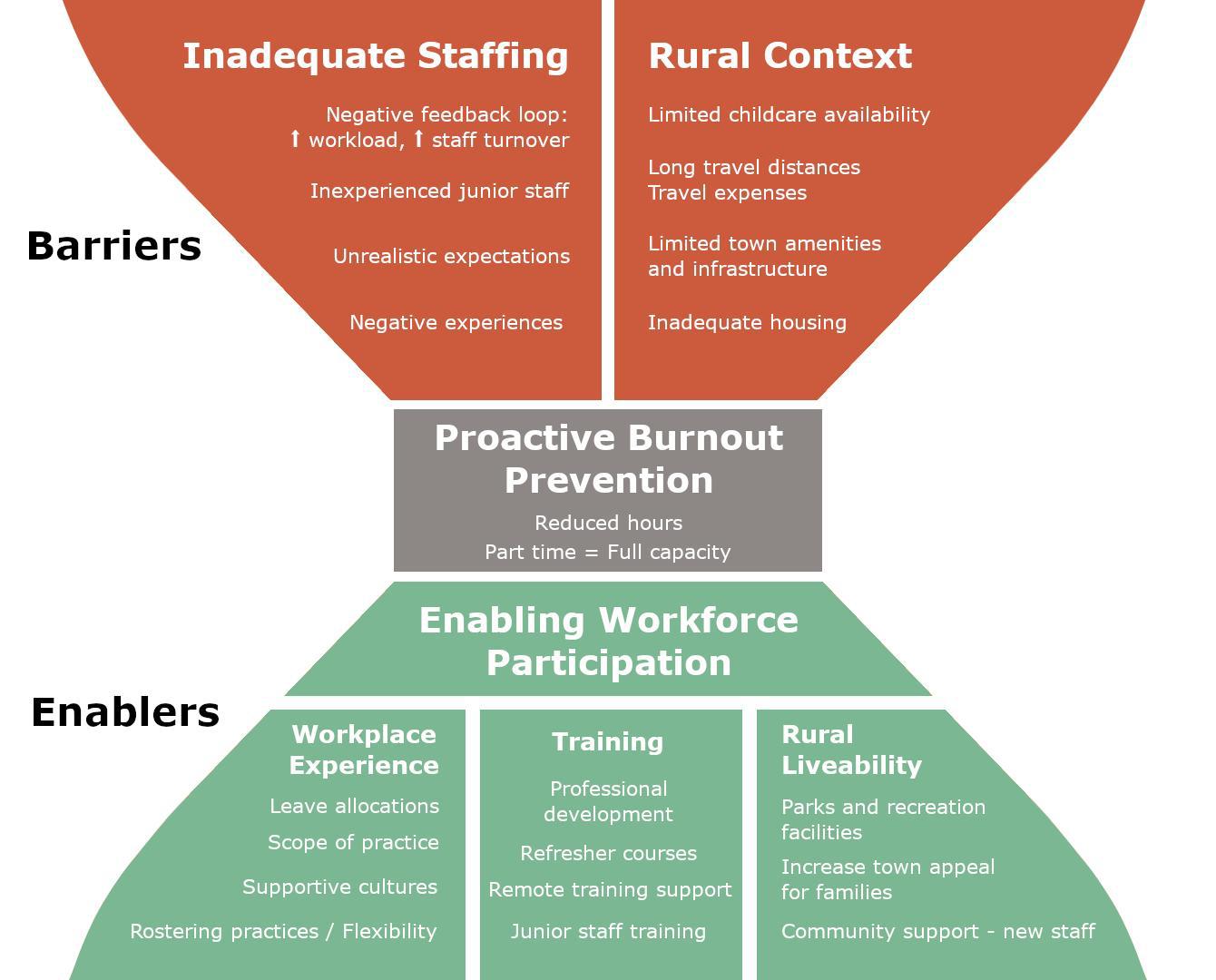 Figure 1: Summary of themes, subthemes, and concepts discussed by participants.
Proactive burnout prevention
Many participants were either experiencing burnout or described it as omnipresent and almost inevitable in their professional context. One participant reflected on the pervasiveness of burnout, stating that they had ‘seen so many colleagues suffering from it’ (P5). Another participant used vivid imagery in describing their own experience:
If I was a tree in a bushfire, [expletive] you'd say that I was burnt beyond recognition. (P10)
This choice of metaphor clearly communicated the impact of work-related stress and the resulting burnout.
In response to the threat of burnout, participants proactively reduced their work hours. They found that a reduced workload assisted in managing burnout because it enabled ‘self-care rituals’ (P5), facilitated ‘time off’ (P4), allowed ‘rest and recover[y]’ (P7), and provided ‘balance’ in their lives (P12). Part-time work was seen as a way of preserving workers’ longevity in the healthcare workforce, improving their clinical performance and job enjoyment, and reducing the impact of burnout:
I think it makes me a better clinician to work part time. And I enjoy my job better and I don't feel as burnt out by it. (P8)
I'm actually working less [hours] … [But] I can actually work longer, if that makes sense. (P5)
Conversely, higher work hours were described as ‘detracting’ (P12) from enjoyment of work. One participant captured this risk through the metaphor of depletion, stating, ‘If you’re going to do more of the same, your cup’s going to deplete faster’ (P11), highlighting concerns about the unsustainability of continued high workloads. Full-time work included on-call responsibilities and take-home tasks, resulting in greater than full-time hours which caused fatigue, burnout, and reduced job satisfaction (P8, P12). Reduced work hours enabled participants to work full-time hours at their discretion, rather than by ‘necessity’ (P12), giving them some control over when and where additional work burdens fell.
Inadequate staffing
Participants explained how inadequate staffing established a negative feedback loop where increased workloads accelerated staff turnover, and turnover increased workloads. The workloads in rural health care were seen as ‘unsustainable’ and causing employers to ‘lose people just because they've just had enough … [because healthcare] demand outstrips supply every day’ (P11).
Other deleterious effects of inadequate staffing included fewer staff willing to pick up extra shifts because the workload was ‘so big’ (P12), and increased employer expectations on staff to ‘always’ pick up shifts (P5) or to ‘never claim overtime’ (P6). One staff member reflected on the effect of a single sick clinician on facility workload ‘God, it's going to have a major impact’ (P12).
Though attempts by management to address staffing were appreciated, participants did express concerns regarding locum doctors. This included that they were often not supportive of rural nurses’ broad scope of practice (P1, P7) and could be ‘really lazy’, ‘disrespectful’, and treated nursing staff like ‘personal handmaids’ (P1). Examples of the impact of locum doctors on local staff were striking and included general malaise among healthcare workers through to dedicated staff wanting to stay home to avoid locum doctors:
[Locum doctors] don't help … [with] the clinical governance stuff that makes the hospital safe … Nobody knows [them] … everybody has to put faith in [them] not to make any clinical errors … Everyone's just so relieved when their permanent staff are back. (P12)
When [locum doctors] don't let you work to your full scope of practice and they're being complete arse-hats … that makes me just not want to go to work at all. (P7)
The experience levels of new nursing staff also concerned participants. Particularly for graduate nurses who don’t ‘get anywhere near enough clinical hours’ and require ‘mothering’ (P1), with experienced staff expecting many to ‘drop out’ as the realities of rural nursing become apparent to them (P9). A junior nurse mirrored these concerns and described how shifts staffed only with juniors were a ‘struggle’ while they could ‘settle in’ and ‘feel comfortable’ when working with senior nurses (P4).
Rural context
Participants discussed several issues specific to their rural contexts. Limited childcare availability, or a complete absence of childcare, in rural towns was described by all participants as a prominent barrier to workforce participation. Struggles to participate in the healthcare workforce were routinely cited as barriers to workforce participation by participants:
I know a lot of people who would love to pick up more shifts, but the childcare [availability in town] is terrible. (P13)
We had a permanent nanny … that was the only way I could work. There's no childcare available. (P9)
Limited availability of long daycare centres in rural towns (those with extended opening hours) created conflict with hospital shift workers (P5, P8). Equally, a sick childcare staff member could affect hospital staffing due to the limited availability of childcare workers in rural towns. Some rural daycares were tenuously staffed, with centres ‘just closing’ when they have ‘staff off sick’ (P1), leading to a flow-on effect of healthcare staff unable to attend shifts. Furthermore, inflexibility in daycare hours created inequitable shift distributions among nurses, as those with children ‘can’t work [a] full roster, those extra shifts fall onto the ones who are able to pick up anything’, which leads to nurses without children becoming ‘quite frustrated’ at the seemingly unfair distribution of late and night shifts (P5).
Other tangible barriers to rural healthcare workforce participation included housing availability and travel costs. The impact of limited housing availability was succinctly stated by one participant as ‘you can’t buy a house’, resulting in no new healthcare staff coming to her town to work as ‘there’s nowhere to live’ (P9). Simple economics left others questioning the value of working in rural towns where they could not live:
[Can I justify] travelling 200 km between the late–early [shifts]? (P11)
Distance to more desirable coastal cities also impacted rostering options. Many healthcare staff who resided in coastal towns were described as travelling to rural towns for work, but always returned home after their shifts, limiting their capacity to pick up extra shifts, overtime, or on-call duties. By comparison, local staff are ‘very powerful because [they] can flex up the hours’ and contribute more during periods of heavy activity (P12). While local healthcare workers may be a critical buffer against staffing shortages, this reliance also normalises expectations to increase hours when services are under strain. One participant explained:
[If] we had more people, then we wouldn't need to be encouraging people to do more hours ... So we don't burn out our staff. (P8)
These accounts illustrate how local workforce strength, the ability to absorb additional workload during acutely busy periods, simultaneously functions as a vulnerability. When local healthcare workers continually compensate for shortages they experience ongoing and heightened workloads, potentially creating a barrier to their long-term workforce retention.
Enabling workforce participation
Participants described a broad range of enablers they believed would support them or others to maintain or increase their work hours in the healthcare workforce. Suggestions related to three subthemes: workplace experience, training, and rural liveability.
Workplace experience
The most common suggestions for improving workforce participation related to improving the day-to-day work experience. Participants suggested that their employers should develop supportive cultures and demonstrate genuine care for employee wellbeing (P1, P2, P10), ongoing development (P4), and their scope of practice and clinical abilities (P7). One participant highlighted the emotional burden associated with returning to work in unsupportive environments, stressing the need for authentic, rather than performative, managerial support:
It is quite stressful thinking about coming back into the workforce … not just pretending to support [staff], but actually supporting them. (P2)
Psychological safety was also viewed as foundational to staff performance and retention:
If [staff] actually feel psychologically safe at work, their performance will be through the roof. The sick days will fall away. Their retainment will increase. (P10)
Rostering practices that prioritise rest and allow some flexibility and control over their shifts were also seen as important to enabling workforce participation and encourage staff to work additional rostered hours (P2–P7, P9–P11). Flexible working arrangements were perceived as a potential strength of rural hospitals, particularly in contrast to larger metropolitan facilities. As one participant explained, informal flexibility allowed staff to accommodate personal responsibilities more easily:
You can duck in and say to someone, ‘so-and-so is having their wisdom teeth out next Tuesday. Is it okay if I come in late?’ … in a bigger, more metropolitan hospital … if you were a number, there would be a policy on how you do that. (P11)
Adequate staffing levels were also identified as critical to creating a positive workforce experience. Participants noted that sufficient staffing would ensure access to non-clinical time entitlements (P1) and ensure holidays could be enjoyed without feeling like ‘you’ve left your colleagues in the lurch’ (P12). Several participants felt rural facilities should be given a higher staffing allocation than under current staffing rules (P1, P5, P11, P12) and that this would improve the capacity to staff shifts (P5) and leave-taking without compromising care quality (P1, P12).
Training
Participants expressed a strong desire for employers to actively support them to pursue training. This included activities such as mandatory professional development and annual training (P3, P10), retraining into different specialities (P2, P6), meeting university practical requirements (P2, P13), undertaking refresher courses (P6), training for junior staff (P4, P8, P10), and support to remotely access training (P11). Participants viewed such support as a form of professional respect and recognition of clinical expertise. As one participant noted, access to education and respect for nursing skills influenced their willingness to increase work hours:
I frequently hear as a manager that [staff] want more educational opportunities … If people viewed nurses differently and gave us more respect for our clinical capabilities and supported us to build those, I'd probably work more. (P7)
Training was also framed as central to workforce sustainability in rural settings, where participants felt successful recruitment from metropolitan areas was uncommon:
If you need staff then you should support the people that are around you, it's very rare that you will actually recruit someone from those city areas to a regional or rural area. Like it doesn't happen very often. (P2)
Some participants expressed frustration with financial incentives being prioritised over educational support, arguing that remuneration alone did not address their core needs:
They use the money [as an incentive] … it gets a bit old. [We] don't want more money, [it] doesn't actually work throwing more money at us. You need to respect the fact that we're not having our training supported … we're not furthering our own self education. (P12)
Taken together, these accounts position training not only as a professional development opportunity, but also as a key mechanism for recognising expertise, supporting retention, and sustaining workforce participation in rural healthcare settings.
Rural liveability
The most impactful enablers in rural towns as viewed by participants were increasing childcare availability, increasing childcare opening hours, and boosting local housing supply. Participants believed that improvements in these areas would pragmatically increase the ability of healthcare workers to contribute to the healthcare workforce. Town amenities and infrastructure were also seen as strong influences on staff retention:
We rely on a lot of agency staff … they'll go, … ‘the tennis courts are behind it and it's got a good gym’ … they do critique places. (P11)
They had several applicants, but when it came down to it … What does the town offer? What comes with the job? … seven applicants, not one took the job. (P9)
Participants also reflected on how rural towns need to be attractive to families and partners to ensure that healthcare workers can continue to contribute to the rural healthcare workforce. In circumstances where the partners of healthcare staff are unable ‘to work in town or [are] not enjoying their roles’ this was seen as reducing the ‘longevity’ of the healthcare workers’ time in the local healthcare workforce (P8). The attractiveness of towns for families with children was also discussed, emphasising that attraction and retention were not solely based on what was offered by employers, but also on broader community features:
If you want people with families to come out, having parks and good recreation areas for their time off for their children is appealing … I think [town] could do better. (P8)
Supporting new staff to integrate into the local community was identified as another enabler to ongoing workforce participation by staff. Participants felt that staff ‘need to invest in the community to stay’ (P8) and that there were potential opportunities for locals to integrate new staff into the community. Challenges such as limited transport and social isolation were seen as contributing to burnout and staff turnover:
[Our international nurses] don't have cars, so they can't explore the area … They're left working on their days off … they burn out quicker and then they leave. (P13)
[Visiting staff] can go along [to pub trivia with local staff] and actually enjoy their time here … connect with the community … if they're just at home … [they’re] not going to stay. (P8)
Participants positioned rural liveability as a structural determinant of workforce participation, with community amenities, family suitability, and opportunities for social integration functioning as critical components of healthcare workforce attraction and retention strategies.
Discussion
This project utilised qualitative methods to explore the experiences of part-time, casual, and unemployed healthcare workers in rural Queensland. Participants explored their experiences as rural healthcare workers and the barriers and enablers that influenced them to increase working hours or return to the workforce. Participants also offered insights into factors affecting recruitment and retention in rural areas. While this study focused on hospital and primary care workers, and predominantly captured nursing and medical perspectives, the identified barriers and enablers reflect systemic rural healthcare challenges that transcend professional boundaries. Structural barriers such as childcare availability, housing shortages, and workplace culture concerns are documented across healthcare disciplines8-10,36-39. Rural healthcare delivery inherently relies on interprofessional collaboration and shared community resources, and workforce challenges affecting one discipline inevitably impact the broader rural healthcare ecosystem.
Many participants were concerned about burnout and proactively driven to minimise its impact. Reduced work hours were viewed as a key tool for burnout management. Reduced work hours facilitated improved work–life balance and allowed engagement in self-care activities. Several participants strongly expressed that their reduced work hours also prolonged their long-term workforce participation. A key finding is that healthcare workers who are not working full-time see themselves as working at full capacity. This study provides strong evidence that rural healthcare workers not engaged in full-time employment would be extremely resistant to increasing their contribution to the healthcare workforce without changes to the current status quo. Associations between work hours and burnout have been previously reported in US physicians38; however, reducing work hours does not guarantee improvements in emotional exhaustion and depersonalisation40. To re-engage skilled local healthcare workers in rural areas – and to improve retention of those already working full-time – employers must consider how to reduce the overall burden placed on healthcare workers both inside and outside the workplace. Participants strongly felt that change must include developing healthy and genuinely supportive workplace and management cultures. This approach to burnout management reflects experiences of the rural allied health workforce, who have similarly reported burnout due to high workloads, limited support, and long hours, including a large proportion of unpaid overtime41,42.
Job satisfaction in the healthcare workforce relates to workload, management style, and workforce culture43. The findings presented here similarly identify that understaffing negatively affects rural healthcare workers’ job satisfaction and that employers should demonstrate care for their workers’ wellbeing. That the rural participants in this study also valued flexible rostering is unsurprising, as flexible working arrangements positively affect job satisfaction, job stress, work–family harmony, psychological distress, burnout, and emotional exhaustion37,44. However, some barriers were unique to rural workforces or influenced by rurality. For instance, rural healthcare workers expressed desire for support to access training remotely and may be more vulnerable to redeployment from educational affordances to clinical areas due to critical or unplanned staffing shortages. Another example is staffing composition, where the retirement or relocation of senior staff to other regions increases the proportion of junior staff and leads to concerns about workforce stability and experience. Locum medical officers should be aware and respectful of the greater scope of practice held by some rural nurses. This is particularly important in rural areas where clinical generalism is common, unlike metropolitan workforces that prioritise specialisation. The opportunity cost of employing staff from other regions, losing benefits of upskilling and retaining rural locals, was viewed by participants as a misdirection of limited resources. Rural allied health professionals have similarly reported isolation from professional development opportunities, lack of discipline-specific supervision, and disruptions to workforce stability41. In rural settings, the loss of any experienced healthcare worker, regardless of discipline, disproportionately impacts service delivery and remaining staff workload.
Many participants’ suggestions related to life beyond the healthcare environment, providing strong evidence that workforce contribution and retention are influenced by broader socioeconomic factors. Reflecting nationwide supply issues in Australian housing and early childhood sectors36,39, participants described how limited rural housing and childcare availability limited participation in the rural healthcare workforce. Rural liveability also emerged as a key concern. Participants described a need for rural towns to ensure they offered more than just a job. Workers and their partners and families need to be able to integrate into rural communities, and towns need amenities and infrastructure (eg parks, gyms), emphasising local community activities to incentivise rural life.
Despite the challenges identified in this study, participants remained optimistic that positive change was achievable. For most participants, addressing workforce culture and increasing support to access ongoing training, education, and skills development were critical enablers of workforce participation and retention. Other suggestions included improving facilities in hospitals by providing food and beverage vendors, onsite childcare, expanded clinical facilities, and addressing the quality of temporary nursing quarters. Simpler solutions included better promotion of the benefits of rural work when advertising to fill workforce vacancies, namely rostering flexibility, the breadth offered in rural clinical practice, community liveability, and opportunities for career development due to greater independence of practice. If successfully implemented, strategies such as those described here may represent a highly cost-effective and timely approach to strengthening rural healthcare workforce participation and retention, particularly when compared with the financial cost and extended lag time associated with training and retaining new health professionals. The potential workforce impact of re-engaging clinicians already residing in rural areas should be explored in future research.
This study used place-based research to leverage local knowledge and context to explore issues related to workforce participation by rural healthcare workers not engaged full-time in the healthcare workforce. A strength of this research was its ability to empower local actors, including the collaborative partners and local healthcare workers, to improve health outcomes. A limitation of this approach is that there may be a concurrent reduction in the generalisability of the findings. However, this is also an acknowledged feature in workforce research, where influences (eg on job satisfaction43) vary with different settings, geographical region, and cultural values. Despite efforts to minimise bias during recruitment (eg broad eligibility criteria, wide advertisement of the study, and provision of financial incentives) participation was limited to nurses and doctors. Though this study’s findings primarily reflect the experiences of nurses and doctors in hospital and primary care settings, the identified barriers align with those reported in the broader rural health workforce literature8,41,42.
Conclusion
Multiple factors affect the decision of rural healthcare workers to lower their work hours. Many factors are reflective of rural workforces, which are systemically strained and under-resourced. Many healthcare workers who are not working full-time may be reluctant to increase their work hours due to concerns about future potential burnout. Consequently, changes that address workload and workplace stressors may improve workforce participation. Employers could prioritise addressing shortcomings in workforce and management culture, genuinely prioritise healthcare workers’ wellbeing, and enable healthcare workers to participate in education and training. Rural towns can take an active role in improving workforce participation by expanding housing and childcare availability, investing in rural liveability, and actively seeking to integrate healthcare staff into the local community. If successfully implemented, these strategies could contribute to improved rural healthcare workforce participation, alongside existing recruitment and retention strategies.
Acknowledgements
The authors acknowledge the contributions of the Western Downs Regional Council, and local community organisations and businesses, to this project. The authors also acknowledge Jaden Frame for his contributions to facilitating community engagement with the project and for his contributions to funding acquisition.
Funding
This study was funded by the Queensland Government’s Growing Workforce Participation Fund. The authors acknowledge the Rural Health Multidisciplinary Training program funding of the Australian Government Department of Health and Aged Care for supporting the salaries of WM, SW, and JP.
Conflicts of interest
The authors declare that they have no competing interests.
AI disclosure statement
No generative AI or AI-assisted artificial tools were used in the conduct of this research or the preparation of this manuscript.
Availability of data and materials
Datasets generated during the present study are available from the corresponding author on reasonable request.
References
Supplementary material is available on the live site https://www.rrh.org.au/journal/article/10203/#supplementary
You might also be interested in:
2005 - Australian rural midwives: perspectives on continuing professional development