


 download PDF
Introduction
Common mental disorders, including depression and anxiety, are among the leading causes of disability worldwide1. Despite this burden, access to effective mental health care remains critically limited in low- and middle-income countries, particularly across Sub-Saharan Africa1. Factors such as a severe shortage of mental health professionals, stigma surrounding psychological distress, and the limited integration of mental health services into primary care have contributed to persistent treatment gaps1,2. These systemic barriers necessitate innovative, scalable, and culturally appropriate approaches to delivering mental health care in resource-constrained settings.
One well-documented community-based innovation was first developed in Zimbabwe in 20063,4. The original model operationalizes the principles of task-shifting using grandmothers to deliver brief problem-solving therapy to individuals experiencing common mental disorders. Sessions are culturally grounded, typically taking place on wooden benches located within or near primary healthcare facilities, offering an informal, confidential, and non-stigmatizing space for counseling4. The intervention involves six sessions of problem-solving therapy, focusing on practical problem-solving, skill-building, and behavioral activation, with optional peer-support groups for ongoing psychoeducation and social support4,5. While initially developed in urban Zimbabwe, the Friendship Bench has been piloted and adapted in rural parts of Zimbabwe, which account for two-thirds of the country's population. The adapted intervention is delivered by village health workers6. It involves the use of portable benches or mats for therapy sessions, home-based delivery, and integration with peer-support and income-generating activities to address geographical challenges such as travel difficulties and social isolation, and leverage existing social structures7,8. This model reduces access barriers in rural communities, reaches underserved populations, addresses unique challenges of rural mental health, and promotes person-centered care (PCC) through empathy, shared decision-making, and respect for individual preferences9.
Evidence from multiple evaluations has demonstrated that the Friendship Bench significantly improves symptoms of depression and enhances quality of life among participants in Zimbabwe and beyond4,10. Its success has prompted replication and adaptation across various African contexts, where lay health workers and peer counselors have been trained to provide mental health support in both clinical and community settings11. These adaptations extend the Friendship Bench’s reach to diverse populations such as adults with HIV, individuals with non-communicable diseases, and adolescents confronting psychosocial stressors3,12.
However, implementation experiences have varied widely across contexts, influenced by health system capacity, community engagement, supervision structures, and the degree of cultural adaptation3,13. Existing reviews have looked at the wider task-sharing landscape, without a specific focus on the Friendship Bench model strategies. For example, reviews by Karyotaki et al (2022)14 and Prina et al (2023)15 showed that task-shifting approaches, including the Friendship Bench approach, are effective in managing common mental disorders. In a review by Le et al (2022), task-sharing mental health interventions, including the Friendship Bench, were proven to be very adaptable; however, stigma and contextualizing such interventions were significant challenges16. A recent review by Patena et al (2025) assessed implementation outcomes (eg acceptability, adoption, feasibility, fidelity, and sustainability) of the Friendship Bench, highlighting its strong acceptability, appropriateness, and feasibility13. However, evidence on the mechanisms and contextual factors that influence implementation (strategies, barriers, and facilitators) of the Friendship Bench intervention is yet to be documented. Moreover, while the Friendship Bench inherently aligns with PCC principles, there has been limited systematic evaluation of how such principles are embedded and operationalized within its delivery. By exploring this area, this review aims to synthesize evidence on integrating the PCC approach into the Friendship Bench intervention and to propose strategies to ensure more holistic, effective, and sustainable mental health care using the Friendship Bench approach.
Objectives
The objectives of this study were to:
- identify and evaluate the implementation strategies, barriers, and facilitators associated with the Friendship Bench model across different African health systems
- explore how practices consistent with PCC principles (respect, empathy, shared decision-making, tailoring, holistic support, and confidentiality) are described in Friendship Bench implementation studies, recognizing that no included study used a formal PCC framework.
Methods
This systematic review is reported in accordance with the updated Preferred Reporting Items for Systematic Reviews and Meta-Analyses (PRISMA)17.
Eligibility criteria
To be eligible for inclusion in review, studies reported the use of the Friendship Bench or its adaptations as an intervention for common mental disorders in Africa and were published in English. Studies were included if they met the following criteria:
- utilized lay healthcare providers to provide Friendship Bench intervention for common mental disorder regardless of the underlying clinical condition.
- reported on the actual implementation of the Friendship Bench
- included quantitative, qualitative, mixed methods, randomized controlled trials, and evaluations of interventions
- were published between 2006 and 2025. (2006 marks the development of the first Friendship Bench in Zimbabwe.)
Excluded studies were those conducted outside of Africa, those that did not use the Friendship Bench intervention, commentaries, theoretical papers, protocols, pilots, feasibility studies, formative studies, and papers not written in English. Studies were not excluded based on quality alone, but assessed to inform interpretation.
Search strategy
Our search strategy was guided by the PIO (Population, Intervention, Comparison, and Outcome) framework. The population (P) is related to mental health (common mental disorder), the intervention (I) was the Friendship Bench (or its known variants: YouFB, e-FB, Circle Kubatana Tose, and Ambuya Utano) and was a mandatory intervention term, and outcome terms reflecting integration and service delivery were incorporated through contextual key terms such as ‘problem-solving therapy’, ‘problem-solving therapy’, ‘task-sharing’, and ‘task-shifting’. No comparator (C) was required. To ensure contextual relevance, the search was restricted to African countries where the Friendship Bench and similar task-shifting interventions have been implemented. This strategy guaranteed that all retrieved articles explicitly addressed the Friendship Bench within the context of primary/community care integration.
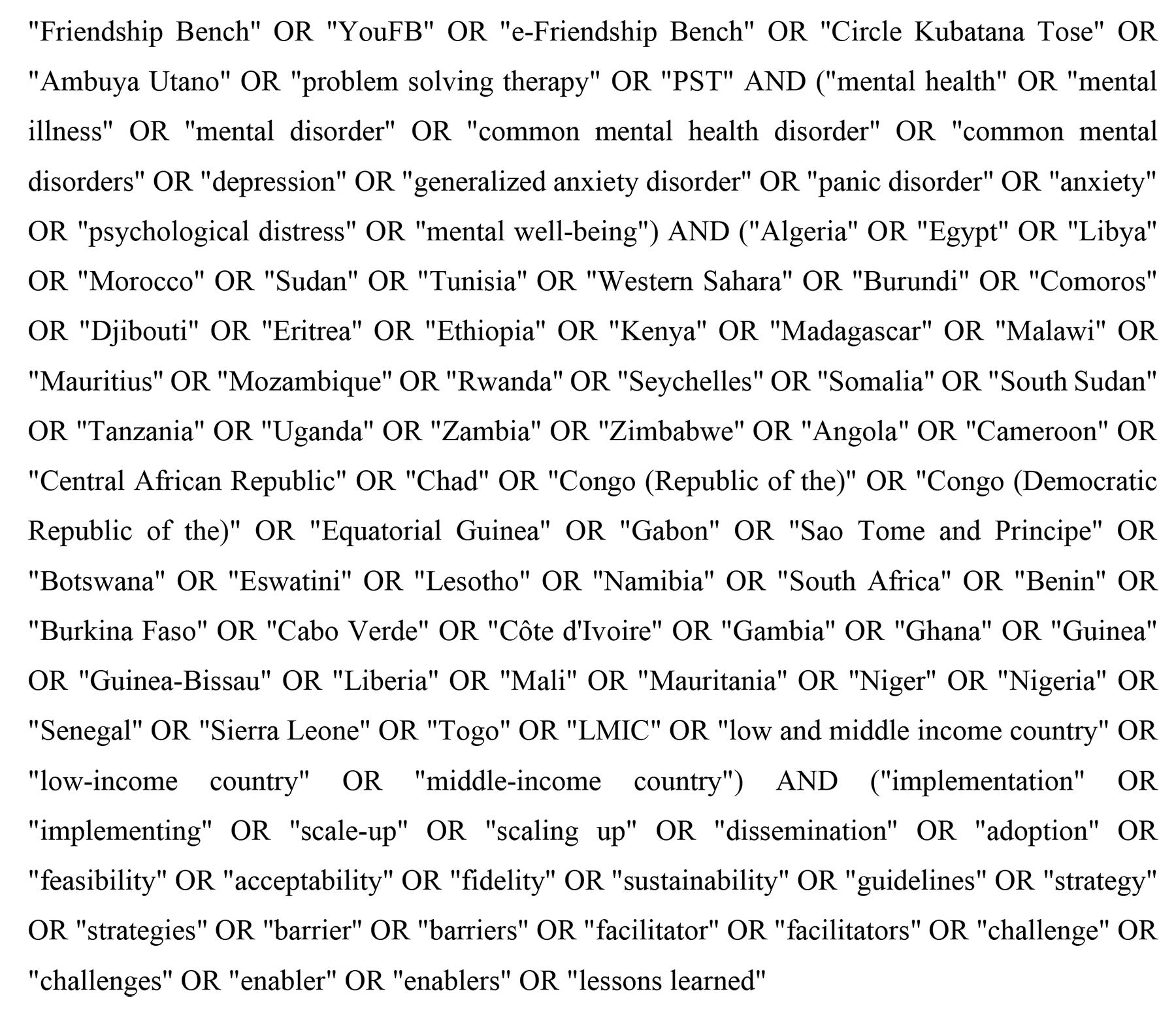
We identified studies by combining medical subject headings (MeSH) and keywords, along with Boolean operators (AND, OR) (Appendix I). We searched the following databases: PubMed/MEDLINE, Embase, PsycINFO, Scopus, CINAHL, African Journals Online (AJOL), and Google Scholar (including grey literature). The article search started in July 2025 and was repeated in September 2025 to capture any additional publications. This systematic review is registered in Prospero (CRD420251116645).
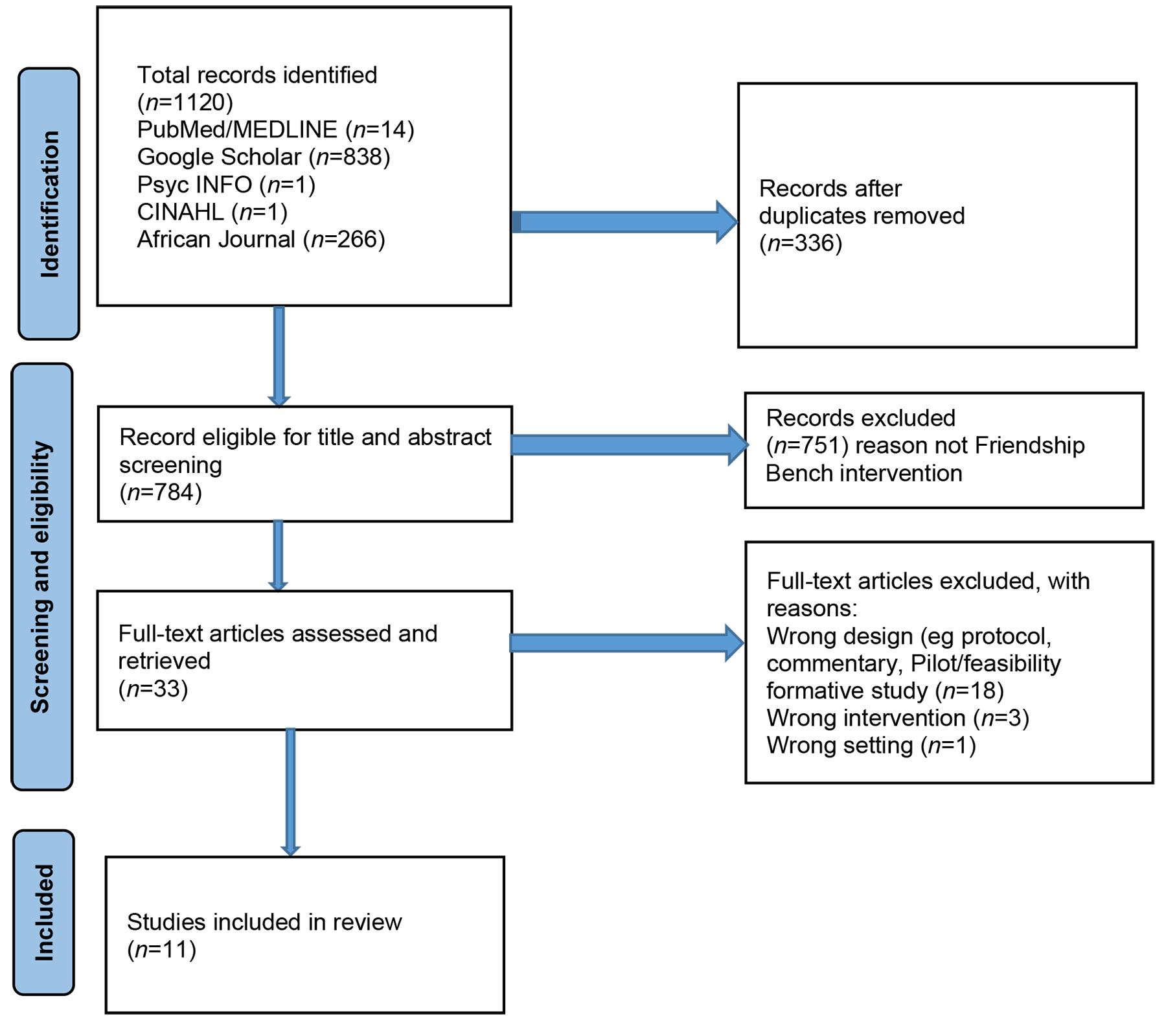 Figure 1: PRISMA flowchart showing article selection process.
Data extraction
Six reviewers completed the data extraction process (AN, OC, OI, ON, VM, PE). Two reviewers (VM, OC) independently searched databases. Results were merged. Duplicates were identified and removed using the conditional formatting function. Unique IDs were assigned. Title and abstract screening was conducted by four reviewers in pairs (VM, OC, OI, ON), and the list was compared and agreed upon by the group. Each article was screened by the pairs who recorded their decisions (including, excluding, or unclear) in the spreadsheet, along with a brief justification for any exclusions. Full-text articles selected for inclusion were reviewed independently by three researchers. Each pair assessed the eligibility independently and recorded their inclusion or exclusion decisions, along with justifications, in the same shared spreadsheet. Discrepancies were resolved through team discussion, with the lead author acting as a tiebreaker. The reviewers extracted the data into a standardized Excel-based extraction form. Reviewers compared entries for consistency and resolved any disagreements through discussion. No bibliographic software was used; all screening and deduplication were performed in Microsoft Excel using conditional formatting functions. A detailed log was maintained for replicability.
Data extracted includes:
- study characteristics (author, year, setting, aim, study design)
- PCC practices. shared decision-making, respect for individual preferences, tailoring care, holistic approaches, and involvement of clients or communities
- implementation strategies (training of lay workers, supervision structures, integration with health services, community engagement, use of evidence to scale up, task-shifting)
- barriers and facilitators (stigma, cultural relevance, infrastructure, community acceptance, finance, logistics, leadership support)
- outcomes (clinical: Patient Health Questionnaire-9 (PHQ-9), remission, disease outcomes (eg viral suppression); implementation: feasibility, fidelity, sustainability, acceptability; PCC-aligned: satisfaction, engagement, perceived respect)
- key takeaways/recommendations (summarize key insights, recommendations for practice or policy, or conclusions drawn by the authors about improving implementation or PCC in the Friendship Bench context).
The review retains the terminology used in the original studies, including community health workers (CHWs), village health workers, lay healthcare workers (LHWs), lay healthcare providers, lay providers, and grandmothers. These labels reflect context-specific cadres with potentially different responsibilities, training, and implementation arrangements. They are therefore reported as described by the original authors rather than being standardized under a single term.
Approach to person-centered care analysis: rationale for an inferential approach
An inferential approach was used for PCC analysis for three main reasons.
First, despite frequent claims in the Friendship Bench literature that the intervention is ‘person-centered’4,18, no included study explicitly defined PCC, used a PCC framework, or administered a validated PCC measurement tool, making an operationalized approach impossible.
Second, inference is an approach in implementation science as a proximal indicator method for examining emergent or under-measured constructs19. Since the included studies did not collect data on the construct of interest, we used proxy indicators for PCC, an approach widely used to assess fidelity and consistent behaviors in implementation science when fidelity is not formally measured20.
Third, to reduce the risk of post-hoc selective reporting, we used six PCC-aligned practices before data extraction: respect/dignity, empathy, shared decision-making, tailoring of care, holistic support (addressing social/economic factors), and confidentiality/privacy.
Hence, our aim was to identify the presence of PCC-consistent descriptions in the literature, not to be a formal assessment of PCC integration.
Quality appraisal
The quality of the included studies was assessed using the Critical Appraisal Skills Program (CASP) checklists21 and the Mixed Methods Appraisal Tool (MMAT) v201821,22. For qualitative studies, we used the CASP Qualitative Checklist; for randomized controlled trials, the CASP Randomised Controlled Trials Checklist; and for cohort or cross-sectional studies, the CASP Cohort or CASP Diagnostic Checklist, respectively. Two reviewers independently assessed the quality of the studies, and disagreements were resolved through discussion and consensus. Each study was rated as high, medium, or low quality based on how well it met the relevant criteria outlined in the checklist (Table 1). Evaluation studies were included and assessed using the same tools, depending on their design.
Table 1: Quality appraisal ratings (CASP/MMAT)3,9,10,12,18,23-28
| Study | Design | Quality rating | Justification |
|---|---|---|---|
| Yanguela et al, 202418 | RCT economic evaluation | High | Clear randomization, fidelity auditing, complete outcome data |
| Simms et al, 202423 | Prospective cohort | High | Clear population, valid measures, low loss to follow-up |
| Haas et al, 202324 | Cluster RCT | High | Large sample, rigorous design, intention-to-treat analysis |
| Verhey et al, 202225 | Retrospective quantitative | Medium | Real-world data but incomplete records for some clinics |
| Healey et al, 20229 | Economic modelling | Medium | Assumptions clearly stated but model not externally validated |
| Ouansafi et al, 20213 | Qualitative | High | Clear methodology, rich data, reflexive analysis |
| Broström et al, 202112 | Qualitative | High | Clear methodology, participant validation |
| Abas et al, 202026 | Secondary data analysis | High | Rigorous statistical methods, clear subgroup analysis |
| Munetsi et al, 201827 | Prospective cohort | High | Clear population, valid measures |
| Chibanda et al, 201628 | Cluster RCT | High | Landmark trial, rigorous methods |
| Chitiyo et al, 202310 | Mixed methods | Medium | Qualitative component strong, quantitative component limited |
CASP, Critical Appraisal Skills Programme. MMAT, Mixed Methods Appraisal Tool. RCT, randomized controlled trial.
Table 2: Summary of included studies3,9,10,12,18,23-28
| Author, year | Country /setting | Aim | Study design | PCC elements | Strategies used | Barriers/facilitators | Outcomes | Key takeaways |
|---|---|---|---|---|---|---|---|---|
| Yanguela et al, 202418 | Malawi – NCD clinics | Compare the cost-effectiveness of basic and enhanced Friendship Bench integration | RCT economic evaluation | Tailored care, provider discretion, holistic NCD integration | Training, enhanced supervision, integration into routine NCD care | Missing depression services, weak protocol adherence; enhanced supervision improved clinic climate | Feasible in 10 clinics; improved remission and engagement; fidelity via auditing | Internal champions decline over time; external supervision improves outcomes but increases cost |
| Simms et al, 202423 | Zimbabwe – HIV Clinics | Assess Friendship Bench impact on viral suppression and CMD | Prospective cohort | Tailored PST, respect, culturally adapted language, peer groups | Lay worker training, task-shifting, supervision, integration | Shortage of counselors, logistics challenges; strong community acceptance and supervision | Reduced CMD; maintained viral suppression; high acceptability | Scalable model for low-resource HIV care |
| Haas et al, 202324 | Zimbabwe – ART Clinics | Friendship Bench effect on ART adherence and CMD | Cluster RCT | Tailoring, holistic (life skills), respect, optional peer groups | Training, nurse-led supervision, facility integration | Ceiling effect, lack of adherence components; strong cultural relevance | High retention and CMD improvement but no ART effect | Mental health benefits strong; needs adherence-specific components |
| Verhey et al, 202225 | Zimbabwe – PHC Clinics | Real-world implementation post-scale-up | Retrospective quantitative | Respect, tailored PST, peer community groups | Lay worker training, peer supervision, PHC integration | CHW overload, inconsistent supervision, weak data systems | Performance varied across clinics | Needs structured data systems, funding and supervision |
| Healey et al, 20229 | Zimbabwe – 36 Clinics | Cost-effectiveness of national Friendship Bench scale-up | Modelling economic evaluation | Tailored PST and peer support | LHW training, supervision, mobilization, integration | COVID-19 disruptions, competing duties | Cost-effective, feasible scale-up | Requires structured training, supervision and funding |
| Ouansafi et al, 20213 | Zimbabwe – Youth PHC | Youth experiences with Friendship Bench | Qualitative | Respect, client-driven counseling, empathy | Lay worker training, safe spaces, PHC integration | Stigma, denial, misinformation; empathy strong facilitator | Improved acceptance, reduced stigma, better adherence | Friendship Bench supports youth acceptance and adherence; need structured disclosure |
| Broström et al, 202112† | Zimbabwe – community | Adolescents%u2019 Friendship Bench experience | Qualitative | Tailored support, shared decisions, holistic, peer groups | Young lay worker training, community engagement outreach | Stigma and privacy concerns, myths, mistrust; peer relatability strong | High engagement and empowerment | Peer model acceptable; requires anti-stigma strategies Feasible; fills youth mental health gaps in LMICs |
| Abas et al, 202026 | Zimbabwe – Friendship Bench trial data | Role of anxiety in recovery | Secondary data analysis | Tailoring for subgroups | Lay healthcare workers | Anxiety delays recovery; culturally validated screening helps | CMD reduced overall; anxiety subgroup slower | Need enhanced components for anxiety–depression subgroup |
| Munetsi et al, 201827 | Zimbabwe – PHC | PST impact on suicidal ideation | Prospective cohort | Respect, confidentiality, shared decision-making | Lay workers, supervision, peer groups | Low male participation; cultural fit helps | Reduced CMD symptoms; feasible | Adapt model for male engagement |
| Chibanda et al, 201628 | Zimbabwe – community and PHC | Evaluate LHW-delivered Friendship Bench | Cluster RCT | Shared decisions, holistic, tailored support | Training, supervision, integration, community engagement | Gender barriers; high fidelity | Reduced CMD; scalable and acceptable | Strong model for PHC integration |
| Chitiyo et al, 202310 | Zimbabwe – PHC | Identify barriers and enablers | Sequential mixed methods | Tailored, culturally relevant support | Training, two-tier supervision, engagement | Weak supervision, unclear roles, low incentives | Feasible but variable | Requires clear planning and leadership involvement |
† YouFB.
ART, anti-retroviral therapy. CHW, community health worker. CMD, common mental disorder. FB, Friendship Bench. LHW, lay healthcare worker, LMC, low- and middle-income country. NCD, non-communicable disease. PCC, person-centered care PHC, primary health care. PST, problem-solving therapy. RCT, randomized controlled trial.
Synthesis methods
A narrative synthesis was used to present the results. The data were coded inductively and grouped into themes corresponding to the review objectives. Findings were grouped into the following categories: study characteristics, implementation strategies, barriers and facilitators, integration of PCC, opportunities for strengthening PCC, cross-cutting themes, and contextual insights.
Results
These findings describe PCC-aligned practices as no included study explicitly operationalized or measured PCC using a validated tool. This systematic review included 11 studies that evaluated the implementation of the Friendship Bench intervention across different clinical conditions, populations, and settings in Malawi and Zimbabwe. The studies employed a range of methodologies, including cluster randomized controlled trials11,18,24,28 and different non-randomized controlled studies, including two prospective cohort studies3,27, two economic evaluations9,18, a mixed-methods implementation study8, quantitative observational implementation evaluations, and one secondary data analysis25,26, as well as two qualitative studies3,12. Most of the studies were appraised as being of high quality, with three assessed as medium quality12,25,27.
The studies assessed a diverse population with common mental disorders in primary care clinics. Two studies focused specifically on adults living with people who had comorbid common mental disorders (depression/anxiety24,26). Two focused on adolescents and young people6,7 and one focused on adults with non-communicable diseases and depression only15. All interventions were delivered to public primary healthcare clinics, except those for the youth, which were adapted to community-based settings such as schools and parks.
To avoid conflating distinct outcome types, we reported findings into three domains (Table 3).
The narrative synthesis below integrates these domains thematically, but the discussion distinguishes between them.
Table 3: Study domains and definitions
| Domain | Definition | Contributing studies |
|---|---|---|
| Clinical outcomes | Changes in symptoms (PHQ-9), remission, viral suppression, ART adherence | Yanguela et al, 202418; Simms et al, 202423; Chibanda, et al 201628; Haas et al, 202324; Verhey et al, 202225; Ouansafi et al, 20213; Abas et al, 202026; Munetsi et al, 201827 |
| Implementation outcomes | Feasibility, acceptability, fidelity, reach, sustainability, cost-effectiveness | All 11 studies |
| PCC-aligned practices | Descriptions of respect, empathy, shared decision-making, tailoring, holistic support, and privacy | Yanguela et al, 202418; Simms et al, 202423; Chibanda et al, 201628, Haas et al, 202324; Verhey et al, 202225; Ouansafi et al, 20213; Broström et al, 202112; Munetsi et al, 201827; Chitiyo et al, 202310 |
ART, anti-retroviral therapy. PCC, person-centered care. PHQ-9, Patient Health Questionnaire-9.
Integration of person-centered care in implementation
Different PCC elements were described in the Friendship Bench intervention.
Respect for individual preferences: dignity and empathy
The problem-solving therapy framework is the cornerstone of care in the Friendship Bench and is demonstrated to respect clients’ autonomy as central to Friendship Bench delivery across all studies3,4,9,11,12,18,23-25,27,29. Dignity was a core PCC principle reported in the studies12,18,23,24,27. The studies showed that respectful PCC communication and allowing patients to choose among the options provided were central to ensuring their engagement. Participants' dignity was also ensured, with confidentiality and privacy maintained. Confidentiality and privacy were noted as PCC strategies that, if not ensured, could be a barrier to access to the intervention4,26,27. Ensuring privacy in one-to-one sessions was described as enabling perceived respect and engagement. This strategy was linked to satisfaction with care provision and perceived respect27. Implementation strategies consider confidential one-to-one sessions central to addressing privacy concerns27. One study reported low male participation due to poor health-seeking behavior, competing responsibilities, cultural norms, and stigma. It acknowledged the limitation in male involvement, recommending adapting training needs to overcome this barrier27.
Respect, along with empathetic communication, was framed as a mechanism that facilitates openness and therapeutic alliance3,12,18,27. This also led to retention in the program and satisfaction with the intervention12. Some studies specifically cited that one-to-one respectful sessions improved satisfaction/engagement12,27. According to the studies, the training of peer educators emphasizes communication skills and respectful practices, which are key to ensuring this principle. Additionally, supervision was essential in ensuring respectful behaviors were consistently maintained4,9. This empathetic approach was foundational to building trust and making clients feel respected and understood, a crucial aspect that ensured retention and the success of the intervention among adolescents12,27. For adolescents living with HIV, the intervention effectively fosters trust, alleviates feelings of isolation, and equips them with practical problem-solving skills and a sense of hope for the future12. It also plays a pivotal role in helping them accept their HIV status, an essential step toward improving adherence to antiretroviral therapy3.
Holistic approaches
The Friendship Bench explicitly addressed the interconnection between mental, physical, and social wellbeing3,11,18,23-25. Most studies acknowledged the importance of integrating mental health care with other services. Specifically, it was used for people living with HIV and those with non-communicable diseases3,18,26. Other studies have integrated the psychosocial and economic determinants, such as poverty and unemployment, in the provision of care12,24,25. Training in income-generating activities (eg crocheting bags from recycled plastic, community gardening) was employed24,25. Integration was operationalized by embedding activities into the clinic routine and by ensuring staff were trained. This ensures feasibility and a more straightforward scale-up18,24.
Involvement of clients and communities
The studies reported emphasized client/community involvement as central to the provision of problem-solving therapy3,4,10,11,18,23-27. These studies emphasized the client and community involvement as a collaborative process with distinct roles. For example, clients acknowledged the challenges they faced and identified potential solutions, while community support was offered in the form of peer groups to support their choices. This strategy led to higher satisfaction, acceptability, and reach/uptake11,12. Some studies reported that this approach led to perceived respect and acceptability of the interventions27. The intervention used a co-designed strategy that ensured an inclusive approach, fostering a sense of belonging and a normalized experience11. The motivation, buy-in, and local ownership strongly influenced implementation fidelity, thanks to local leadership support that heightened perceived relevance4,23. However, low incentives for lay providers, weak stakeholder engagement, and competing workload limited clients and community involvement23.
The use of peer support groups and community outreach facilitated mutual support and shared coping strategies that improved acceptability among youth11,27. The use of ‘buddies’ and peer support in income-generation peer activities promoted psychosocial support and accessibility (eg reaching adolescents in community spaces. These strategies promoted satisfaction, reduced self-stigma, and increased uptake3,11,30. The use of peer support was implemented in conjunction with lay worker models and community outreach.
Tailored care: cultural relevance and language adaptation
The use of local languages, idioms, and other culturally adapted tools was central to ensuring the cultural relevance and acceptance of the intervention4,9,10. This ensured the improved acceptability and feasibility of the intervention among participants10,23. To ensure cultural relevance, the training implementation content was co-designed with community members. Additionally, the training materials, screening tools, and instruments were adapted and translated to align with the local context. To ensure tailored care, lay healthcare workers were trained to use culturally adapted approaches and tools. For example, problem-solving therapy translated into Shona/local idioms improved engagement and perceived relevance4,10,27. One study specifically noted that grandmothers’ empathy and non-judgmental attitudes created a safe space for disclosure and trust4.
Implementation strategies, barriers, and facilitators
The implementation of the Friendship Bench relied on several core strategies, with variability in their application impacting overall success.
Supervision structures and support
Several studies have reported on the element of supervision structures and support3,4,9,10,12,18,25. Supervision that included feedback loops and peer monitoring improved and sustained the intervention's fidelity, feasibility, and participant satisfaction21,27. This feedback was bidirectional: supervisors provided performance feedback to lay workers, and lay workers reported implementation challenges back to supervisors, enabling iterative problem-solving. To ensure structure supervision, programs that built peer supervision or formal supervisory roles into task-shifting models sustained delivery better12. Structured regular supervision also ensured better delivery, improved the confidence of lay workers, and enhanced program fidelity4,12,23.
However, investing in a supportive system was reported to be cost-intensive, 65usd/daily under the willingness-to-pay threshold18.
On the other hand, weak supervision of the intervention resulted in inconsistent delivery and reduced client reach25,26. For example, some studies reported that a barrier in the intervention scale-up in Zimbabwe was the lack of clarity in supervisory roles and a reduction in support post-handover from research to routine care, leading to variable performance across clinics10,25.
Only one study19 systematically audited fidelity to the problem-solving therapy model using session checklists. The remaining 10 studies assumed treatment fidelity based on training completion alone, without verifying that lay workers delivered problem-solving therapy as intended.
Integration of health services and community engagement
Peer support and community engagement increased acceptability, particularly among youth4,11,23,27. Additionally, these strategies resulted in a higher uptake and greater participant satisfaction. The implementation also leveraged a task-shifting approach, which increased access to care. Furthermore, using peer support groups in the intervention served as both a delivery channel and a retention strategy4. Strategies for successful integration involved collaboration to ensure Friendship Bench services within the existing clinic and establishing bidirectional referral pathways between lay healthcare workers and clinic nurses10. These strategies also resulted in programs experiencing a higher uptake and greater participant satisfaction. Also, the implementation strategy leveraged a task-shifting approach, which expanded access and increased coverage. Using peer support groups in the intervention served as both a delivery channel and a retention strategy4. Strategies for successful integration involved collaboration to collocate Friendship Bench services within the existing clinic and establishing bidirectional referral pathways between lay healthcare workers and clinic nurses10.
Integration in existing clinic structure
Integrating the intervention within the existing clinic activity improved coordination, referral, and sustainability4,9,12,23. On the other hand, implementations that were not integrated into the existing system limited coordination and follow-up, with lower feasibility and poor linkage4,23. Some studies reported a high drop-off and no significant improvement in the outcome12. An integral part of effective integration was considering the context and processes surrounding it17. For example, the success of high-performing clinics was characterized by strong communication, effective feedback loops, leadership support, and a sense of inclusion among staff25. Some studies also reported integration of the data system to improve monitoring and sustainability. This made it easy to track cases and measure reach, suggesting it as a necessity for scale-up25. Integration was often paired with training and supervision9,12,23.
Use of evidence-based and structural scale-up strategies
The use of evidence-based and structural strategies was a notable method that informed the scale-up. These strategies included standardized training, task-shifting to lay workers, regular supervision, integration into primary care, policy engagement, and cost-effectiveness analyses4,9-12,25-27,29. Rigorous training of the lay healthcare workers was fundamental to the success of the intervention4,23-25. This enabled the task-shifting approach, as it ensured that providers had required skills and roles that were well defined. One study reported short one-off training as being related to ceiling effects and poorer detection of benefit24. This further limited the observed impact of the intervention, with one study recommending the careful selection and monitoring of outcomes24. Rigorous and continuous training improved the intervention's fidelity, health outcomes, and quality4,23.
Studies that paired training with supervision or refresher sessions maintained quality longer9,12. These studies also performed evaluations to inform scale-up decisions. Overall, this strategy improved reported adherence to mental health treatment and fidelity in support3,18,24. The use of m-health and data-driven measurement was reported as an enabler25,26. Cost-effectiveness resulted in supported arguments for structural scale-up in specific settings9.
Task-shifting, workload, and competing demands
In all studies, lay healthcare workers were recruited from the local community, bringing familiarity with local language, customs, and social structures. Despite variations in training intensity (youth peer counselors received more comprehensive initial training than adult CHWs), the task-shifting approach was feasible and acceptable across all study contexts. However, direct comparisons of acceptability by training type were not possible.
The task-shifting approach was a key foundation for the intervention delivery9,11,25. This included grandmothers for general adult populations, existing CHWs integrated into primary care, and young peers (often psychology students) for adolescents. For the youth population, YouFB buddies receive more comprehensive initial training than standard Friendship Bench CHWs, who sometimes receive only a refresher course11. This strategy was found to be highly feasible and acceptable across all studies, making the intervention scalable in low-resource settings. However, studies have reported that high client loads reduce the time per session and lower fidelity, thereby reducing the effect size and the reach of the intervention23,25. Also, the use of task-shifting without clear role definitions/protection led to CHWs shifting from their primary duties. However, the allocation of a specific time and an adjusted caseload maintained fidelity5. In one study, achieving cost-effectiveness with task-shifting was feasible, requiring only 10 patients per lay healthcare worker per year; however, training, integration into primary care, and supervisory structures must be put in place9.
One study highlighted that co-morbid anxiety and complex clinical presentations challenged lay worker capacity and routine delivery, recommending those with co-morbid conditions as a subgroup for whom standard problem-solving therapy may be insufficient26. One study found improved mental health outcomes and reduced viral load12. However, another study showed that the effect lasted only 3–9 months and disappeared by 12 months, with no change in PHQ-9 scores. This decline was linked to high baseline rates (ceiling effect) and the absence of skill-based adherence training in the intervention23.
Stigma
Stigma was a major barrier to the intervention's uptake3,11,12,27,29. This took different forms, including community myths and internalized stigma, limiting uptake and disclosure. Some studies reported that stigma limited recruitment, lowered engagement, especially from males, and hence reduced the observed effectiveness in some sites3,4,27. However, three mechanisms appeared to mitigate stigma within the Friendship Bench model:
- The use of a cultural adaptation strategy mitigated stigma in some studies, improving uptake11. Low male participation was reported25,31, with men citing competing work responsibilities, cultural norms discouraging emotional disclosure, and a preference for male counselors. No study systematically evaluated male-targeted recruitment or adaptation strategies. This was primarily achieved through community sensitization and the use of culturally adapted screening tools. According to some studies, adaptations to local preferences increased acceptability, especially among adolescents, promoted perceived respect for individual preferences, improved engagement, and satisfaction23,26.
- Confidential one-to-one sessions on the bench or at home allowed controlled disclosure, reducing fear of public identification3,27.
- Finally, peer support groups normalized mental health struggles through shared experience, particularly for adolescents3,12.
The use of data-driven implementation science approaches has been reported as an essential strategy to diagnose local barriers and select tailored strategies to optimize real-world performance and ensure equity in service delivery25.
No study explicitly tested these mechanisms or used a validated stigma measurement tool. The extent to which Friendship Bench reduces stigma rather than merely circumvents it remains unknown.
Logistics and contextual factors
Logistical issues were reported mainly as challenges that could reduce intervention reach and dosage3,9,24. Logistical challenges reported included staff turnover, transport and clinic space constraints, supervision gaps, supply and scheduling problems. These constraints, however, reflect local limitations in the health system rather than the intervention design11,25. Training and stronger supervision, along with scheduling adaptations, mitigated logistical problems25,26. Also, task-shifting reduced some transport and staffing bottlenecks, but increased the need for supervision and supply management10,12. Another factor that created a logistical gap was the presence of contextual challenges, such as the severe cholera and COVID-19 outbreaks, which disrupted the YouFB randomized controlled trial, leading to a high loss to follow-up11. This highlights the vulnerability of such programs to external shocks. One study recommended the need to developed a tailored intervention for adolescents to avoid trauma of late or accidental discovery that occurred because of logistical gaps3. Logistical investment was framed as a prerequisite for sustained adherence gains9.
Discussion
This review synthesized evidence from 11 articles on the implementation of the Friendship Bench model in Africa. Our Africa-wide search identified only two countries (Zimbabwe and Malawi) with full implementation studies of the Friendship Bench, with most studies conducted in Zimbabwe. Pilot and feasibility studies have been conducted in Kenya, Sierra Leone, and South Africa25,30,31, but these did not meet our inclusion criteria for full implementation reporting. This evidence is not a weakness in our search strategy. Instead, it highlights an important gap: although the Friendship Bench is promoted as a scalable intervention for African health systems, rigorous implementation research beyond Zimbabwe and Malawi is almost non-existent. This gap is striking, as the Friendship Bench website lists Lesotho, Botswana, Kenya, and Zanzibar among the sites where the model has been piloted32. Yet, to date, no peer-reviewed studies have been published on their scale-up. This may be interpreted not merely as an absence of implementation, but also through the lens of research and publication equity. The Friendship Bench studies in Zimbabwe benefit from sustained research infrastructure and international partnerships that are not equally available elsewhere. Research from other settings, especially rural settings, may face barriers such as article processing charges, limited methodological support, and/or implementation data may remain in grey literature (program reports) never captured by academic databases. However, this lack of published evidence may reflect limited dissemination, inadequate evaluation funding, or publication bias. Future research should prioritize implementation studies of the Friendship Bench in West, Central, North, and East African countries before claims of ‘African’ scalability can be substantiated. Whether this reflects limited dissemination or limited evaluation in other countries remains unknown.
The studies used different designs and were done across diverse populations, including those with comorbidities such as non-communicable diseases and HIV. Most studies reported that the Friendship Bench is feasible, acceptable, and effective in improving mental health outcomes, particularly for people living with HIV, adolescents, and adults with common mental disorders. The integration of PCC principles, cultural adaptation, structured supervision, and system integration was crucial to the successful implementation.
Generally, the Friendship Bench design strength lies in its person-centered approach, which relies on trust, and its community-embedded structure for cultural adaptation. The intervention emphasized empathy, respect, and trust, creating a safe space for disclosure and support11,27,29, thus increasing recipients' engagement and retention in care4,26,27. According to the study, the intervention consistently demonstrates that the Friendship Bench significantly reduces symptoms of common mental disorders (like depression and anxiety) in both adults and adolescents4,23,26. For people living with HIV, the intervention did not improve anti-retroviral therapy adherence or viral suppression due to a ceiling effect and the lack of specific, skill-based adherence training24. This is a crucial finding for managing expectations when integrating mental health into chronic disease care.
The use of lay healthcare workers in the intervention ensured accessibility to care that aligned with the clients’ lived experiences. This, along with its grounding in local culture, trust, and community engagement6,8, offers valuable insights for rural health strategies. This strategy is valuable in reducing stigma and encouraging participation among rural dwellers (especially females) who fear gossip or social repercussions8. The use of local languages and the flexibility in care individualization fit rural realities and household contexts26. The model emphasizes empowering clients to solve their own problems and includes peer-led support groups, which foster social connection and the sharing of skills8,24. This highlights the importance of trust, cultural adaptation, flexibility, and community engagement as principles that can inform future rural health strategies across diverse settings. For adolescent populations, however, there was a strong preference and better engagement with peer counselors (‘buddies’) compared to adult lay healthcare workers, especially for young men when discussing sensitive topics3,10.
The intervention has been scaled within Zimbabwe's national primary healthcare system15. However, the sustainability of scale-up is consistently hindered by the fragility of the health system, for example inadequate funding, the emergence of external shocks, logistical challenges, and persistent mental health stigma12,27. Maintaining the standard of the intervention depended on the quality of supervision, feedback, and continuous support4,23. The enhanced strategy with external supervision was more cost-effective than the internal champion model (supervision provided by clinic staff without external funding or dedicated supervisory time), achieving greater depression remission and disability-adjusted life year reduction at a cost of approximately US$65 (approx. A$93) per patient, within standard cost-effectiveness thresholds18. Lack of integrated data was a major factor threatening the sustainability of the program, along with inadequate incentives for lay healthcare workers, competing priorities for lay healthcare workers and their duties, and weak leadership and supervision25. Additionally, scaling up the intervention was cost-effective when serving approximately 10 patients per lay healthcare worker each year9. However, poor fidelity was noted when interventions were one-offs or had weak supportive structures18,27. This shows that the basic internal champion model lost effectiveness, while the enhanced supervision arm sustained it. The use of a culturally and contextually adapted problem-solving therapy was the major strength of the intervention. Use of the local language and grandmothers' trust was perceived as relevant and appropriate for the adults receiving care for common mental disorders4,33. However, limitations to implementation still existed. These included stigma and gender norms, and poor care-seeking behavior among males, which restricted participation23,27. The persistently low male participation across studies3,11,12,27,29 may reflect a fundamental limitation of the grandmother-delivered Friendship Bench model. Future adaptations should test gender-matched or male-only Friendship Bench variants.
The study also highlights that system-level factors shape outcomes following integration. Integration strategies that leverage already existing systems and are well-codified showed continuity and sustainability4,11,26,27. This was primarily due to the reliance on data to inform evidence-based decisions during the intervention4,18. Task-shifting was also reported as a strategy that made delivery feasible, although some studies reported stretched workloads9,27. Adjusting caseloads, providing clear role definitions, and conducting refresher training helped sustain high-quality delivery9,18.
Although not a primary outcome of our review, cost-effectiveness data from one study24 are reported as exploratory findings. Despite the claimed cost-effectiveness of the Friendship Bench, evidence of its adoption in other African settings is limited – most published studies (including systematic reviews) on the Friendship Bench are from Zimbabwe13,24. This limits the effectiveness of understanding and adaptability in other areas. Additionally, challenges persist regarding feasibility and sustainability in rural settings, with studies recommending more robust pilot and adaptation phases to ensure that interventions are contextually appropriate6,7,13. Additionally, challenges persist regarding feasibility and sustainability in rural settings, with studies recommending more robust pilot and adaptation phases to ensure that interventions are contextually appropriate6,7,13. Studies have stated that there are barriers – including limited funding, infrastructure, and trained researchers, as well as sociocultural stigma and policy neglect – limiting its implementation across Africa and within rural communities34.
A critical limitation of the existing literature is the near-absence of fidelity monitoring – only one study19 reported systematic fidelity assessment. Task-shifting interventions may drift from original protocols over time, especially when supervision is weak30. This is important as we cannot ascertain outcomes of the intervention without fidelity data. Hence, it is unclear if the poor clinical outcome noted (eg anti-retroviral therapy findings)24 is due to poor delivery or ineffectiveness of the intervention. In addition, this study noted implementation barriers such as stigma, lack of or low incentives, logistical challenges (including transportation and space), inconsistent funding, disrupted continuity, lack of integrated data, and competing priorities of healthcare workers4,25-27. External shocks, including cholera and COVID-19, exposed the intervention to fragility4,27,27. Ensuring data-driven decision-making, integrating the Friendship Bench into the system, providing policy support for the intervention, and ensuring consistent supervision and resources for community-based delivery can mitigate these barriers.
A similar review to assess implementation outcomes (acceptability, feasibility, fidelity, sustainability) of the Friendship Bench has been conducted13. This review examines how implementation strategies and PCC-aligned practices contribute to these outcomes. Together, the two reviews complement each other.
Conclusion
The Friendship Bench intervention has proven effective in Zimbabwe and Malawi. PCC is a central component of the intervention, which, when paired with robust supervision systems and integration into local health and community structures, proves effective. However, when using the model for comorbid cases, it needs to be enhanced to cater to anxiety-focused components with skill-based adherence counseling components to ensure PCC. Future Friendship Bench implementations should incorporate routine fidelity tools (eg session audio recordings, checklist-based observations) as a standard practice to determine whether the model is effective and appropriate for clinical and implementation outcomes and integrates PCC principles. Implementation may include funded external supervision, data-driven planning, and formal support, along with fair incentives for lay healthcare workers. Youth-specific peer-delivered models and strategies targeting male engagement should be prioritized to expand reach. When these are aligned, the Friendship Bench model improves access, engagement, and outcomes. Where they are weakened, delivery and fidelity suffer. Future studies should adapt this model to various African settings, accounting for local systems, patient needs, and care models. In addition, further research on its adaptation and integration into systems is needed to maximize its impact across rural Africa. Applying PCC frameworks may enhance client participation in service design and help narrow the global rural mental health treatment gap. Given that only 12 studies from two countries were included, and few findings have been independently replicated, our recommendations should be considered preliminary.
Limitations
All 11 studies originated in Zimbabwe (n=10) and Malawi (n=1), which limits generalizability to other African regions (West, Central, North, and East Africa). However, this also highlights an opportunity to adapt the intervention to other African settings, thereby enabling broader applicability and a stronger evidence base across diverse contexts.
It is worth stating that, for this review, the PCC analysis was inferential. We extracted descriptions of practices consistent with PCC principles, but we cannot determine whether these practices constituted intentional PCC integration or occurred incidentally. Future primary studies should use validated PCC measurement tools to enable more rigorous synthesis.
The variations in design and outcome measures hindered cross-study comparison. Limited evidence on long-term sustainability reduces confidence in the intervention’s cost-effectiveness. Future work should evaluate the cost-effectiveness and scalability of interventions across the long term and across diverse contexts and health systems.
Funding
The research was conducted as part of the authors' academic and professional activities and did not receive any funding.
Conflicts of interest
The authors declare no competing interests or conflicts of interest related to this study.
AI disclosure statement
Artificial intelligence tools (Grammarly) were used solely to assist with language editing and improving the clarity of the manuscript. The authors have reviewed the AI changes and take full responsibility for the final published work.
References
appendix I:
Appendix I: Proposed search terms
You might also be interested in:
2014 - Differences in media access and use between rural Native American and White children
2011 - Attitudes of GPs towards Older Adults Psychology Services in the Scottish Highlands