



 download PDF
Introduction
The health of regional, rural and remote (henceforth ‘rural’) communities is a key priority for health system reform across Australia due to inequitable healthcare access and complex community needs. These challenges are compounded by insufficient local service provision and long distances to access care1, which extend beyond the burden of disease to include the impact of social determinants of health2. As a result, rural Australians experience disparities in healthcare affordability, longer wait times, and reduced access to health care, leading to higher rates of preventable hospitalisations1. In Australia, burden of disease varies with remoteness, and people living in rural areas are more likely to die from preventable causes compared to those living in major cities3.
Replicating metropolitan healthcare models in rural areas is often ineffective due to differences in demographics, workforce availability, infrastructure, and community needs4,5. Population health and health services research are vital for strengthening health systems at both local and broader levels, as they provide evidence-based insights into system functioning and identify opportunities to improve efficiency and performance. Such research ultimately contributes to better population outcomes and can inform policy by aligning health services provision with community needs6,7. Consumer involvement is critical in translating lived health and service needs into research priorities, as these needs are related but not directly interchangeable. Studies suggest involving communities in health reform and research prioritisation to address these disparities is vital8. Engaging consumers in research prioritisation ensures that emerging research questions remain grounded in real-world experience and are perceived as relevant to policy and practice. However, people from rural areas have often been left out of consumer and community involvement initiatives in health research9. Despite the growing expectation from funders and from the community for health and medical research to include people with lived experience as partners throughout the research cycle, genuine involvement of rural consumers remains limited10. It is important to overcome this gap as opportunities to build relationships between researchers, health consumers, and community members are recognised as key enablers7 to sustaining rural health research9,11.
To support consumer and community involvement in rural health research, a consumer roundtable event was hosted by the University of Queensland Consumer Network in early 2024. The event was held in Dalby, a small rural town with approximately 13,000 residents in the Western Downs region of Queensland, surrounded by communities such as Toowoomba, Oakey, and Chinchilla12. Dalby is classified as Modified Monash Model (MMM) category MM 4, indicating limited access to healthcare services13. Local services include two GP clinics, an Aboriginal Medical Service, Dalby Hospital, dental clinics, allied health providers, and pharmacies. Access to medical specialists is scarce and most hospital doctors are rural generalists14. This event aimed to bring researchers to the rural consumer table to seed relationships, explore emerging issues and possible shared priorities for future research, with the ultimate and indirect goal of promoting long-term improvements in health service provision.
Acknowledging the time required to bridge gaps between community needs, health services research, policy change, and service improvement, this study has two aims. First is to identify consumer priorities concerning rural health research in Queensland. Second is to describe the process of a novel consumer roundtable approach to promoting rural Queensland consumers’ involvement in health research, and to provide recommendations to support the planning of similar initiatives.
Method
Study design
We used an adaptation of the World Café method15,16 to facilitate dialogue, explore topics of importance to local community members, and encourage connections between researchers and healthcare consumers. World Café is a flexible, bottom-up participatory research method widely used to capture people’s lived experiences and varied perceptions16, and to find sustainable solutions to global challenges15. Event leads (JM, AB, BJ) were experts in consumer and community involvement, with extensive experience in planning and conducting workshops, one with an academic background (BJ) and two professional consumer and community involvement staff (AB, JM).
Sampling and recruitment
Convenience, purposive, and snowball principles were used for sampling and recruitment of participants to the 2024 consumer roundtable17. Consumers were invited to participate in a two-way process. First, an invitation to register for the event was circulated by email list to consumer networks, including Health Consumers Queensland and the University of Queensland Consumer Network in Health Research. Second, a local community member (WM) was recruited to distribute flyers and posters to local organisations and meeting places (eg library, country local association, community boards, shopping centre, healthcare providers) and promote the event by word of mouth among the community. Distributed flyers and posters contained a QR code to register for the event and contact details for further information. Interested people were directed to the participant information sheet, demographic and pre-survey form hosted on the Qualtrics survey platform (https://www.qualtrics.com). A paid advertisement on Dalby and surrounding towns’ community Facebook pages and a public radio announcement were also part of the recruitment strategy. People who emailed or sent a Facebook message were called back and registered over the phone by event leads (AB, JM).
All consumers who expressed interest were invited to attend the workshop and offered an A$100 gift card to acknowledge their time and contribution. Gift cards were provided to consumer participants on the day at the event to enable immediate payment and avoid delays associated with bank transfers.
Academics were invited to attend the 2024 Consumer Roundtable by emails circulated to research chairs across both University of Queensland’s Faculty of Health and Behavioural Sciences and the Faculty of Medicine. The selection of attendees was based on rural health research interest, representation across organisational units, as well as maximising gender and cultural diversity. Reimbursement of travel expenses was negotiated with each participant, on a needs basis. An A$50 gift card to contribute towards out-of-pocket expenses incurred to attend the event was given to attendees on the event day.
Initially, the consumer roundtable was planned for November 2023, and the first wave of recruitment happened from August to October 2023. Due to bushfires in the region18, the event had to be postponed. It was rescheduled for mid-February 2024, and a second recruitment wave happened in January and the start of February.
World Café method
The consumer roundtable event was scheduled to take approximately 4 hours, and activities were planned based on the following five World Café design principles19.
1. Setting the context and creating a hospitable space
The event was held in a large hall of the main local events centre and included round tables, chairs, and refreshments. Stationery materials (eg butcher’s paper, coloured pens, sticky notes) were provided to record discussion points and ideas.
2. Welcome and introduction
Attendees listened to three presentations of approximately 15 minutes each throughout the event (two at the beginning and one before the harvest of ideas, item 5) to inspire and stimulate following discussions. Topics presented included consumer involvement in rural research, challenges and solutions for rural health care, and how telehealth can make a difference.
3. Small group rounds
Participants were invited to take part in three 20-minute rounds of consumer-led small group discussion, each with a different focus question. Each table was planned to have approximately four or five consumers and two or three academics, totalling eight tables. One consumer attendee per table was asked to act as table host and remain at their chosen table for each round of discussion. Table hosts received a briefing document and on-the-day support from experienced consumers (JT and AC). Their role included welcoming attendees, summarising previous groups’ ideas during the second and third discussion rounds, encouraging participants to record ideas on butcher’s paper, actively contributing to discussions, and supporting quieter voices to participate. To maximise participation and cross-pollination of ideas, consumers remained on their tables and academics rotated around tables at the end of the first and second rounds.
4. Questions that matter
Four consumer consultants (WM, JT, AC, and a consumer who chose to remain anonymous and is not listed as an author) met with an event lead (JM) to design recruitment strategies, plan the event activities, and develop four focus questions, one for each round of discussion and the last for the harvest of ideas. Questions for the small group rounds were as follows:
- What does regional and rural health care look and feel like?
- What unique health challenges and innovations have you experienced or seen in your community?
- How can the health system better respond to the needs of your community?
5. Harvest of ideas
Following these three rounds of small group discussions, a whole group discussion to share ideas and directions was facilitated by event leads (JM, BJ). JM displayed the butcher’s papers on the wall and summarised the main topics discussed in each round of discussion, reporting back to all attendees at the end of the three rounds to prompt further cross-pollination and idea generation, introducing the harvest of ideas. BJ led the discussion open to all participants, focused on the consumer-designed question, ‘What do consumers want rural and regional health research to investigate next?’
Data collection
Demographic data
When individuals consented to participate, they were immediately asked to answer demographic and perceptions of consumer and community involvement questions (Appendix I), either online or in paper format, depending on how they signed the consent form. Perceptions of consumer and community involvement response options were based on a five-point Likert scale ranging from ‘strongly disagree’ to ‘strongly agree’.
World Café roundtable discussions
Roundtable discussions were not audio-recorded, to encourage free, open, and spontaneous sharing and participation. All handwritten notes produced by attendees on posters were collected, and personal notes made by investigators (JM, BJ) during and after the discussions. A graphic artist (recorder) was engaged to capture small and large group discussions in real time and reflect them back to the group in the form of a mural. Participants reviewed the images and summary, providing feedback to verify and ensure data accuracy during the event. After the discussions, BJ led a review of the artwork and collective summarisation of the main topics. Two consumer consultants (AC, JT) closed the day by reflecting on the discussions and offering attendees practical tips on how to move forward.
Follow-up survey
Two days after the event, attendees were emailed an anonymous feedback survey (Appendix II). The same pre-survey questions on perceptions on consumer and community involvement were asked again to researchers and consumers. These questions address consumer involvement in research, their role in shaping health studies, confidence and readiness for collaboration, and the value of lived experience. Investigator notes and descriptions of the graphic recording were used to set a list of research priorities, and consumers were invited to a priority-setting exercise, by selecting and ranking, in order of importance, their top three ideas.
Data analysis
Demographic data and follow-up survey
Participant demographic data were analysed using descriptive statistics in Microsoft Excel, presented as counts and frequency. Perceptions on consumer and community involvement were also analysed using Excel, and Likert scale responses were plotted in a stacked bar chart.
World Café roundtable discussions
Participants’ handwritten notes from the butcher’s papers were transcribed into an Excel spreadsheet, separated under each focus question and subject to conventional inductive content analysis20. Codes and code descriptions were attributed to each of the lines of text and a summary category combining related codes and code descriptions was produced. For example, codes such as lack of local resources, continuity of care, sustainability, access to technology, and knowledge of local services were all combined and summarised under the category ‘lack of local resources and awareness of available healthcare services’. The graphic record of the discussions was also integrated into the analysis and cross-referenced with the raw data and identified categories in the Excel spreadsheet, with the goal of identifying shared ideas and research priorities. Extracts reproduced exactly as they were written by participants are reported in quotation marks (eg ‘It all comes down to the dollar’). Rigour was ensured through a systematic approach to analysis20, with all authors present at the event providing contextual understanding, multiple researchers contributing to coding and category development, and thorough documentation supporting transparency and credibility of the findings21.
Priority-setting exercise
Using the graphic records and harvested ideas, investigators compiled a list of 17 priorities, which was then emailed to consumers as part of a follow-up survey. The total number of votes for each priority was recorded, and priorities were presented in descending order.
Ethics approval
All participants were invited to give their informed consent to participate in this study. An email with an online link to the participant information and consent form (using Qualtrics, see Appendix I) was sent to all registered attendees. Printed copies were also available at registration on the day. Attendees who did not consent or did not want their data to be included in the research were asked to make notes in red pen, so their notes could be excluded from data collected. Ethics approval was obtained from the University of Queensland Human Research Ethics Committee (approval 2023/HE001724).
Results
Participant characteristics
A total of 43 expressions of interest were received from consumers during recruitment. Twenty-seven (63%) of these consumers registered for the event, and 21 (49%) attended. Twenty researchers (academic staff) attended the event, resulting in equivalent numbers (1 : 1) of consumers and researchers. Researchers were from three different universities, five were currently based at rural or regional campuses, and others were affiliated with multidisciplinary schools and centres with experience in rural and remote health research. Demographic characteristics are shown in Table 1.
Table 1: Consumer roundtable event participant characteristics
| Characteristic | Variables | Consumers | Researchers | ||
|---|---|---|---|---|---|
|
n |
% |
n | % | ||
| Gender | Male | 4 | 19.05 | 8 | 40.00 |
| Female |
17 |
80.95 | 12 | 60.00 | |
| Age group (years) | 20–29 | 2 | 9.52 | 1 | 5.00 |
| 30–39 |
3 |
14.29 | 3 | 15.00 | |
| 40–49 |
2 |
9.52 | 6 | 30.00 | |
| 50–59 |
9 |
42.86 | 8 | 40.00 | |
| 60–69 |
3 |
14.29 | 2 | 10.00 | |
| ≥70 |
2 |
9.52 | 0 | 0 | |
| Aboriginal and/or Torres Strait Islander identity | Yes | 1 | 4.76 | 0 | 0 |
| No |
20 |
95.24 | 20 | 100 | |
| Living with a disability and/or chronic health condition | Yes | 4 | 19.05 | 1 | 5.00 |
| No |
17 |
80.95 | 19 | 95.00 | |
| Caring for someone with a disability and/or chronic health condition | Yes | 4 | 19.05 | 0 | 0 |
| No |
17 |
80.95 | 20 | 100 | |
| Culturally and/or linguistically diverse | Yes | 3 | 14.29 | 4 | 20.00 |
| No |
18 |
85.71 | 16 | 80.00 | |
| LGBTQIA+ | Yes | 0 | 0 | 1 | 5.00 |
| No |
21 |
100 | 19 | 95.00 | |
| Total |
|
21 | 100 | 20 | 100 |
World Café roundtable discussions
Consumer roundtable participants (n=41) were divided into six groups for the table discussions. Considering the lower-than-expected number of consumer attendees, each table had three or four consumers and three or four researchers. Discussions were led by a consumer host. Analysis of the attendees’ contributions on butcher’s papers, cross-referenced with the graphic recordings of the session (Fig1, Fig2), is presented below.
Small group discussion round 1: What regional and rural health care looks and feels like
Lack of local resources and awareness of available healthcare services
According to attendees, healthcare access in rural regions faces significant challenges due to long wait times for appointments, high staff turnover, bed shortages in the local hospital, extensive travel distances, limited transportation options and underutilisation of telehealth services. Many people remain unaware of available health services due to the poor visibility and promotion of these, especially among older people and people with disability. Often, they hesitate to seek help, fearing they might increase strain on already stretched services. High staff turnover and shortages of GPs, specialists, and allied health professionals lead to delays in treatment and fragmented care. Emergency departments become overburdened as patients struggle to access GPs, and natural disasters, unintentional injuries, or emergencies exacerbate delays in care, especially in remote or isolated areas.
Metropolitan models of care do not work in rural settings
Attendees emphasised the value of local services and a greater need for flexible, community-based approaches. Enhancing the roles of nurses and patient navigators; improving local healthcare education and health literacy; and adapting services to fit the specific needs of rural populations were perceived as crucial to better address the unique challenges and improve healthcare outcomes in rural areas.
‘It all comes down to the dollar’
Participants said accessing specialist health providers and medications in rural areas is costly, often requiring upfront payments, gap fees (out-of-pocket fees paid by a patient when a service exceeds the Australian public healthcare system coverage), and self-funding travel expenses, reducing their access to care. Despite healthcare professionals’ efforts to focus on patients’ needs, the financial burden remains a significant barrier, with hidden costs and co-payments adding to the strain.
Small group discussion round 2: Rural communities’ unique challenges and innovations
Rural communities face unique health challenges beyond lack of healthcare access
In addition to challenges like isolation, limited access to care, long travel distances, and high costs, attendees highlighted poor local water quality, lack of culturally appropriate care, nepotism in healthcare institutions, and difficulties in accessing patient travel subsidies as unique challenges faced by rural communities, such as the difficulty of navigating the fragmented healthcare system. The increased pressure and workload on healthcare professionals leads to high staff turnover, disrupting continuity of care and rapport-building, and eroding trust between patients and healthcare providers.
Innovative models of care
Although people living in rural areas might prefer face-to-face interactions, participants agreed that innovations like telehealth have the potential to improve access and continuity of care. Challenges include lack of digital literacy, connectivity issues, and accessing computing devices. However, improved telehealth access, support from local health workers, and successful local virtual health services can make a positive impact in changing perceptions about innovative models of care. Goondir Health Services, a local Aboriginal Community Controlled Health Service in Dalby, was mentioned by participants as an example of a successful local virtual healthcare service.
Other suggested innovations included mobile health units offering preventive and treatment services, drone deliveries for medications and lab sample collection, subsidised housing for healthcare staff, fly-in specialists, free mental health services, and enabling nurse practitioners to write prescriptions. Rural areas possess a unique and strong sense of community that should be valued. Participants wanted local health services to be multidisciplinary, interconnected, and flexible to adapt to the needs of the community. An effective local health system should not rely solely on the generosity of community members and local organisations but also draw on the social responsibility of resource companies based in the area (eg solar, gas, and mining companies).
Small group discussion round 3: How the health system can better respond to the needs of the community
Shared decisions, integrated care, and community empowerment are paramount
To improve the healthcare system, attendees emphasised the importance of shared decision-making, where patients' voices are heard and valued. The event featured numerous testimonials of unilateral healthcare decisions made by the clinician without listening to their patients, which often resulted in suboptimal treatment and outcomes.
Attendees wanted to see improved telehealth infrastructure, especially using video rather than the phone, with continuity of funding, integrating care with better handovers and detailed discharge plans, and increasing health system efficiency with streamlined processes and digitalisation of paperwork (eg implementing electronic scripts). Additionally, facilitating patient access and awareness of travel subsidies, funding training in first aid, increasing the community’s health literacy, allowing more time for appointments, enhancing communication through social media, and valuing relationships and local culture are essential. All efforts should be co-designed and sustainable, with local voices heard, acknowledged, and acted upon, decreasing the gap between healthcare management and the community.
Healthcare professionals should be ‘trained and retained’
Participants agreed that incentives for a broad variety of healthcare workers, not only medical doctors, with retention strategies should be developed with sustainable models. The reality of rural healthcare work often includes mental and emotional challenges, and retention strategies for healthcare workers should include living allowance and childcare support, more bonded scholarships and better professional support. Permanency of staff providing care in communities would increase continuity of care.
‘Care should be prioritised over budget’
Attendees agreed political short-sightedness and inconsistent funding hinder sustainable healthcare improvements. The overall message was quality care and improved outcomes should be prioritised over budget. Leaders need to turn ideas into action and fund community initiatives and pilots, with a focus on flexibility and adaptability for broad implementation. Increasing bulk-billing GP facilities, prioritising continuity of care, enhanced coordination between state and federal health departments with better use of local data, and innovative solutions (eg using school buses for aged care travel) could help address some of the funding challenges.
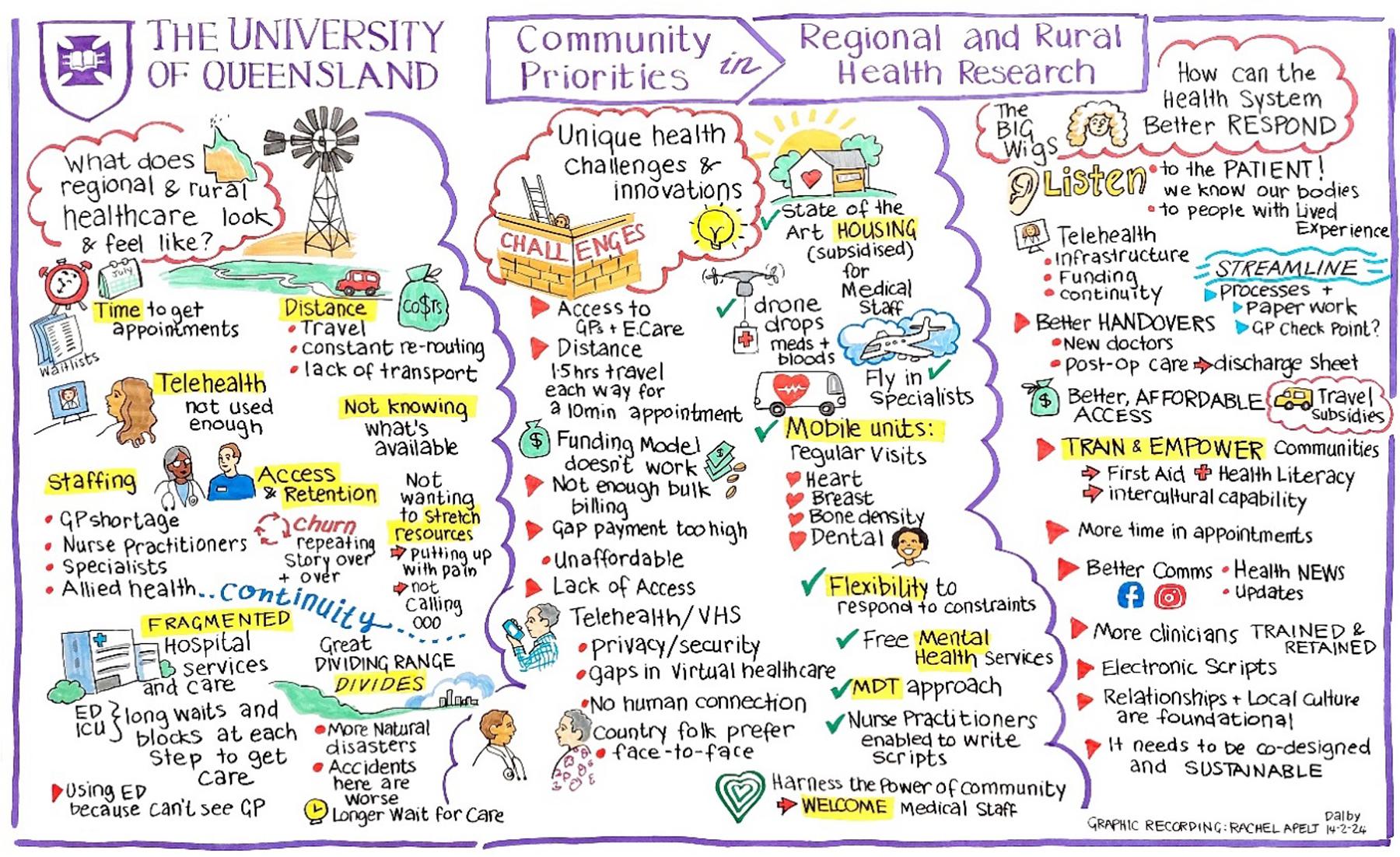 Figure 1: Graphic recording of the three World Café roundtable small group discussions, by Rachel Apelt.
Harvest of ideas whole group discussion: The next target for rural health research
Attendees felt upcoming research in rural health should focus on developing holistic and accessible healthcare services that retain local GPs and address the reactive nature of post-COVID health care. One target area of research suggested for rural health care included implementing and evaluating a ‘super telehealth clinic’ to remove barriers, ensure continuity and access to care, with regular GPs and health professionals readily available, and clear safety parameters. Emphasis should be placed on improving telehealth experiences, enhancing preventative health education, and promoting better patient-centred care. People want to be in control of their own care, have their voices heard, and have choice of when they access care (eg get appointments when needed) and a choice of who has input into that care (eg multidisciplinary team input). Care should also be more compassionate and holistic, acknowledging the complexity of end-of-life processes, integrating mental with physical health and financial counselling. Improving support for community initiatives (eg teaching health literacy and health advocacy in schools, online yoga classes) was also emphasised. Additionally, the funding model should distribute GP responsibilities (eg patient navigator, nurse prescription service) to adapt to rural needs, mapping available services to maximise resources and avoid duplication.
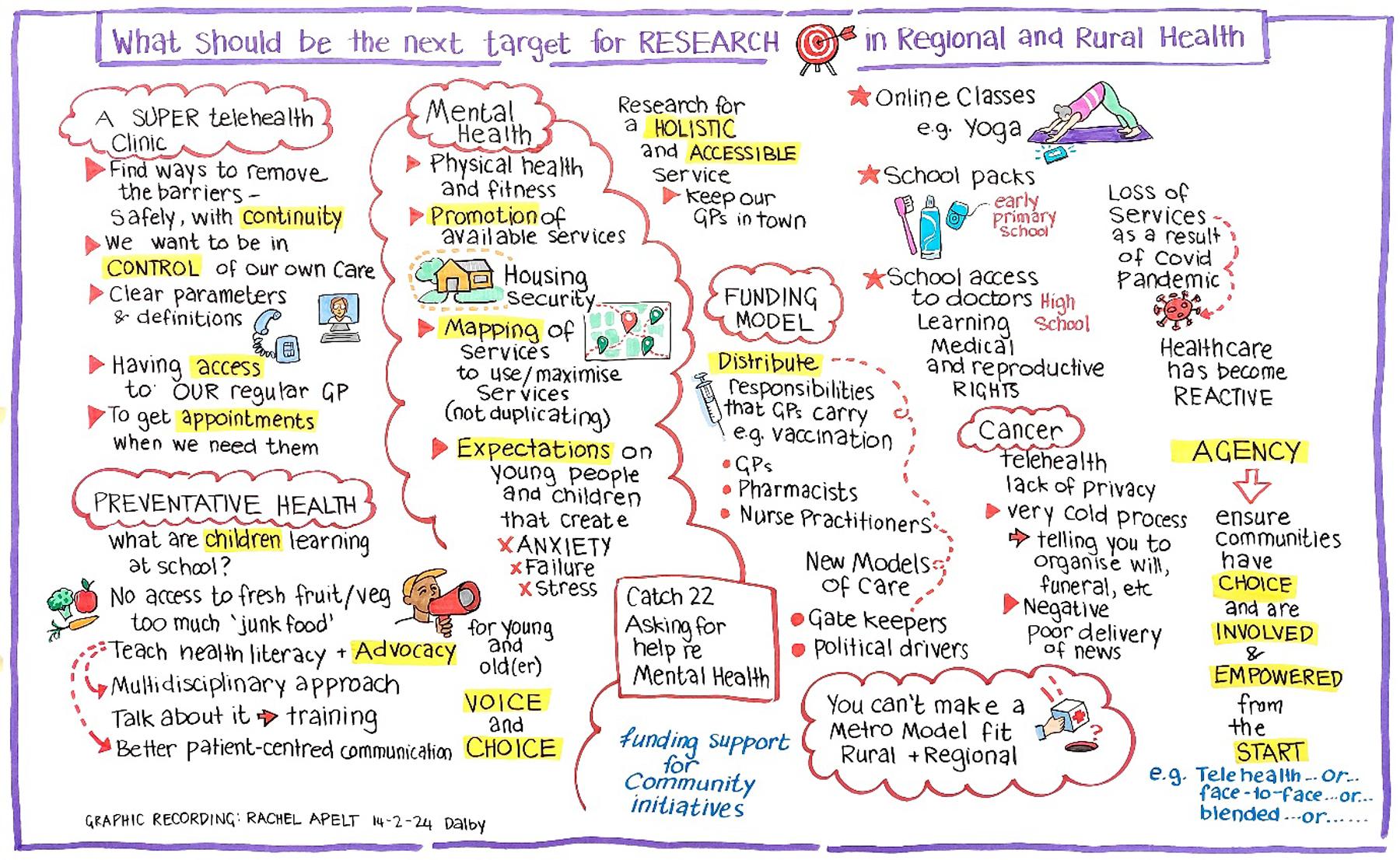 Figure 2: Graphic recording of World Café roundtable whole group discussion (harvest) by Rachel Apelt.
Priority-setting exercise
From the graphic representation of the whole group discussion (Fig2) and researchers’ notes taken during the harvest of ideas discussion, a list of 17 priorities was compiled and emailed to consumers in the follow-up survey. Consumers then selected and ranked their three most important priorities based on personal preference; three consumers voted for their 10, 13 and 14 top priorities (Table 2).
Written feedback given about the top three priorities reinforced the urge to avoid unnecessary long travel and wait times, the unacceptability of turning patients away due to lack of appointments, and the need to attract and retain GPs in rural areas, ensuring continuity of care. It also pointed to the need to educate consumers about their healthcare rights and services to improve support in rural areas.
Table 2: Consumer priorities for the next target of rural health research, listed in descending order of total number of votes
| Number | Priority | Total votes |
|---|---|---|
| 1 | Attracting and keeping GPs in rural towns | 7 |
| 2 | Expanding the care provided by community-based healthcare professionals other than doctors (eg pharmacists, nurse practitioners, midwives) | 7 |
| 3 | Increasing awareness of health and wellbeing services available locally | 7 |
| 4 | Options to proactively manage chronic disease, including remote monitoring | 6 |
| 5 | Programs to address the connection between health and hardship, such as housing and money worries | 6 |
| 6 | Improving access to mental health services (addressing GP gatekeeping) | 4 |
| 7 | Improving telehealth services to support access and continuity | 4 |
| 8 | Improving patient-centred communication | 4 |
| 9 | Community driven, place-based programs to improve health and wellbeing of locals | 4 |
| 10 | Integration of telehealth with face-to-face health services | 4 |
| 11 | Bringing back health services that closed during COVID | 3 |
| 12 | Improving empathy and compassion, especially when delivering bad news by telehealth | 3 |
| 13 | Programs to improve access to fresh fruit and vegetables | 3 |
| 14 | Online health and wellbeing programs (eg yoga, community connection) | 2 |
| 15 | Programs to improve health literacy and self-advocacy skills in the community | 1 |
| 16 | Increase access of secondary school students to GPs | 1 |
| 17 | Impact of social pressures on children and young people, and its connection to mental health | 1 |
Pre- and post-event perception on consumer and community involvement analysis
Perceptions on consumer and community involvement survey responses for consumers pre-event (n=25) and post-event (n=12) and researchers pre-event (n=18) and post-event (n=10) are presented in Figure 3 and Figure 4, respectively. Survey responses showed the event has raised consumers’ awareness of their potential role in shaping health research but appeared to reduce their confidence to participate in projects of interest. Researchers reported greater awareness of consumer involvement across all phases of the research cycle and increased confidence to collaborate with consumers after the event.
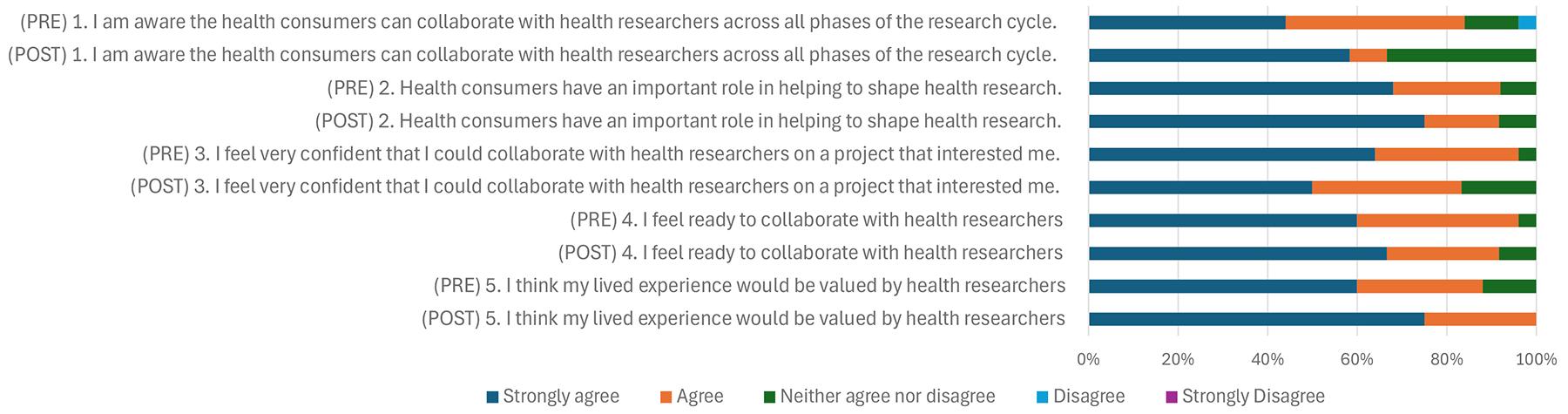 Figure 3: Comparison of consumer perceptions on consumer and community involvement pre-event (n=25) and post-event (n=12).
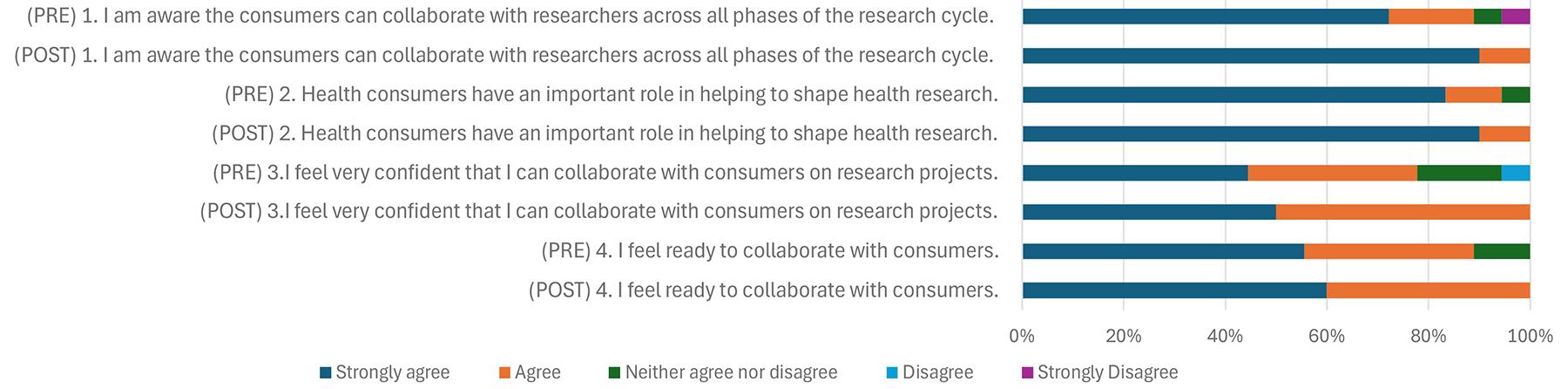 Figure 4: Comparison of researcher perceptions on consumer and community involvement pre-event (n=18) and post-event (n=10).
Discussion
This study identified health services research priorities from the perspectives of rural consumers and researchers in Australia, focusing on empowering local voices in shaping research and, possibly, service delivery. By employing the World Café method through a consumer roundtable event and pre- and post-event surveys, the study captured community-driven insights, solutions, and innovations. Key findings highlighted five pressing priorities: recruiting and retaining a rural health workforce, expanding multidisciplinary community-based care, increasing awareness of local services, enhancing chronic care management, and addressing social determinants of health such as housing and financial challenges. These priorities underscore the critical need for tailored, community-led interventions and enhanced collaboration between researchers, policymakers, and local communities to foster equitable healthcare services in rural areas.
Participants advocated for flexible, community-based healthcare models to alleviate barriers such as unreasonable wait times for GP services. The desired model should extend beyond traditional GP practices, incorporating expanded nursing roles, mapping local services to improve awareness and utilisation, and exploring alternative service delivery options, including telehealth and virtual health solutions. Rural communities such as the Dalby and surrounds community demonstrate a strong sense of collective pride and resilience, which can be leveraged to enhance local healthcare models. Effective communication and ongoing service mapping are essential to ensure existing healthcare resources are optimally utilised and consistently updated22.
Mapping local services not only enhances accessibility but also identifies gaps where new services can be introduced. Participants emphasised the need for healthcare models to prioritise quality and health outcomes over budget constraints. These findings align with existing literature, highlighting key opportunities to reshape rural spaces, promote justice, and reduce inequities, including (1) acknowledging the diversity within rural populations rather than applying a uniform approach; (2) leveraging local knowledge, community values, and independence; and (3) designing care models that address local needs rather than replicating metropolitan innovations23. These insights suggest a paternalistic health system, which assumes consumers will passively accept innovations to overcome geographical barriers24 and the tyranny of distance25, is no longer a viable approach.
International examples, such as Brazil's Family Health Strategy, illustrate effective community-based healthcare models. The strategy utilises multidisciplinary teams to map households and available services within designated territories, each team covering up to 150 families in rural areas. Community healthcare workers play a critical role in regularly engaging with residents, collecting health data, and disseminating information on available services. This structured approach facilitates dynamic territorial mapping, risk stratification, and resource allocation, leading to improved health outcomes, reduced hospitalisations, and enhanced equity in healthcare access26,27. Such a model demonstrates the value of embedding healthcare services within rural networks, tailoring care pathways to meet diverse needs.
Ensuring that all healthcare professionals are working to the full extent of their scope of practice is an ongoing policy initiative in Australia. In some cases, expanding their scope can also help address gaps in rural health care. For example, since mid-2025, registered nurses who complete accredited education programs have been authorised to prescribe Schedule 2, 3, 4, and 8 medications in collaboration with an authorised health practitioner28. This expansion is expected to help reduce wait times for GP appointments and improve medication access for chronic condition management in rural areas. Additionally, primary care nurse-led models supported by virtual care technologies have been shown to significantly reduce the need for rural residents to travel for medical care. A pilot study in Australia demonstrated nurse-led virtual care reduced the necessity of leaving the community by nearly 80%29. Such models have also improved hospital indicators, improved chronic disease management, and increased patient satisfaction30.
Australia has implemented several virtual healthcare solutions to support rural communities over recent decades31. However, the success and sustainability of these solutions rely on their potential to be flexible and adaptable to local needs31. The Virtual Rural Generalist Service in Western New South Wales is an example of adaptability, with potential for sustainable success. Using a hybrid 24/7 model that combines virtual and in-person consultations, this model enhances access to continuous and integrated primary care in rural areas32. By mapping healthcare needs and available services, the model addresses workforce shortages, optimises resource distribution, and reduces reliance on locum shifts, making care more cost effective than usual care33. Additionally, innovative models such as telemonitoring of chronic conditions have been co-developed with Aboriginal and Torres Strait Islander rural communities, allowing consumers to actively engage in their own health care, from design to use. This co-designed approach enhances accessibility and ownership of the model, providing real-time monitoring, and supporting patient empowerment and self-management34.
Another emerging solution that could potentially improve specialist access in rural areas without requiring travel and maintaining care coordination within the community is implementing electronic consultations. Evidence suggests primary care clinicians who seek specialist advice through a structured, standardised and electronic system can reduce referrals by over 30%, ensuring timely specialist input35, minimising treatment delays. This modality represents a cost-effective solution that enhances primary care capacity and addresses both workforce shortages and rural healthcare inequities35,36.
The retention of healthcare staff remains a significant challenge in rural areas. Participants in this study recognised the importance of having a stable, local workforce to ensure high-quality, continuous primary care. Effective retention strategies must be multifaceted, emphasising relationship-building, community integration, and workforce development4. Policy recommendations, such as those outlined in the Australian Government's Scope of Practice Review, highlight the need for targeted GP retention strategies that focus on strengthening education, recruitment, and support mechanisms37.
One approach that has demonstrated success is immersive student experiences, where trainee clinicians are placed in rural settings early in their education. These initiatives foster connections between future healthcare providers and rural communities, increasing the likelihood of long-term retention38. Globally, WHO has emphasised the importance of rural training programs, task-sharing, sustainable investment, and digital innovations in promoting equitable workforce distribution4. Addressing social determinants of health, such as improved living conditions, may further contribute to attracting and retaining healthcare professionals in rural areas39 in addition to addressing key priorities raised by participants of this study.
Another key finding from the consumer roundtable was the differing impact on researchers' and consumers' confidence in research collaboration. While researchers reported increased confidence in working with consumers, consumers felt less confident about engaging in projects that interested them. This decline may reflect uncertainty about their fit or relevance to the projects discussed, despite more consumers expressing readiness to collaborate. It may also highlight consumers’ growing awareness of research complexities and the need for upskilling to effectively advocate for their priorities. To support meaningful consumer involvement, capacity-building initiatives are essential, alongside genuine relationship-building and ongoing, open communication between consumers and researchers.
Strengths and limitations
The project benefited from a multidisciplinary leadership team comprising not only academics but also experienced consumer consultants and professionals in consumer engagement, enriching the planning and execution of the event. The participation of 20 local consumers from 43 who were interested represented a broad demographic spectrum and the willingness of locals to be involved in setting research priorities, ensuring the process was grounded in the local rural context. This event has led to several follow-up research projects in collaboration with local communities, grounded in identified priorities, although these outcomes were not formally measured.
The event was held in a large rural town to optimise attendance; however, this may have reduced participation of residents in smaller satellite towns due to travel time and costs. The provision of gift cards to offset out-of-pocket expenses was used to reduce this limitation. Despite efforts to maintain a 2 : 1 ratio of consumers to researchers, the final ratio was closer to 1 : 1, still a higher consumer representation compared to similar activities40. To encourage free and open participation, discussions were not audio-recorded; however, this resulted in limited use of direct quotes. Another limitation of the study is the restricted generalisability of the findings to other rural contexts, considering they are community-specific. However, similarities between the findings and other consumer activities documented in the literature, such as the priority to address the lack of GPs in rural areas41, provide some validation. Low representativeness of Aboriginal and Torres Strait Islander people in the event was also a limitation considering the high proportion of this group in rural areas12. Despite these challenges, the identified rural health issues aligned with existing literature and reports, indicating the consumer roundtable has captured relevant insights.
Lessons learned and recommendations
Considering this article reports on the second consumer roundtable event hosted by the University of Queensland Consumer Network (results of the first event were published elsewhere42, we have learned this consumer and community-centric model of research priority setting is transferrable to other settings and communities, such as rural health. The first roundtable event attempted to unite people on a pre-determined research interest, telehealth, whereas the second showed it is still effective when focusing on identifying community needs more generally.
The broad range of priorities ranked as important to consumers reinforces the need to capture and progress as many priorities as possible, while creating pathways for relationships seeded at the event to evolve into research projects. Progressing conversation to action, and maintaining and nurturing relationships with a community in the time and way that suits them, is not always achievable due to the slow, stop–start nature of research and limited funding dedicated to building genuine relationships in community.
The open-ended nature of discussion questions in this study led to broad, sometimes unfocused conversations, highlighting the need for more structured prompts in future initiatives aimed at gathering community insights. To enhance future research, incorporating methodologies that ensure ongoing consumer involvement beyond priority-setting, such as participatory design43, is recommended.
In future research priority-setting roundtables, greater investment is needed in structuring and framing the purpose and intended outcomes, particularly through the presentations and World Café questions, considering that in this instance the community spoke more about their health priorities rather than health research priorities. Narrowing down what we mean by research may also be beneficial. Being able to progress these unexpected outcomes beyond research – get them in front of the ‘bigwigs’ – becomes a responsibility of conducting these priority-setting activities. Researchers and community both need to be equipped to understand the pathways, purpose, and limitations of research, including pilot studies, implementation timelines, and translation into policy and practice. Rural consumers were eager to see change in how their community is cared for and resourced, whereas researchers seek to understand their needs and trial solutions. The missing link is being able to collaboratively trial solutions to address identified priorities and transfer effective and safe solutions with positive outcomes into recommendations for policymakers, funders, government, and health services as this seemed to be the community expectation.
Also, in comparison to the previous community roundtable event42, the disconnect between what was heard and what is testable and implementable in a research context to promote change was wider. The first event was conducted in a metropolitan area, with experienced consumer representatives on the focused topic of the event (telehealth), and those who attended had an established interest in the subject matter. When a more general community without much consumer representative experience participated in a similar event, there was a greater focus on personal experience, immediate needs, and solutions. While both produced valuable outcomes, perspectives, and experiences, the urgency of the communities’ needs in the second roundtable come with a greater responsibility for escalation and translation into action.
Based on our experience with this and similar events, we have outlined lessons learned as recommendations to assist other researchers, clinicians, and service providers working with rural communities and consumers in setting health services research priorities and discussing solutions.
- Invest in building and maintaining relationships between rural communities and researchers to support partnership in all stages of research, drawing on local knowledge and resilience to shape effective and sustainable healthcare solutions.
- Educate researchers about the value of consumer involvement and the importance to maintain genuine connections with the community to support their active involvement and leadership in health research. This approach ensures co-developed interventions to address real needs and are more likely to be implemented successfully.
- Use flexible, creative recruitment strategies. Leveraging multiple platforms (eg local radio, community noticeboards, social media, and telephone follow-up) and involving a well-connected local consumer to lead face-to-face promotion (eg distributing flyers, word-of-mouth invitations) can enable broader reach, especially for people without reliable internet or digital literacy.
- Enhance community voice and skill-building through partnerships with community representatives and champions to build trust and drive engagement. Involving consumers in leading or assisting parts of the research project (eg recruitment, data collection or analysis) is key to bridge the gap between researchers and rural communities.
- Provide pathways for skill building to strengthen research capacity, including understanding of the research frameworks and approaches to community needs, and how to progress priorities and partner with researchers across the research cycle. Offer follow-up training, mentorship, or peer support to build consumer research capacity and ensure sustained involvement beyond a one-off event. These actions are important because consumer confidence to participate meaningfully in research may initially decrease as awareness of the research process increases.
- Have structured, solution-focused prompts and use innovative participatory methods for gathering consumer and community input on potential solutions once local needs are identified and prioritised. Prioritise consumer choice by co-creating flexible, tailored, community-based models of care that improve access, optimise resources, and help address workforce shortages by expanding existing roles, creatively addressing gaps in rural health care.
- Understand the pathways to progressing priorities both within and outside of a research context, ensuring the community has a voice in investment and decisions into rural health resourcing, initiatives, and research. Empowering both researchers and consumers to progress and disseminate priorities after a roundtable event helps build trust and cultivate meaningful, lasting relationships.
Conclusion
This study identifies key consumer priorities in rural health research by using a consumer-centred approach, underscoring the value of promoting consumer involvement in shaping research and health care. Consumer involvement in setting the research agenda allows for a strategic, responsive and powerful method for future research that has the potential to positively impact policy and practice. Understanding consumer and community needs is the best way to initially address some of the challenges experienced by rural communities through developing sustainable, effective and co-designed practical solutions. Addressing workforce shortages, expanding existing roles, leveraging virtual care, and implementing flexible, community-driven models are crucial steps in improving rural healthcare delivery. Successful examples provide valuable insights into integrated approaches that could inform Australian rural health policies. Additionally, targeted workforce retention strategies and consumer-researcher collaboration initiatives can contribute to sustainable healthcare improvements.
Future research should explore long-term strategies to address these priorities and assess their impact on health outcomes in rural communities. And policy development can utilise these findings to tailor health service approaches in addressing rural health challenges, based on consumer co-designed recommendations.
References
You might also be interested in:
2019 - Outreach specialist's use of video consultations in rural Victoria: a cross-sectional survey