

 download PDF
Introduction
Much has been written about how students learn to become professionals, and develop their professional identity1-3. The context where learning occurs is always significant, as are the roles of teachers and supervisors4,5. Clinical placements are important opportunities for engaging students in reflective practice and the curriculum, and are often critical transformational learning opportunities. There is evidence that clinical placement experiences located in regional, rural and remote settings have significant impact on students’ personal meaning-making, professional growth, subsequent career choices, and recruitment and retention of medical workforce personnel6-11. In these contexts, First Nations concepts of wellness may simultaneously co-exist and/or conflict with Western medical choices. This presents ethical and medical dilemmas for students and supervisors, as First Nations patients tend to prioritise the wellbeing of the group, the family, community and culture, over the needs of individuals12. Western medicine, by contrast, generally prioritises individual needs. In this context, supervisors and students must therefore work to navigate and negotiate these differing worldviews, and construct ethical and value-driven professional pathways.
By developing greater insight into the role and perspectives of clinical supervisors, and the relationships that connect or disconnect them from the communities and cultures in which they work, we may learn more about the context that influences students as they develop professionally and personally in the Northern Territory (NT), Australia. To this end we sought the views of a group of experienced clinical supervisors of third- and fourth-year medical students in the NT. Here, population numbers are low and dispersed. The climate is harsh and distances vast. Resources may be limited, clinics are often isolated, and the disparity between the health of First Nations and non-Indigenous populations marked. Our qualitative study uncovered a rich picture of the key challenges and benefits of clinical placements in unique settings, and factors that impact student development and professional identity.
Background
Professionalism and professional identity are ‘mutually reinforcing’ (p. 3515) but separate constructs1 that are difficult to define13,14. Definitions need to reflect context, and individual, professional and institutional needs13,15. Students may describe professionalism as the cultural aspects of medicine – the attitudes, behaviours and communication skills of doctors16. Institutions and professional bodies traditionally emphasise a set of core competencies, expectations, skills and values as professionalism13,17. For example, relevant documents at Flinders University include elements such as ethical conduct, patient-centred care, respect in all relationships and communications, cultural safety and competency, leadership and compassion17. Research argues that the subjectivity of the concepts be stressed, and that methods for developing and assessing each student’s unique professional identity be implemented2,3. This means professional identity formation should not merely be an aspirational goal2. Rabow et al describe professional identity as ‘the moral and professional development of students, the integration of their individual maturation with growth in clinical competency, and their ability to stay true to values which are both personal, and core values to the profession’ (p. 311)18. Additionally, like Cruess et al2, we argue for the ontological importance of ‘being’ a professional, one who not only ‘does’ but ‘is’ wholly a professional.
Key studies of teaching and learning approaches for the development of professionalism and professional identity formation1,19,20, and the Medical Deans of Australia and New Zealand et al13, emphasise the need to explicitly teach these crucial components of the curriculum. This means greater transparency regarding curricular goals, expectations and decisions around clinical placements and learning priorities13, so that professionalism and professional identity development do not simply emerge from the ‘hidden curriculum’. The hidden curriculum (to use the umbrella term)3,21-26, is the tacit and informal ways that knowledge and behaviour are constructed, and is argued to contribute to professional identity formation1,3,26. Hidden curricula may impact learning and meaning-making positively and/or negatively3, and even where similar formal medical curricula are implemented, it varies among and across cultures, locations and contexts16,26. While institutions strive to make curricula for clinical placements as overt as possible, aspects of the curriculum (to use this term in its broadest sense) may nonetheless remain, or at least at first appear to be, tacit.
Supervisors have a crucial role as role models and mentors in supporting students along the path towards medical professionalism and professional identity4,5,11,27. Importantly, what each supervisor and student brings to the supervision experience is unique, and will be impacted by sociocultural dimensions28. This includes the learning context, relationships and expectations of healthcare professionals and community members, and institutional and individual educational goals for the placement. So discussions about the purpose of supervision between supervisor and student5, and the quality of that relationship4, are critical. Dispositions, values, beliefs, cultural and educational background, country of origin, gender, age, prior work experience, political and economic circumstances all contribute layers of meaning to the experience. Also biases, positive and negative, that impact learning and health care will arise from the social identities held by students and clinicians, in other words the groups with which individuals identify29, be they medical, social and/or otherwise. Further, if we regard culture as the customs, beliefs, values, conventions and practices of a group, then notions of wellness brought to the context will differ and be uniquely culturally bound and constructed12,30. In highly transformative learning contexts31, as found in this research, where circumstances can be demanding and overwhelming, learners may, either subconsciously or consciously, become destabilised, defensive and/or resistant32. ‘Disorientating dilemmas’ may arise33,34, and core assumptions, values and knowledge will be challenged.
Methods
A qualitative informed grounded theory approach35 was implemented for the design and analysis of the research. Following grounded theory principles36, we aimed to create a rich picture of supervisors’ views and observations about the context of students’ development as medical professionals. For the purposes of this article we were concerned with supervision in its supportive and facilitative role, rather than with the formal assessment aspects of the role.
In keeping with a social constructivist epistemology, we acknowledge the influence of our backgrounds on the research, embedded as we are in our own ‘historical, ideological and socio-cultural contexts’ (p. 249)35. Both authors have lived in the region of northern Australia to which the study relates, and one still resides there.
Our research questions for this study were:
- What are clinical supervisors’ perceptions regarding professionalism, and how students learn to be professionals, in remote, rural and regional clinical settings?
- How do clinical supervisors of third- and fourth-year medical students support students’ acquisition of professionalism and professional identity in remote and regional settings?
Setting
The context for the research was the NT, where rural, regional and remote clinical settings are acknowledged to be within complex socioeconomic, cultural, political, geographic and climatic environments. The population is often sparsely settled and geographically remote, culturally and linguistically diverse, with a relatively high proportion of First Nations people (26.3%)37. Medical clinics often operate in isolated communities and townships, where transport and communications can be unreliable, the climate is either tropical or arid, and socioeconomic disadvantage is common. There are persistent workforce shortages in the health professions.
The Flinders University Northern Territory Medical Program offers clinical placements in primary, secondary and tertiary care settings, ranging from 4 to 40 weeks. Placements in remote and rural community settings are longitudinal, and of 20 weeks’ duration. The curriculum, while based on Western medical practice, is approached through the lens of the local population. Two thirds of students are admitted as postgraduates, and one third enter through undergraduate pathways. An Indigenous entry pathway promotes First Nations students, who are admitted via either pathway, and residents of the NT are selected as a priority. The course aims to provide students with a variety of clinical experiences in authentic, work-integrated learning settings, with an emphasis on the 'whole person' and the 'whole professional'. All students have placements within an Aboriginal Community Controlled Health Organisation and the opportunity to learn with Aboriginal Health Practitioners and broader health teams.
Participants, recruitment and analysis
In a purposive sample, seven experienced supervisors from rural and regional clinics and hospitals in the NT were invited to participate in the research. Selection was based on their experience supervising third- and/or fourth-year postgraduate medical students, as practitioners with three or more years’ experience of supervision in the region. Participants were welcomed from any specialty or generalist discipline, in general practice or a hospital setting. They were selected to represent variation within the sample, particularly regarding cultural background, medical education, professional experience, age, gender and location of practice. Four participants combined practice in a large regional city with remote and rural responsibilities, and three participants practised between very remote community clinics and a small regional centre.
Participants were interviewed over the phone by an off-campus, interstate researcher who was not involved in the teaching program. The 30–45-minute interviews were audio-recorded and transcribed, then analysed using constant comparative grounded theory methods36, across datasets and categories. The analysis was informed by reference to existing literature in accordance with informed grounded theory methodology. With the aid of NVivo v14 (Lumivero; https://lumivero.com/products/nvivo), the interviews were systematically analysed via open coding on an incident-to-incident basis, focused coding and theoretical coding, and summary case studies of each interview were created. Coding was iteratively reviewed and discussed by the researchers, and memos and concept maps were constructed to aid theory development.
Ethics approval
Ethics approval was granted by Flinders University for the research (approval no. 4460).
Results
Demographics
Seven supervisors were interviewed: 3 male and 4 female. Participants’ experience as medical practitioners ranged from 13 to 45 years, and experience supervising medical students ranged from 2 to 40 years. Time working in the NT ranged from 6 to 33 years. The participant who had spent only 2 years directly supervising students had been a supervisor of GP trainees for more than 6 years and was considered experienced in supervision. Three of the participants were born overseas, and one was born in the NT. We were unable to interview a supervisor who identified as First Nations due to demands on their time. Participants’ specialisms included surgery, emergency medicine, infectious diseases, general medicine and general practice (Table 1). Some supervisors had primary healthcare experience in Aboriginal Community Controlled Health Services.
Table 1: Participant demographics
| Characteristic | Mean (range) |
|---|---|
| Time as medical practitioner (years) | 23.5 (13–45) |
| Time supervising students (years) | 16.1 (2–40) |
| Time working in Northern Territory (years) | 14.3 (6–33) |
| Number of students currently supervising | (1–4) |
Main themes
Three main themes emerged from the data (Fig1): bringing, recognising and evolving beliefs and values of supervisors and students; adapting to context – recognising and living in the region; and supporting supervisors and students – pathways and boundaries.
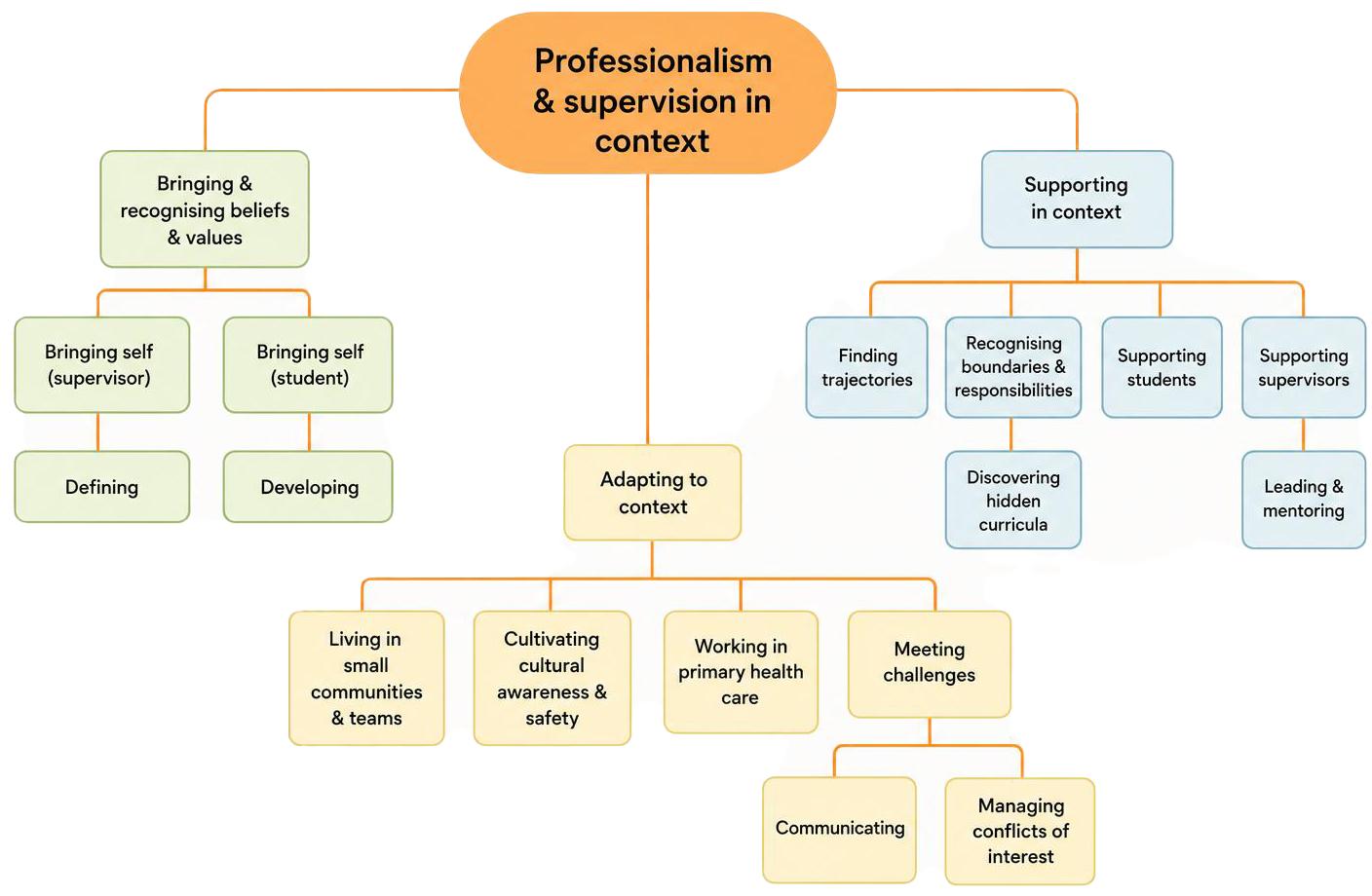 Figure 1: Main themes derived from the codes.
Bringing and recognising beliefs and values
We have a higher percentage of doctors who come from other countries, and so they're going to have a different perspective … I think that people here ... have a very deep commitment to the social justice issues that are going to come out in the way that they approach some of the medical treatment and pathways. (S5)
What supervisors bring to the context – definitions and concepts
Participants’ definitions and ideas reflected the Australian Medical Association definition of professionalism14, framed uniquely in participants’ own words and experiences. Responses clustered around relationships and responsibility; respect for patients and their communities, colleagues, team members and students; ethical and altruistic values (eg putting others first); and example setting (role modelling), accountability and medical competence. One supervisor (S1) described professionalism as ‘the means by which patients, and I guess colleagues, trust and respect your practice’. Another described it as ‘your values are your own internal values, but they are also shaped by the society and the professional body that you belong to’ (S5). With a focus on values and relationships, these definitions indicate a view of professionalism that exists in a social context, co-constructed by practitioners and others.
The supervisors communicated a deep understanding of professionalism in practice and context. Each exhibited a strong moral and social commitment to the profession, and a well-developed sense of professional identity. For students, this demonstration of foundation principles of respect, compassion, and culturally appropriate and ethical health care would present as positive role modelling. The purpose of supervision was not seen as a burden, but obligatory: ‘You should be training the next generation of doctors ... it’s part and parcel of your job’ (S1). All supervisors were clear that professionalism mattered, and should be explicitly taught, even though students might regard it as a low priority compared with biomedical curriculum requirements, especially if they were newer or younger students.
There's aspects of it that you can teach, and some that you can only really discuss. And then I think otherwise a lot of it’s to do with being an example of it in your own practice that people are seeing. (S1)
[But] when you’re younger, you often think they’re ‘soft skills’, or something not important. And as you get older, you realise they’re the most important skills of all ... you need both ... they’re all important skills. (S3)
Overall, their definitions emphasised the centrality of the patient and a way of being that recognised culturally respectful ethical and moral boundaries and responsibilities.
Definitely beliefs and values, and how you display them [matter], but equally how you respect other people’s beliefs and values, even if they potentially oppose or are very different to your own. (S1)
Differences of emphasis
All participants had experience as medical supervisors and practitioners in small remote communities, either in the study region or elsewhere. Where supervisors gave differential emphasis to issues relating to professionalism, this reflected variation in their cultural and educational backgrounds, dispositions, medical specialism and current workplace context, which might be a large regional city hospital, Aboriginal Community Controlled Health Organisation or GP clinic, a small rural hospital, or a remote community GP clinic. For example, regarding organisational norms and behaviours, and issues of hierarchy and teamwork, two supervisors currently working in the larger regional city hospital spoke of the need for students to retain respect for hierarchy and role assignment, as is required in a large organisation (S4, S6). Supervisors currently working in rural and remote contexts (S1, S2, S5) highlighted the value of one-on-one relationships that maximised learning opportunities in their context. Where patient and health professional numbers are low, it is appropriate to have a problem-based, less hierarchical approach to collaboration with supervisors and team members. In these small, interprofessional clinical teams, students are regularly granted considerable (supervised) autonomy, (S2) and can take advantage of ready access (proximity) to visiting specialists: ‘You're going to have a much closer relationship with your educator, because they're spending more time [with you]’ (S1).
Student to patient ratios are pretty high. You've got, sometimes, very complex patient interactions and exposures … you’re closer to all the members of the team in a way … You have more direct contact with consultants … the hierarchical nature of the team is different here. (S5)
The difficulties of managing work–life balance were recognised for their impact on student resilience, patient care and staff wellbeing. Some students might even share accommodation with their supervisors while on placement. While this less hierarchical pattern allows more time for knowledge sharing and debriefing, the flip side is that privacy and time for self-care can be limited and the boundary between professional and private life tenuous.
Conflicts of interest in a small town are constantly an issue … everyone knows everyone. You work, you take care of colleagues. That’s pretty challenging. (S1)
What students bring to the context
In terms of what students bring, supervisors conceded that not all differences can be generalised and accounted for by age, prior education or social background. For example, whether or not students have previously lived independently away from home, or the level of privilege or disadvantage from which they come (S2), may differently affect preparedness to learn in the new environment. Most of the students under supervision in the course are typically postgraduate, mature-age students in their mid-30s who, in other work contexts, might be senior colleagues in their profession (S5, S7). A range of student attitudes and approaches was acknowledged, and not all cohorts behave and think the same way (S2, S5 and S6). And while ‘most of them start off wanting to be professionals, and espousing professional concepts [such as] wanting to serve others’ (S3), attitudes and motivations change over time. A number of supervisors (S2, S3, S4, S7) noted a difference in the level of comfort and acceptance exhibited by some students in the current program who were required to complete a remote and/or rural clinical rotation as part of their degree, compared with past students who may have volunteered for a remote or rural placement as a professional choice. Further, supervisors pointed out that some students brought well-developed communication skills with them, learnt in previous occupations. For example, there were often opportunities to work alongside and learn from nursing staff with competent communication skills (S7). Supervisors were not the only mentors in these settings.
I would say the saints I saw were the nursing staff in the emergency department … they were incredible in their level of professionalism, and how to manage patients. (S7)
Adapting to context – living in regional, rural and remote settings
The difficulties of living in small close-knit communities were not downplayed by supervisors, nor were the extreme climate and remoteness, or lack of boundaries between work and personal life: ‘Up here it wouldn’t be possible to go through and not be challenged’ (S3). Personal activities could quickly become public knowledge. For example, a student becoming drunk in a public place out of work hours ended up as news of the day in the local paper and on social media. And in a small healthcare setting, privacy may be an issue where colleagues, students and supervisors provide medical care for each other. ‘[The] professionalism of treating somebody you know is another pressure that is more likely to be met up here than in a bigger place’ (S3).
Supervisors, themselves respectful of the local culture and protocols, recognised the deep culture shock students experience on placement: ‘Context always matters’ (S5). The need to prepare students and reflect with them, especially regarding the social determinants of health, racism, communication and systemic biases, was understood: ‘I don’t see how people live here!’ one astounded student said to their supervisor on arrival in a remote community. In response the supervisor said:
We talk a lot about that before we take people out ... it's a different way of seeing the world, and that makes us feel really uncomfortable. (S2)
I guess most doctors … come from a middle class, white background, and often when they’re going into medical school it’s the first time they’ve come across a lot of challenges around poverty and poor housing. And potentially even seeing how education, housing, all those things, interact to provide healthcare as well. So that could be pretty shocking. (S1)
Cultivating cultural awareness and cultural safety, and communicating in culturally appropriate ways, were central concerns of participants. Supervisors talked about the need for supervisors and students to connect and adapt to the context in which they work. Those who did benefited from the experience.
They [students] need to run their personal lives in keeping with the culture and mores of the society, the society or the culture they're working in. (S7)
We've got so much complexity in the NT and remote Australia with Indigenous patients. Questions of consent, questions around whether people even understand what is happening to them. (S5)
Western and First Nations concepts of wellness
Differing concepts of wellness were acknowledged to impact continuity and efficacy of care where Western and First Nations peoples’ views conflicted. For example, where a patient with a life-threatening condition left the hospital against medical advice, resulting in an adverse medical outcome, one student suffered considerable anxiety over the event (S3). To help students recognise medical paternalism, in response to a student saying that ‘This person needs to have this done’, a supervisor might respond, ‘Well, you know, everyone’s got a choice’ (S2).
The focus on primary health care raised issues of adapting to community-based medical care approaches instead of institutional and organisational norms of hospital-based care. Communication styles, systemic racism and a lack of advocacy for disempowered patients were also raised, as were assumptions about non-compliance (S1, S2, S3).
We all have ideas on how stuff is supposed to work. And when we see other people doing stuff, we think they’re doing it wrong. Actually, it’s a different way of seeing the world, and that makes us feel really uncomfortable. And so, you’re going to feel uncomfortable when you go out there. And that can lead to feeling like you need to lecture people about things. (S2)
Reframing perceptions
By helping students interrogate their evolving role in the healthcare system, as both advocates for change and being complicit in the status quo, supervisors challenged students to better observe events, reflect and accept feedback – even admitting to their own vulnerability and cultural privilege, uncomfortable and disorientating as that might be.
Trying to think about your own integrity, empathy – and thinking about systems, how to call them out if there’s significant issues ... and trying to show your own vulnerabilities when you talk about these things. (S3)
Despite the challenges, issues of communication, differences of cultural values and conflicts of interest, supervisors reflected positively on the value for students of learning so intensely in this immersive environment. They advocated for the exceptional experience of working in rural health.
I want to showcase what it’s like to work in a rural setting. And I’d like to encourage people to consider that as a career path as well. So we try and make sure that people enjoy themselves too. (S1)
This reframing of life in small rural communities and hospitals as enjoyable is significant.
Supporting students and supervisors – boundaries and pathways
This theme reflected supervisors’ perspectives about guiding students along the professional road, managing challenges, navigating boundaries, and finding supports and pathways.
Making sure that you're not overstepping boundaries … they're a lot greyer around here …You get people on a much deeper level, families on a much deeper level. You can find that you’re drawn into those scenarios a little bit more, and you need to have some ways in which to make sure that your self-care is also being taken care of, that you're not making yourself too vulnerable. (S1)
Feedback and reflective dialogue were valued as essential learning and teaching tools, as were making time with students and role modelling: ‘Role modelling is probably the strongest influence in adopting professional attitudes’ (S3). This includes listening to patients, learning from patients’ cultural experience and modelling from close interprofessional clinical workgroups.
Evolving goals, motivation and values
One of the profound changes that may impact students’ identity development was identified as the shift in motivation over time as medical professionals. This is not always acknowledged because of the discomfort it affords, and conflict between altruism and reality.
Most of them start off wanting to be professionals … wanting to serve others, and then, because there’s always other motivations for going into medicine, there’s the prestige and money, and even excitement, or the glamour of a medical life. And most won’t admit to that … but all those other things are real, especially if there’s a lot of family expectations to be a successful professional. (S3)
It’s a matter of reinforcing that good side of wanting to serve others … and giving them insight into how to balance that with a rewarding life – but where rewarding themselves doesn’t become the primary reason for practice. (S3)
Learning how to reconcile professional motivations with intended and unintended medical outcomes came through as a matter of values and priorities, and the questions supervisors asked students.
You just have to ask yourself, am I putting that patient’s interests first? Or society’s health interests first? Or myself? … Keep a clear direction for ethical and professional behaviour. (S3)
Conflicts of interest, and the difficulties of consistently maintaining professionalism, were acknowledged – in other words the ability to stay true to core personal and professional values18, and to be advocates for those whose health literacy and knowledge of Western medical systems may be limited.
It's hard to uphold it yourself even. I think they see what doctors do, and how they vary from day to day. And sometimes that’s a good thing as well, knowing that nobody’s able to be the perfect example. (S5)
Reflection on conflicts of interest pointed to possible layers of hidden curriculum, learning that oscillates above and below the surface – the ‘iceberg model’ (S4, S5) driven by inconsistencies that affect doctors’ health, such as ‘Do as I say, not as I do’ (S7), and ‘everybody around you is also doing it’ (S5).
They are seeing doctors and other health professionals regularly challenged by the situations that they’re in, and having to navigate things sometimes in ways that perhaps wouldn’t be done in other jurisdictions. And they’re learning that’s the hidden professionalism curriculum. (S5)
In terms of supports that supervisors themselves needed, they suggested that the providing institution ensure supervisors are consulted well in advance regarding their availability to supervise students (S6) while simultaneously carrying out their clinical duties; and that they be consulted and kept more informed about ‘the curriculum’ and expectations of the course (S2). One supervisor (S2) reiterated the need for anti-racism and anti-sexism to overtly be part of the curriculum, as these are the things ‘that cause the most unprofessional behaviour out remote’.
Discussion
Supervisors’ reflections on the challenges experienced in demanding medical and sociocultural circumstances illustrated the contextual pressures placed on relationships, professional values and assumptions, identity constructs and personal self-care. So how do students and supervisors retain their idealism and career aspirations in this context, and come to terms with the ‘challenging facts and scenarios that are very different from their own upbringing’ (S1)?
Supervisors offered a way forward based on their experience and familiarity with the study region. They emphasised the value of the work they and students carried out, and the unique lessons to be learnt about themselves and others by working in the region. This included:
- working closely with and observing others in small interprofessional teams with less hierarchy than might be experienced in larger hospital-based systems
- undertaking greater medical responsibility as carers in primary healthcare clinics compared with larger urban hospital settings
- determining the boundaries between private and professional responsibilities while located in small communities
- acquiring culturally appropriate communication skills that facilitate cross-cultural medical care
- acknowledging that Western models of health care based on individualism can, paradoxically, coexist and/or be incompatible with First Nations concepts of wellness.
Supervisors’ highly professional, compassionate and culturally respectful approach to health care represents a powerful model for students. Having lived and worked in the study region for some time – one supervisor was born in the NT – supervisors demonstrated a value-driven commitment to rural and remote medicine, practising in places where practitioners are most needed9,10. They gave significant emphasis to the sociocultural and contextual issues impacting the supervision process and student learning. This included:
- putting patients’ cultural and medical interests and choices first
- reframing conflicts of interest and evolving medical models in the light of Western and First Nations concepts of wellness
- re-examining personal and community constructs of culture
- accepting the discomfort of challenges to one’s personal and professional identity.
Hidden and overt curricula
Through discussion and reflection, uncovering layers of meaning, supervisors recognised their role in sensitising students to the stereotypes, biases, assumptions and multiple worldviews encountered. They worked to bridge the gap between formal and hidden curricula, encouraging critical thinking and self-knowledge. This included unpacking hidden biases such as systemic racism, the ongoing effects of colonisation, gender and cultural biases, and professional and interprofessional biases. The difficulty of transforming theory and knowledge into culturally and medically appropriate practice cannot be underestimated. As one supervisor (S5) said, professionalism can be defined by what is not happening, as well as what is happening.
Clinical placements expose students to curricula (overt and/or hidden) that have ‘emancipatory interests’38, where the curriculum leads to social change and empowerment. This emancipatory view of curricula was evident in our research, and could be seen as an important driver for change, influencing equitable healthcare outcomes. Curriculum can be understood as product focused (eg the structure and content of a unit or program of study) and/or process orientated39. This study indicated that supervisors often engaged in the professional curriculum as process, a ‘dynamic and interactive … shared process of change’ (p. 272)39, supporting pathways for transformational learning and acceptance of other worldviews. Figure 2 illustrates some of the factors affecting curriculum, supervision, professionalism and professional identity development in the context of this research.
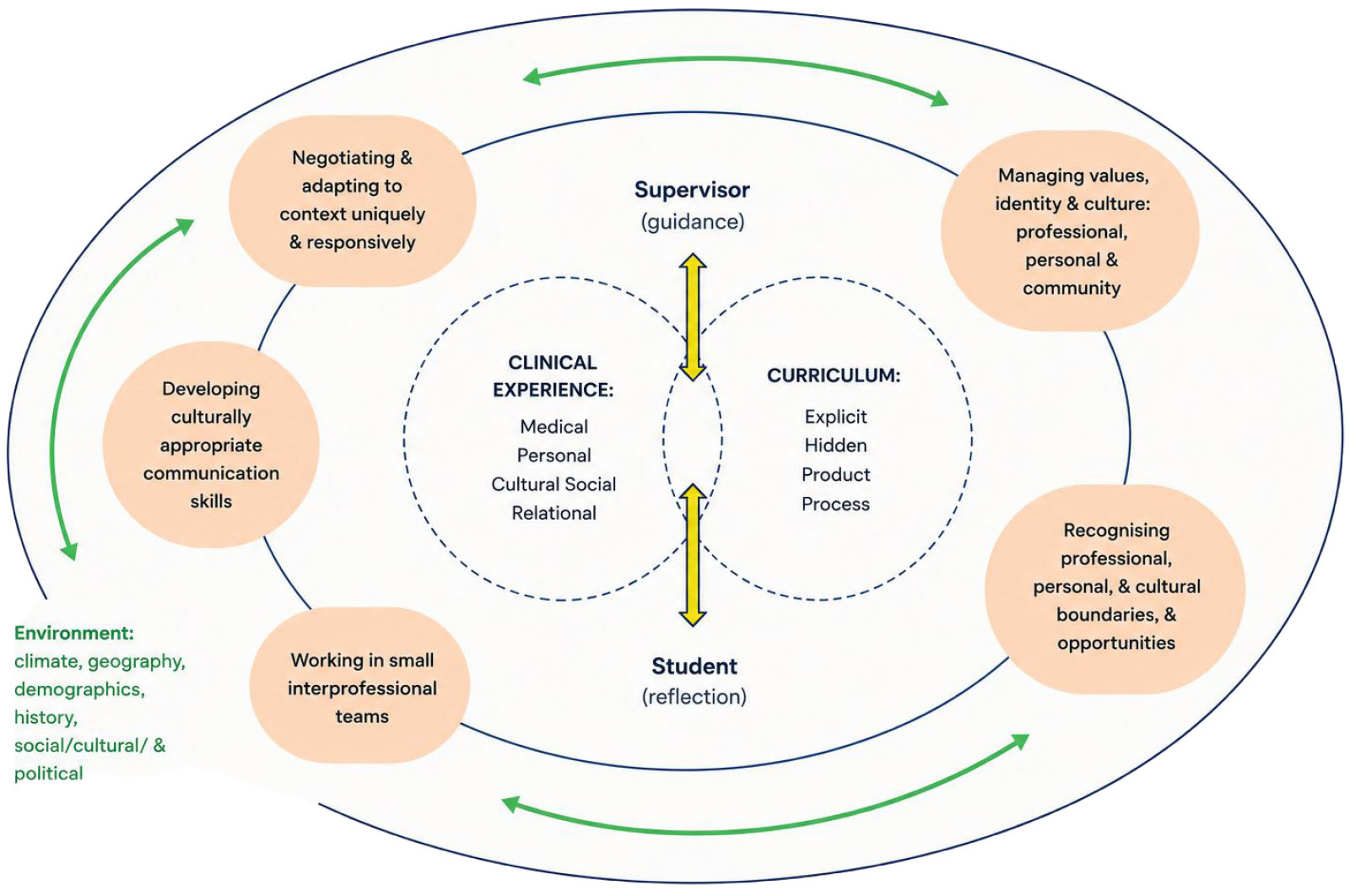 Figure 2: Clinical supervision in context – factors influencing professionalism and professional identity development in regional, rural and remote settings.
While the Medical Deans Australia and New Zealand et al argue for more explicit teaching of professionalism and professional identity, with less reliance on its emergence from the hidden curriculum13, this presents difficulties in practice. Our study suggests that experienced supervisors do aim to overtly support learning around this complex issue, but are aware that it is messy, uncertain and subjective. Their accounts suggest that it is probably not possible to ensure all professional learning and knowledge is made explicit, a viewpoint with which Cruess et al would agree40. Nonetheless, supervisors play a fundamental role in helping students learn to manage the hidden curriculum as it emerges in practice.
It appears that in this ‘little close petri dish’ (S2) in the NT, there are opportunities to do things differently, to advocate for others and positively lead healthcare change. There is scope for curricula to be re-interpreted and co-constructed via intentional and unintentional messages, by overt and tacit processes and communications. Supporting students via critical reflection and dialogue, focusing on values, communication and relationships, supervisors can aim to awaken students to the plethora of rural and remote contextual issues, and the co-constructed nature of the sociocultural dimensions of professionalism. Whether or not students’ expectations of the clinical experience align with documented university curricula and the actual and hidden curricula that emerge in practice remains a potential point of conflict of interest.
Limitations and further research
This investigation was limited in that it was context-specific, a small case study, and participants’ views were self-reported. Further research could be conducted in the same regional area with novice rather than experienced supervisors to compare viewpoints and issues.
Conclusion
The results of our interviews indicated that there will always be hidden curriculum areas, not immediately visible to the learner, which may be uncovered through experiential learning. As educators we strive for curriculum transparency, but it is not possible to acquaint students with all eventualities and cases: time is limited and the curriculum crowded. Developing effective doctor–patient relationships and empathetic care is complex in any setting. Supervisors highlighted the centrality of this relationship-focused curriculum in contrast to a medical model of curricula. In regional, rural and remote settings, the challenge of raising students’ awareness about systemic racism, and enabling cultural meaning-making and culturally appropriate communication patterns, is intense, perhaps more so than in other jurisdictions. There is a critical need to prepare students for disorientating dilemmas.
Understanding supervisors’ perspectives regarding professionalism, and student professional identity development, sheds light on the models they present to students. This impacts the culture of medicine in the region and, more widely, informs curriculum development. This includes the importance of teams for person- and community-centred health care, and approaches to diversity, equity and inclusion within healthcare systems. By investigating these perspectives we can better articulate what is often less well articulated in medical curricula. Supervisors assist student learning by helping to translating theory into practice, leading by example and mitigating cultural shock on placement. Potentially this leads to more compassionate and value-driven healthcare outcomes and, ultimately, positively impacts recruitment and retention of medical practitioners in the NT.
Acknowledgements
We would like to thank the supervisors who participated in this study and generously gave their time and insights for the research.
Funding
Funding for the research was provided by an internal education grant from Flinders University.
Conflicts of interest
The authors have no conflicts of interest to declare.
AI disclosure statement
AI was not used in any activity in the research or writing of this article.